Lucha Libre's Resurgence: El Grande Americano Triumphs at Triplemania
The vibrant world of lucha libre shines at WWE's Triplemania, where El Grande Americano, now played by Ludwig Kaiser, captures the AAA megachampionship. This event showcases the cultural significance of lucha libre in Mexico and highlights the deep connection between wrestlers and fans.
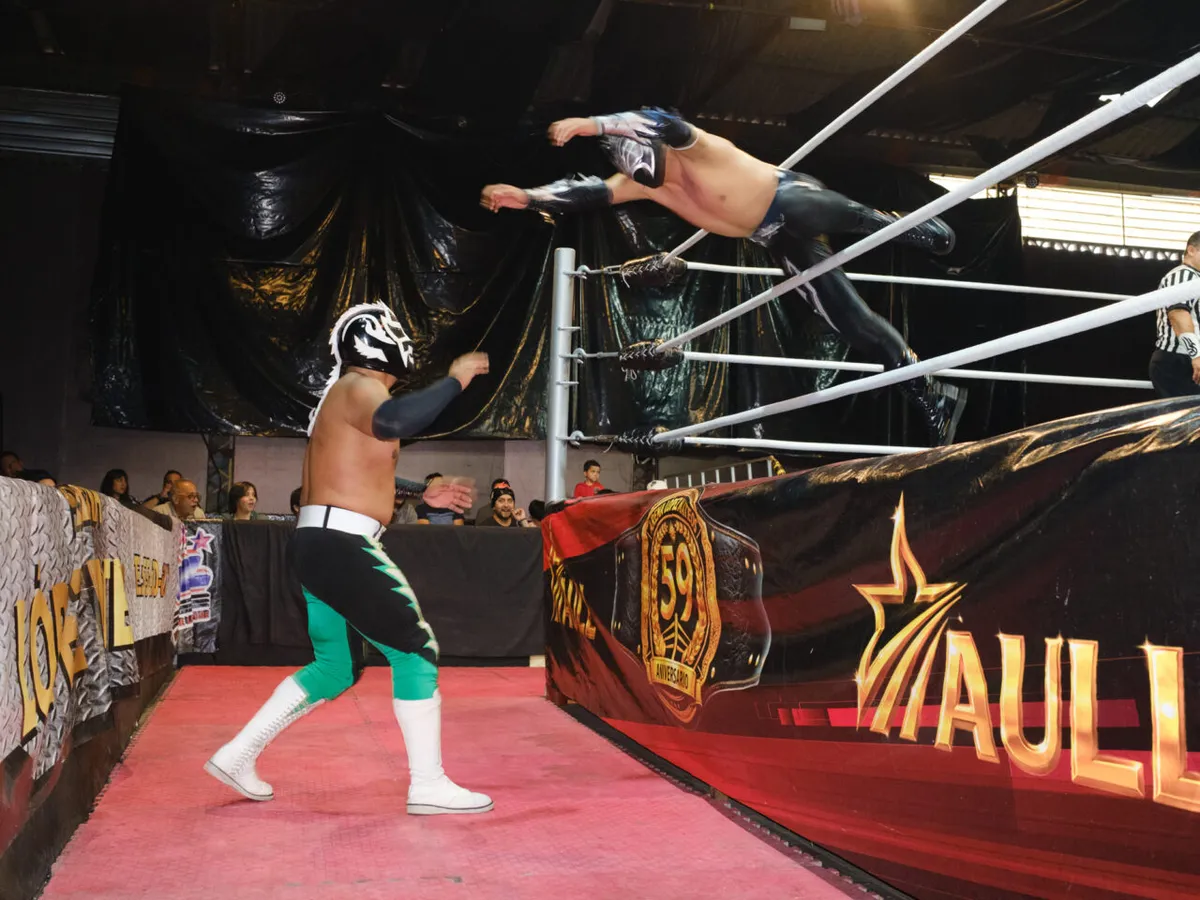
The electrifying atmosphere of lucha libre was on full display at WWE's Triplemania in Mexico City, where the crowd erupted as El Grande Americano claimed the AAA megachampionship. Previously portrayed as a caricatured American stereotype, the character has transformed under the portrayal of Ludwig Kaiser, who now embraces the rich heritage of lucha libre with authenticity. His victory over Dominik Mysterio not only marked a significant moment for Kaiser but also rekindled the deep cultural ties that this form of wrestling has with its audience.
As fans chanted 'Vamos Grande!' in anticipation, the event highlighted the evolution of a character that once drew jeers for its insensitivity. Kaiser's commitment to embodying the spirit of lucha libre—complete with fluency in Spanish, traditional costumes, and an appreciation for Mexican culture—has endeared him to fans, showcasing a profound shift that honors the legacy of this wrestling style.
The Cultural Tapestry of Lucha Libre
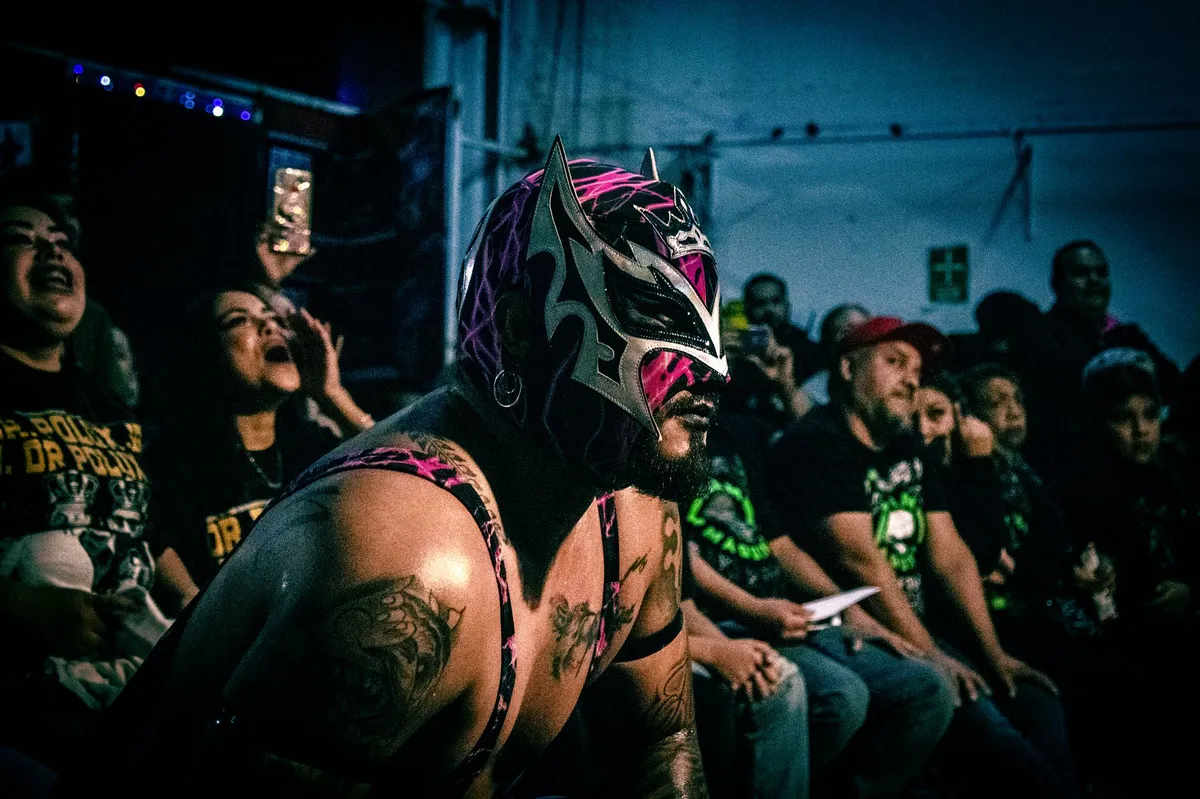
Lucha libre, or 'free wrestling,' is a significant aspect of Mexican culture that transcends mere entertainment. Its roots can be traced back to the early 20th century, where it emerged as a form of mass entertainment that resonated with the working class. Today, it is celebrated not just for its athleticism and storyline drama, but for its ability to evoke a sense of community and cultural pride among fans.
Generational Connections
As witnessed by attendees like Gerardo Garduño Rivas and his son, Santiago, lucha libre serves as a bridge between generations. Rivas, who has been a fan since childhood, emphasizes how the essence of lucha libre remains intact despite the changing landscape of professional wrestling. The camaraderie among families attending events speaks volumes about the emotional investment and cultural significance embedded in lucha libre.
The Role of the Audience
In lucha libre, fan participation is not merely encouraged; it is essential. The audience's reactions influence the atmosphere of the matches, as they engage in a dynamic exchange with the wrestlers. This relationship is particularly pronounced in local venues like Arena López Mateos, where the crowd's emotional investment can sway the narrative of the match.
Behind the Mask: Training and Licensing
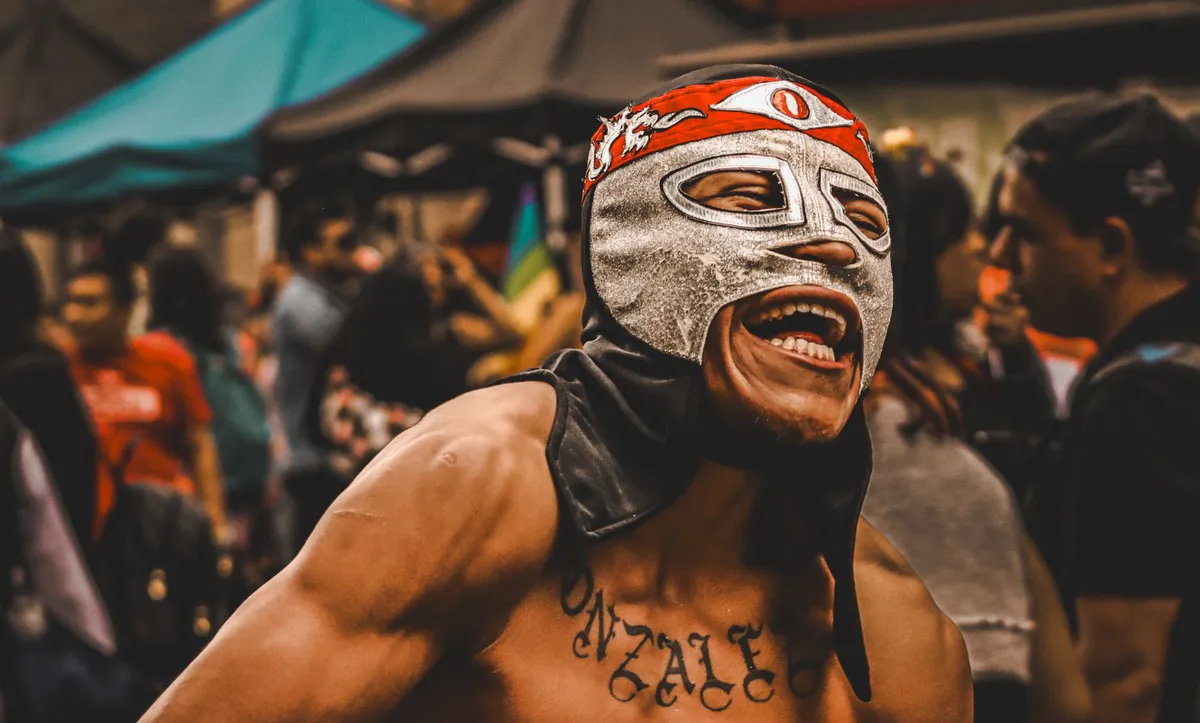
The journey to becoming a luchador is rigorous, requiring dedication and skill. Héctor Guzmán Jr., a promoter and owner of Arena López Mateos, explains the stringent requirements for aspiring wrestlers. Each luchador must complete a minimum of two years in an accredited training school, although four years is more common, and obtain a license recognized by the boxing and wrestling commission of their respective states.
This training is not just about physical prowess; it's about crafting a persona that resonates with audiences. Luchadores often adopt characters that amplify their personalities, whether as a heroic 'babyface' or a villainous 'heel.' This distinction is crucial in creating a narrative that captivates fans, allowing them to connect emotionally with the performers.
Character Development
Guzmán Jr. notes that successful luchadores must discover their own stardom through audience connection. The evolution of El Grande Americano is a prime example, showcasing how a character can shift from a one-dimensional portrayal to a multifaceted representation that embodies cultural pride and authenticity.
The Emotional Landscape of Lucha Libre
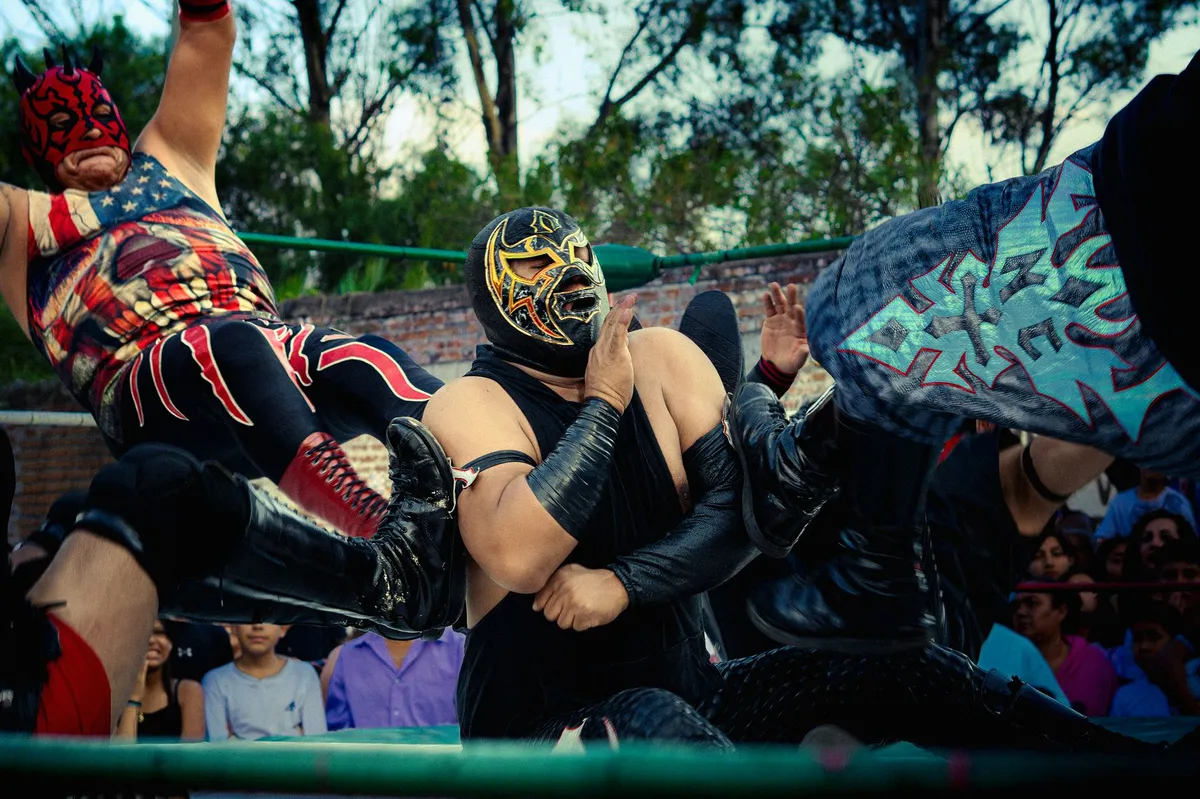
At the heart of lucha libre lies a complex emotional landscape. The experience is not just about athletic competition; it is a cathartic release for many fans. As Guzmán Jr. points out, the emotional turmoil that wrestling evokes—whether anger, joy, or sadness—provides an outlet for attendees to express their feelings in a socially acceptable manner. This emotional engagement is what keeps fans returning week after week, eager to release their pent-up emotions and enjoy the spectacle.
Community and Connection
For many, lucha libre events are not just a form of entertainment; they are a vital social experience. Attendees like Jorge Gael Valdeñana Jiménez and his friends emphasize the importance of participation, highlighting the communal aspect of cheering, shouting, and interacting with the wrestlers. This participatory culture fosters a sense of belonging, transforming spectators into active participants in the unfolding drama.
Family Traditions
For fans like Ximena Esquivel, lucha libre is a cherished family tradition that offers a chance to bond and unwind. The event allows for playful banter and social interaction, making it a unique experience that combines entertainment with familial connection. This aspect of lucha libre culture is what keeps its legacy alive, ensuring that each generation passes down the love for this vibrant spectacle.
Key Takeaways
- El Grande Americano's Victory: Ludwig Kaiser's win solidifies a new era for the character, embracing authentic cultural ties.
- Cultural Significance: Lucha libre serves as a cultural touchstone that fosters community and generational connections.
- Audience Engagement: Fan participation is crucial, enhancing the emotional experience of each event.
- Training and Licensing: Aspiring luchadores undergo rigorous training and licensing, ensuring high standards in the sport.
- Emotional Catharsis: Lucha libre events provide a unique outlet for emotional expression and community bonding.
Frequently Asked Questions
What is lucha libre?
Lucha libre, or 'free wrestling,' is a popular form of professional wrestling that originated in Mexico. It is characterized by its colorful masks, high-flying maneuvers, and dramatic storytelling. Lucha libre has deep cultural roots and is considered an essential aspect of Mexican heritage, celebrated for its theatricality and athleticism.
How do luchadores develop their characters?
Luchadores often develop their characters through extensive training and audience interaction. They typically adopt personas that resonate with fans, whether as heroes or villains, allowing them to connect emotionally with the audience. This character development is crucial for creating engaging storylines and memorable matches.
Why is audience participation important in lucha libre?
Audience participation is vital in lucha libre as it enhances the overall experience and creates a dynamic atmosphere. Fans engage with the wrestlers through cheers, jeers, and chants, influencing the match's narrative and adding to the emotional intensity of the event. This interactive element is what makes lucha libre unique and beloved by its fans.
What are the training requirements for aspiring luchadores?
Aspiring luchadores must complete a minimum of two years in an accredited training school, with four years being more common. Additionally, they must obtain a license recognized by the boxing and wrestling commission in their state. This training ensures that luchadores possess the necessary skills and knowledge to perform safely and effectively in the ring.
This article provides general information and is not legal advice.
Comments
Exploring Ayahuasca: Mental Health Impacts and User Experiences
A recent study suggests that experienced ayahuasca users report better mental health outcomes. This article delves into the findings, implications, and the cultural significance of ayahuasca in the realm of mental health.

Related articles




Popular in Personal Injury
- Hawaii Supreme Court Overturns 36-Year-Old Rape Conviction Due to Forensic Flaws
- The Impact of Pro Bono Work by BigLaw Firms in 2025
- Albertsons Faces Trial Over Role in Washington's Opioid Crisis
- The Hidden Dangers of Open Manholes in New York City
- Historic $81 Million Verdict in Utah Pedestrian Wrongful Death Case