Supreme Court Decision on Mail-In Voting: Implications for Future Elections
The Supreme Court's recent refusal to allow President Trump's mail-in voting restrictions highlights the ongoing tension surrounding election integrity and accessibility. This article explores the implications of the ruling for future elections and the broader legal landscape.
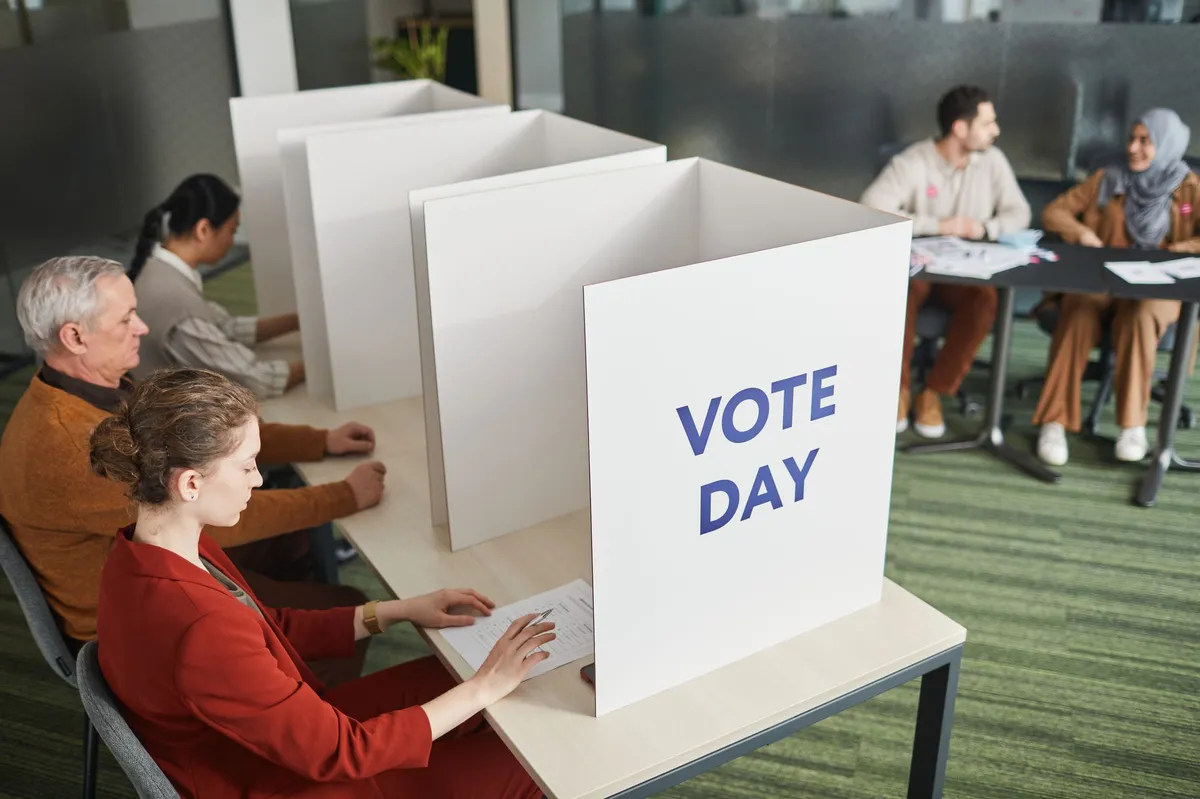
The Supreme Court's recent ruling to halt President Donald Trump's attempts to impose restrictions on mail-in voting has reignited debates about election integrity, accessibility, and the role of the federal government in local electoral processes. As we approach significant elections in the coming years, understanding the legal and practical ramifications of this decision is crucial for voters, state officials, and advocacy groups alike.
The ruling, which came just weeks ahead of the midterm elections, reflects the deep divisions within the court and the political landscape surrounding voting rights in the United States. By rejecting Trump’s request to lift a lower court injunction against the U.S. Postal Service's (USPS) voter verification plan, the Supreme Court underscored the precarious balance between protecting electoral integrity and ensuring voter access.
Background on Mail-In Voting Restrictions
President Trump has long championed a narrative that mail-in voting is rife with fraud, a claim that has been widely debunked by various studies and election experts. Nevertheless, he signed an executive order in April aimed at enforcing stricter mail-in voting regulations. This order proposed that the USPS create lists of eligible voters and only deliver mail ballots to those verified through a new online portal.
Under the “Ensuring Citizenship Verification and Integrity in Federal Elections” initiative, states would be required to implement new secure ballot envelopes with unique tracking barcodes. Failure to comply could result in withholding federal funds, creating a significant incentive for state and local governments to adopt these changes.
Legal Challenges and Responses
Democratic officials in 23 states and the District of Columbia quickly mobilized against this executive order, arguing that the proposed changes were not only unlawful but also practically unfeasible. They claimed that the expedited timeline required to implement the USPS's new rules posed a high risk of errors, which could lead to widespread disenfranchisement of voters. For instance, officials warned that the necessary adjustments to ballot designs and voter registration protocols could lead to chaos in the electoral process.
- Legal Basis of Opposition: The states argued that the order violated the Administrative Procedure Act due to its arbitrary nature.
- Practical Concerns: Officials expressed concerns about the feasibility of implementing changes in a compressed timeframe.
- Voter Disenfranchisement: There was a palpable fear that many eligible voters would be unable to cast their ballots under the new rules.

The Supreme Court's Ruling
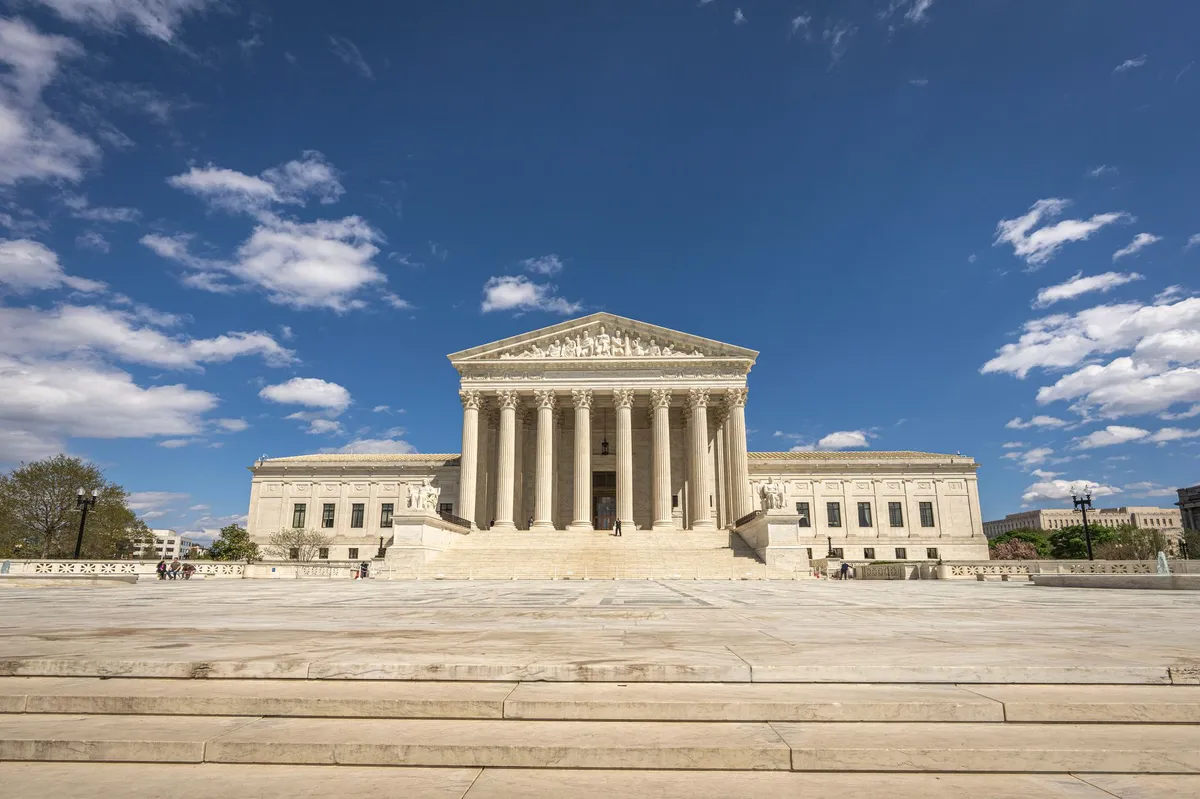
The Supreme Court's refusal to lift the lower court's injunction came as a significant victory for voting rights advocates. In an unsigned order, the justices indicated that the government was unlikely to prevail in its challenge against the injunction, emphasizing that equitable factors did not favor a stay of the lower court's ruling. Justices Samuel Alito and Clarence Thomas dissented, arguing that the government had a compelling interest in enforcing the new regulations.
Justice Alito's dissent highlighted the government's responsibility to ensure election integrity, asserting that implementing the new USPS rules could help detect potential fraud. However, he acknowledged the practical implications of enforcing such changes so close to the elections, illustrating the delicate balance the court had to consider.
Implications of the Ruling
The implications of this ruling extend beyond the immediate election cycle. By blocking the USPS's voter verification plan, the Supreme Court has reaffirmed the importance of accessibility in voting, particularly in a political climate where mail-in voting has become increasingly crucial due to public health concerns. This decision may set a precedent for future challenges to voting regulations, as it highlights the judiciary's role in protecting voter rights against potentially overreaching federal mandates.
Moreover, the ruling indicates a judicial reluctance to endorse sweeping changes to voting procedures without thorough consideration of their potential impact on voters. As seen in the dissenting opinions, there remains a significant divide within the court regarding the balance between election security and voter access, suggesting that future cases may continue to grapple with these complex issues.
Reactions from Advocacy Groups
The response from voting rights organizations was overwhelmingly positive, with many celebrating the Supreme Court's decision as a win for democracy. Celina Stewart, CEO of the League of Women Voters, emphasized that the USPS should not be tasked with rewriting election rules, arguing that voters should not be caught in the crossfire of political disputes. This sentiment reflects a broader concern among advocacy groups about the politicization of voting processes and the potential for voter suppression.
Furthermore, the ruling is seen as a critical affirmation of the principle that voting should be accessible to all citizens regardless of their circumstances. With logistical challenges and technological barriers already complicating the voting process, the court's decision may help alleviate some of the pressure on state officials tasked with administering elections.
Looking Ahead: The Future of Mail-In Voting
As we look toward future elections, the landscape of mail-in voting remains fraught with challenges and uncertainties. While the Supreme Court's ruling has temporarily halted the imposition of stricter mail-in voting regulations, it does not preclude future attempts to alter voting procedures at the federal level. States will continue to navigate the complexities of mail-in voting, balancing the need for security with the imperative of accessibility.
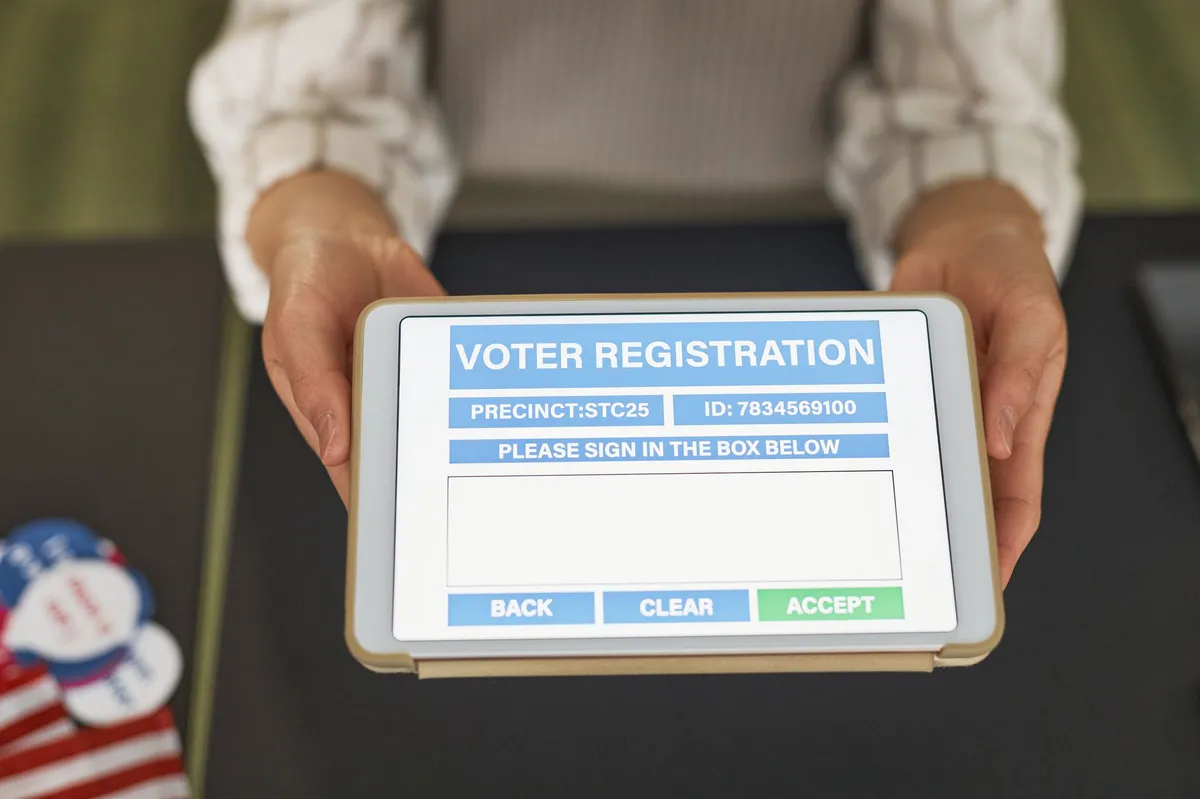
As technological advancements evolve, we may see further innovations in the voting process, such as enhanced online voter registration systems or improved ballot tracking technologies. However, these innovations must be implemented carefully to avoid creating new barriers for voters. The ruling serves as a reminder that any changes to voting procedures must prioritize the needs of voters and the integrity of the electoral process.
Key Takeaways
- The Supreme Court has halted Trump’s mail-in voting restrictions, emphasizing voter accessibility.
- Legal challenges highlight the complexities of balancing election security and voter rights.
- Future elections will continue to grapple with the implications of this ruling as states adapt their voting processes.
Frequently Asked Questions
What are the main implications of the Supreme Court's ruling on mail-in voting?
The Supreme Court's ruling reinforces the principle that voter access cannot be unduly restricted, especially so close to elections. It highlights the judiciary's critical role in safeguarding voting rights and suggests that any changes to mail-in voting procedures must undergo rigorous scrutiny to ensure they do not disenfranchise voters.
How does this ruling affect future voting regulations?
This ruling may set a precedent for future legal challenges against restrictive voting measures. It emphasizes the importance of ensuring that any changes to voting procedures are both legally sound and practically feasible, thereby influencing how state and federal officials approach voting regulations moving forward.
What should voters know about mail-in voting in upcoming elections?
Voters should remain informed about their state's mail-in voting procedures, including registration deadlines and ballot submission requirements. Advocacy groups will likely work to ensure that voting remains accessible and that any changes to procedures are communicated clearly to the public, which is crucial for ensuring voter participation.
Comments
Exploring Ayahuasca: Mental Health Impacts and User Experiences
A recent study suggests that experienced ayahuasca users report better mental health outcomes. This article delves into the findings, implications, and the cultural significance of ayahuasca in the realm of mental health.

Related articles



Popular in Personal Injury
- Hawaii Supreme Court Overturns 36-Year-Old Rape Conviction Due to Forensic Flaws
- The Impact of Pro Bono Work by BigLaw Firms in 2025
- Albertsons Faces Trial Over Role in Washington's Opioid Crisis
- The Hidden Dangers of Open Manholes in New York City
- Historic $81 Million Verdict in Utah Pedestrian Wrongful Death Case