Exploring AI Insights in 'The Prisoner': A Timeless Reflection
The classic series 'The Prisoner' offers profound insights into artificial intelligence and surveillance. This article delves into its relevance today.
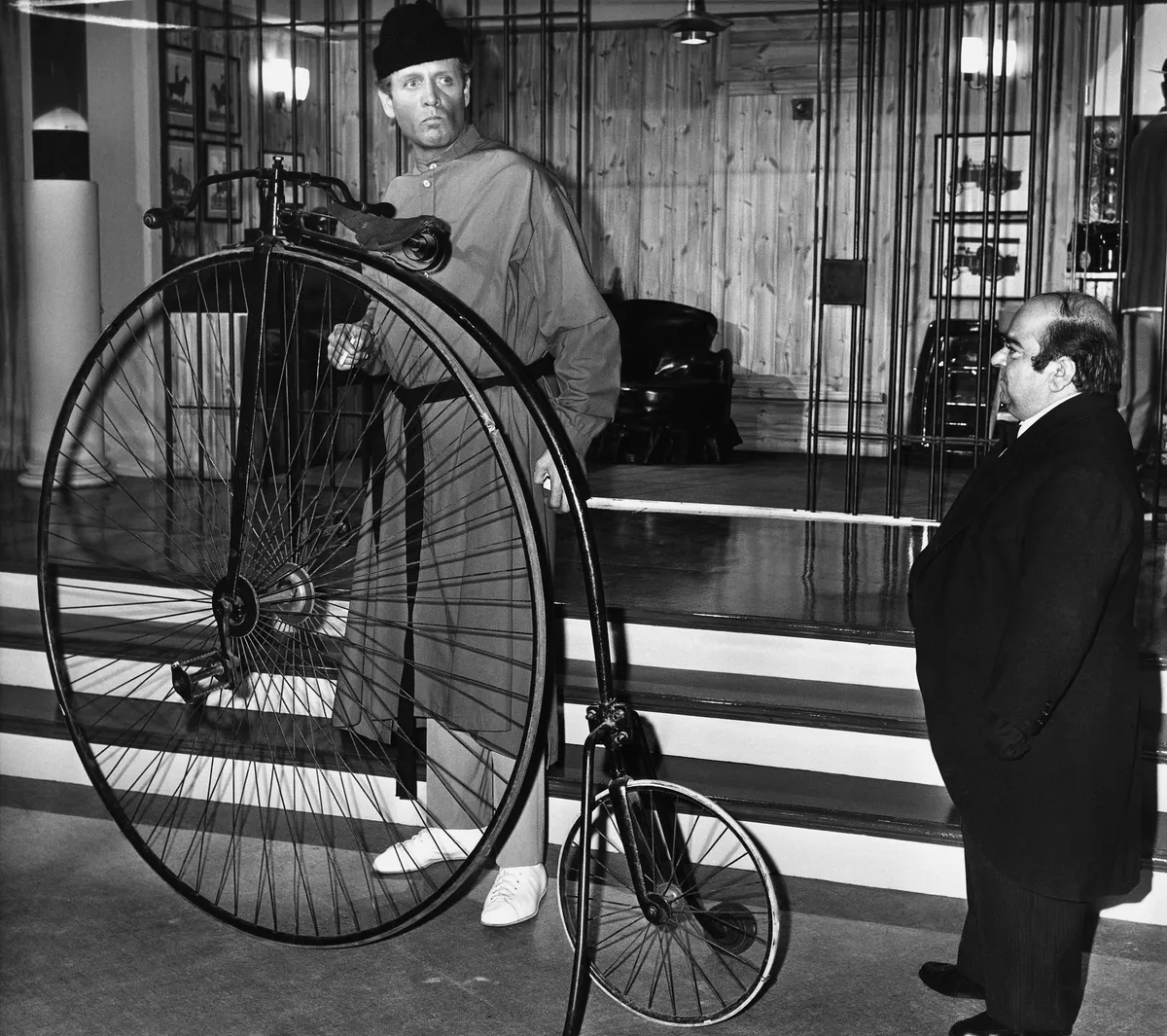
In a world increasingly dominated by artificial intelligence (AI), the themes presented in the 1960s television series 'The Prisoner' resonate with striking clarity. The show, which originally aired from 1967 to 1968, is a psychological thriller that explores concepts of identity, autonomy, and surveillance. As modern society grapples with the implications of AI on our lives, revisiting 'The Prisoner' reveals essential insights about the intersection of technology and human rights.
At its core, 'The Prisoner' tells the story of an unnamed secret agent, known only as Number Six, who is imprisoned in a mysterious coastal village after resigning from his job. The village is governed by the omnipresent and enigmatic Number Two, who employs a range of surveillance techniques and psychological manipulation to extract information from Number Six. Although created decades ago, the narrative's exploration of surveillance, control, and individual autonomy offers a prophetic glimpse into the challenges posed by modern AI technologies.
Thematic Parallels: Surveillance and Control
One of the most striking aspects of 'The Prisoner' is its portrayal of surveillance as a tool for control. In the series, the inhabitants of the village are monitored incessantly, with their every move scrutinized. This theme resonates deeply with contemporary concerns regarding AI and data privacy. Today, AI-driven technologies are capable of gathering vast amounts of personal data, often without the informed consent of individuals.
Modern Surveillance Techniques
Techniques employed in today's society echo the manipulative strategies seen in 'The Prisoner'. Here are some modern surveillance methods:
- Facial Recognition: AI systems can identify individuals in real-time using cameras, raising significant privacy concerns.
- Data Mining: Companies harvest personal information from social media and online activities, often leading to intrusive advertising and profiling.
- Predictive Policing: Law enforcement agencies utilize AI to predict criminal behavior based on data, which can perpetuate biases.

The Ethics of AI: Lessons from 'The Prisoner'
As AI continues to evolve, ethical considerations surrounding its use become increasingly critical. 'The Prisoner' highlights the moral dilemmas posed by technology when it is used for manipulation and control rather than empowerment. The series raises important questions: At what point does surveillance cross the line into infringement of personal freedoms? How do we ensure that AI serves humanity rather than subjugating it?
AI and Human Rights
The implications of AI on human rights are profound. Consider the following:
- Right to Privacy: The pervasive nature of surveillance technologies can infringe upon individuals' rights to privacy and autonomy.
- Bias and Discrimination: AI systems trained on biased data can perpetuate discrimination, affecting marginalized communities disproportionately.
- Transparency: The lack of transparency in AI algorithms can lead to a loss of accountability and justice.

Societal Impact: The Collective Consciousness
The impact of AI extends beyond individual privacy concerns; it shapes societal norms and collective consciousness. In 'The Prisoner', the villagers are subjected to a collective psychological manipulation that forces them into conformity. This portrayal serves as a metaphor for the ways in which AI can shape public opinion and behavior through algorithmic reinforcement.
Impact on Democracy
AI's ability to influence public discourse raises significant concerns for democratic societies. For instance:
- Echo Chambers: Algorithms can create echo chambers, reinforcing existing beliefs and limiting exposure to diverse viewpoints.
- Manipulation of Information: Misinformation campaigns can exploit AI to sway public opinion, undermining the integrity of democratic processes.
- Surveillance Capitalism: The commodification of personal data can lead to a new form of capitalism that prioritizes profit over individual rights.

Future Considerations: Navigating the AI Landscape
As we move further into the age of AI, it is imperative that we take lessons from 'The Prisoner' to inform our approach to technology. The series serves as a cautionary tale, urging society to remain vigilant against the potential for AI to infringe upon our freedoms and autonomy.
Creating Responsible AI
To navigate the AI landscape responsibly, stakeholders must:
- Implement Regulations: Establish clear regulations to govern the use of AI, ensuring that ethical standards are met.
- Promote Transparency: Advocate for transparency in AI algorithms to foster accountability and trust.
- Encourage Public Discourse: Foster discussions about the ethical use of AI, involving diverse voices and perspectives.

Key Takeaways
- The themes of surveillance and control in 'The Prisoner' resonate with current AI concerns.
- Ethical considerations surrounding AI are paramount to protect individual rights.
- AI has the potential to shape societal norms and influence public discourse.
- Responsibility in AI development and application is critical for preserving autonomy.
Frequently Asked Questions
What are the main themes of 'The Prisoner' related to AI?
'The Prisoner' primarily explores themes of surveillance, control, and the ethical implications of technology. These themes are increasingly relevant as modern society grapples with the pervasive nature of AI and its potential to infringe on personal freedoms.
How can we ensure ethical AI development?
Ensuring ethical AI development requires a multifaceted approach that includes implementing regulations, promoting transparency, and fostering public discourse. Stakeholders must engage in conversations about the ethical implications of AI, involving diverse perspectives to create responsible technology.
What implications does AI have for privacy rights?
AI technologies can significantly impact privacy rights by enabling extensive surveillance and data collection. As these technologies evolve, it is crucial to establish clear boundaries that protect individuals from unwarranted intrusions into their personal lives.
How does 'The Prisoner' inform our understanding of modern technology?
'The Prisoner' serves as a cautionary tale, urging society to be vigilant about the implications of technology on personal freedoms. Its exploration of surveillance and control can help guide contemporary discussions about the ethical use of AI and its impact on society.
Disclaimer: This content is general information and not legal advice.
Comments
Popular in Guides
- Lake Mead Reaches Historic Low: Understanding the Impacts of Water Scarcity
- Fires and Ferns: Understanding Ancient Europe's Climate Catastrophe
- Unveiling Hidden Stars: Astronomers Discover Four New White Dwarfs
- Understanding the Impact of Hawaii's Online Booking Fee Tax Ruling
- Navigating South Carolina Rental Property Law: A Comprehensive Guide