Nepal-China Floods: Ongoing Rescue Efforts Amid Rising Casualties
As rescue operations continue in Nepal and Tibet, nearly 3,000 individuals remain unaccounted for following catastrophic flash floods. Families are desperate for news as the death toll rises, highlighting the urgent need for effective disaster response.
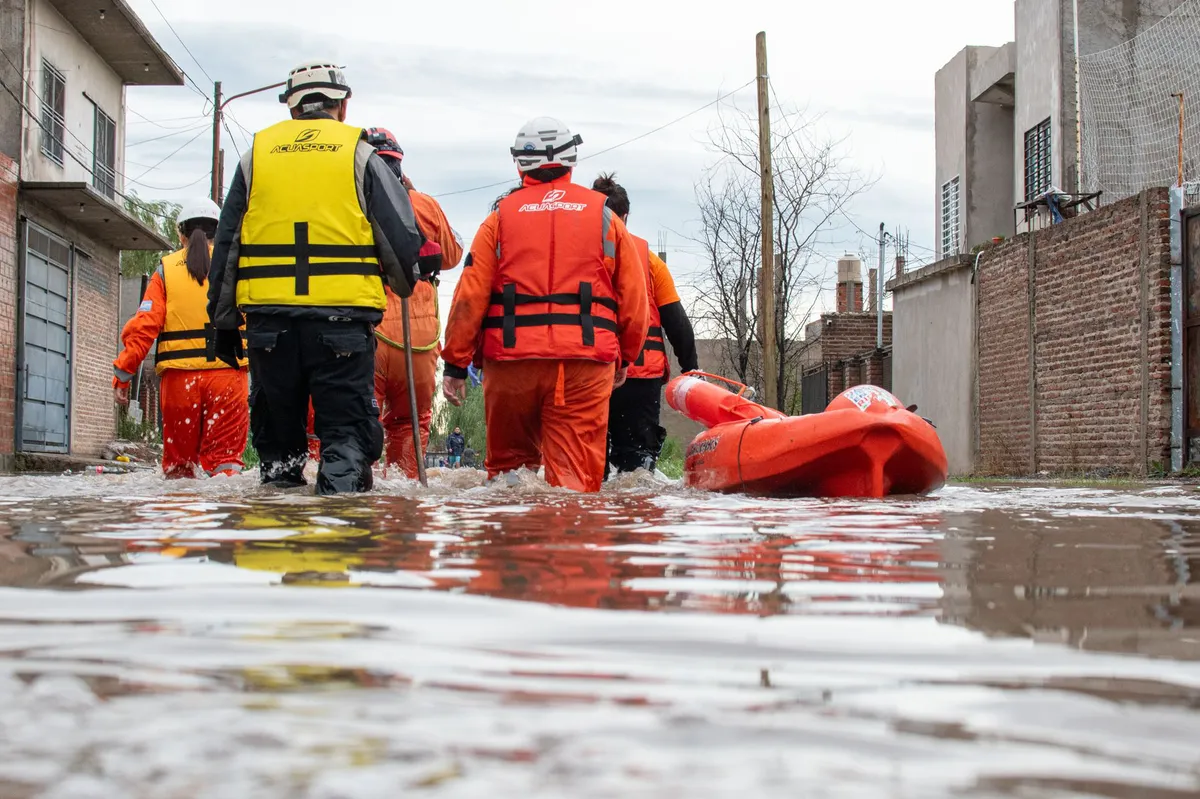
In the wake of catastrophic flash floods that have ravaged communities along the Nepal-China border, rescue operations have entered their fourth day, with authorities tirelessly working to locate survivors. As the situation evolves, families remain on edge, anxiously awaiting any news of their loved ones among the nearly 3,000 reported missing. The rising death toll, which currently stands at 676 across both Nepal and Tibet, underscores the dire consequences of this natural disaster and the urgent need for effective relief efforts.
Helicopters have been dispatching aid to affected areas, delivering essential supplies such as food, clothing, and medical assistance. Yet, the emotional toll on families searching for their missing relatives is palpable, as they navigate hospitals and relief centers in hopes of receiving any semblance of news. The scale of this disaster is staggering, raising critical questions about preparedness, response, and the long-term implications for the affected communities.
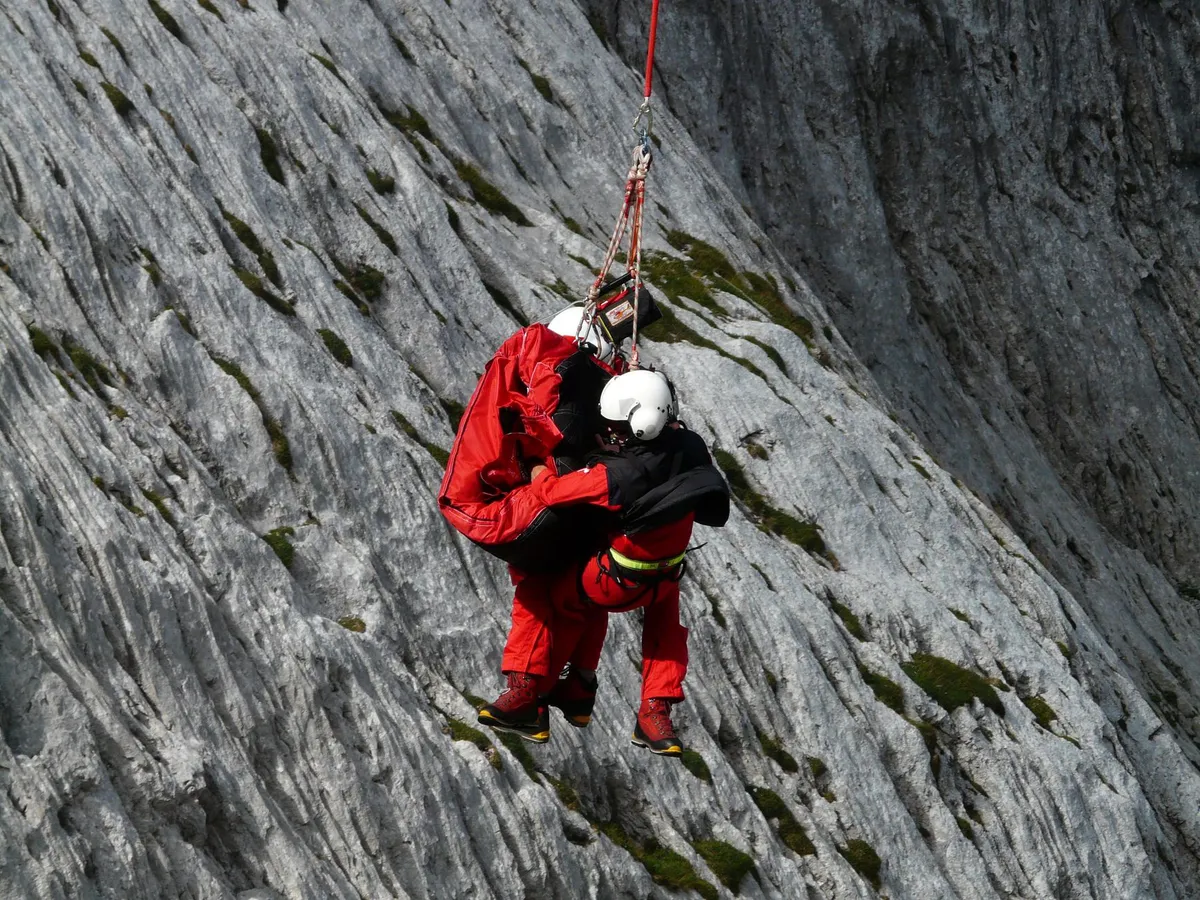
Rising Casualties and Ongoing Rescue Efforts
The combined toll from the floods has reached alarming numbers, with Nepal's disaster agency reporting 669 deaths and 2,426 individuals unaccounted for. In Tibet, Chinese authorities have reported seven fatalities and over 550 missing individuals. With more than 3,700 people rescued to date, the search efforts continue to expand, focusing on specific areas known to have been heavily impacted by the floods.
Challenges Faced by Rescuers
Rescue teams are confronted with significant challenges, including treacherous terrain characterized by steep mountains and narrow gorges, which complicate access to remote areas. The terrain is not only difficult to navigate but also poses risks for further landslides and flooding, making the efforts to locate survivors even more perilous. The Upper Trishuli-1 Hydropower Project in Nepal's Rasuwa district is a focal point, where authorities believe over 100 individuals may be trapped in a tunnel filled with thick mud.
Community Response and Personal Stories
As rescue efforts unfold, the emotional toll on families is becoming increasingly evident. In Kathmandu, relatives gather outside hospitals, desperately seeking information about their loved ones. Posters of missing individuals are plastered across the hospital walls, with families clinging to hope as they sift through lists of the deceased and missing. For many, the days spent waiting for news have turned into a harrowing ordeal marked by uncertainty and despair.
- Dil Maya Lama, who is searching for her brother, has expressed her anguish, stating, "There is no information about him. I came here with the hope that I might find him."
- Priti Kharel holds a poster with her brother's image, fearing he may be trapped in a construction site tunnel.
- Families have resorted to searching paper lists for any clue about their missing loved ones, hoping for a miracle.

Government and International Response
Nepal's Foreign Minister, Shisir Khanal, has emphasized the government's commitment to mobilizing all available resources for search and rescue operations. With support from international partners, Nepal is seeking specialized assistance in areas such as tunnel rescue, survivor detection technology, and forensic analysis. The government has already received significant relief supplies from neighboring countries, including over 57 metric tons from India, with additional aid arriving from Japan, Australia, and other nations.
International Aid and Support
The international community has stepped up to assist Nepal in this crisis. The deployment of specialized rescue teams, including an 11-member tunnel rescue reconnaissance team from India, reflects the collaborative effort to address the immediate needs of the affected population. As the situation unfolds, there is a growing recognition of the importance of both immediate relief and long-term recovery strategies for communities that have been devastated by such natural disasters.
Long-Term Implications and Future Preparedness
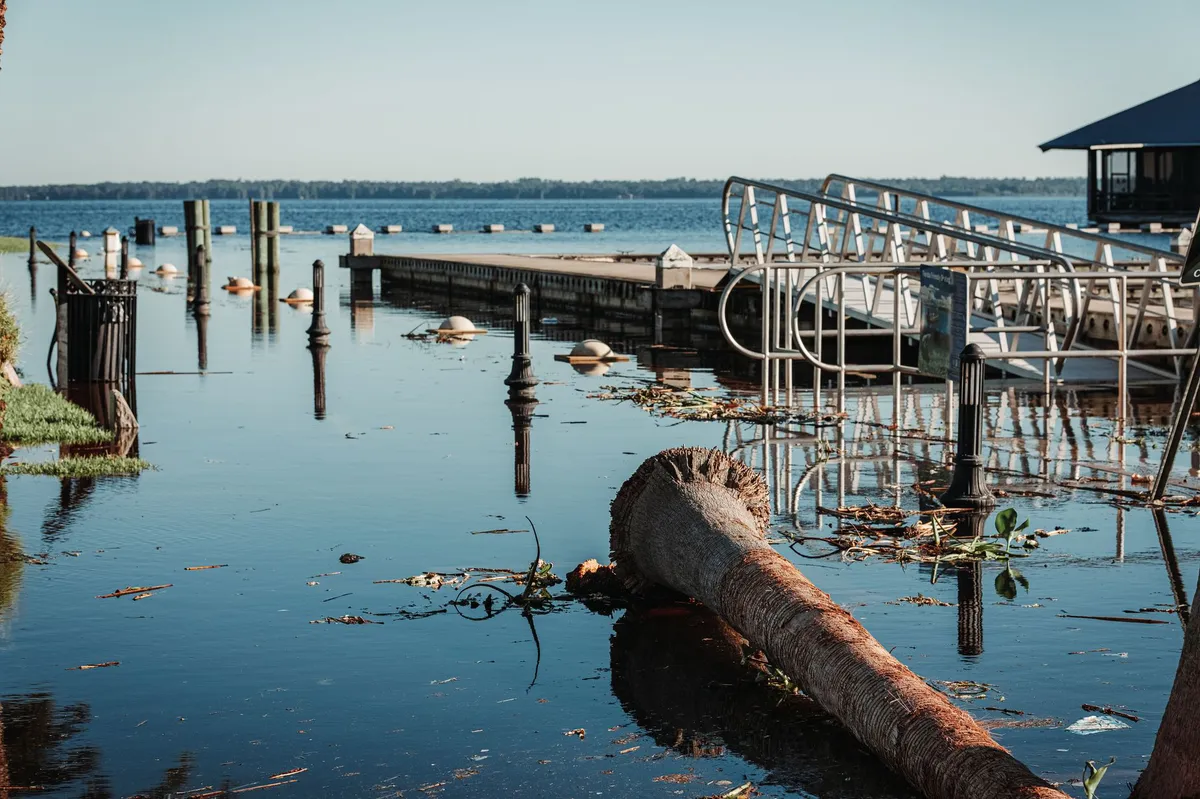
The catastrophic floods in Nepal and Tibet serve as a stark reminder of the vulnerabilities faced by communities in disaster-prone regions. As climate change intensifies weather patterns and increases the frequency of extreme weather events, the need for robust disaster preparedness and response mechanisms becomes even more critical. The lack of infrastructure to withstand such natural disasters exacerbates the impact on local populations.
In the aftermath of the floods, discussions around improving infrastructure, enhancing community resilience, and establishing effective early warning systems are essential. Policymakers must prioritize investments in disaster risk reduction and climate adaptation strategies to safeguard vulnerable communities from future catastrophes.
Key Takeaways
- The current death toll from the floods stands at 676, with nearly 3,000 individuals reported missing.
- Rescue operations face significant challenges due to difficult terrain and the risk of further flooding.
- Families of the missing are enduring emotional turmoil as they seek information and hope for their loved ones.
- International aid and support are crucial for effective disaster response and recovery efforts.
- Long-term preparedness and infrastructure improvements are necessary to mitigate future disaster impacts.
Frequently Asked Questions
What are the main causes of the recent floods in Nepal and Tibet?
The recent floods have been attributed to heavy rainfall and rapid snowmelt in the Himalayan region, exacerbated by climate change. The sudden influx of water overwhelmed rivers and drainage systems, leading to flash floods that devastated communities along the border.
How can individuals help those affected by the floods?
Individuals can support relief efforts by donating to reputable organizations that provide aid to affected communities. Contributions can help provide essential supplies such as food, water, medical assistance, and shelter for those displaced by the floods. Additionally, raising awareness about the situation can help mobilize further support.
What measures are being taken to prevent future disasters in Nepal?
In response to the floods, the Nepali government is focusing on improving disaster preparedness and resilience. This includes investing in infrastructure improvements, establishing early warning systems, and enhancing community training programs on disaster response. Collaboration with international partners is also crucial for implementing effective strategies.
What is the current status of the rescue operations?
Rescue operations are ongoing, with teams working in challenging conditions to locate missing individuals. Authorities have mobilized resources, including helicopters and specialized teams, to assist in the efforts. The situation is dynamic, and updates are provided regularly as new information emerges.
This content is for informational purposes only and does not constitute legal advice.
Comments
Popular in Guides
- Lake Mead Reaches Historic Low: Understanding the Impacts of Water Scarcity
- Fires and Ferns: Understanding Ancient Europe's Climate Catastrophe
- Unveiling Hidden Stars: Astronomers Discover Four New White Dwarfs
- Understanding the Impact of Hawaii's Online Booking Fee Tax Ruling
- Navigating South Carolina Rental Property Law: A Comprehensive Guide