Transforming Estate Planning: Insights from Professor Ray Madoff
Discover the innovative approaches to estate planning as Professor Ray Madoff shares his insights on the evolving landscape of inheritance and wealth distribution.
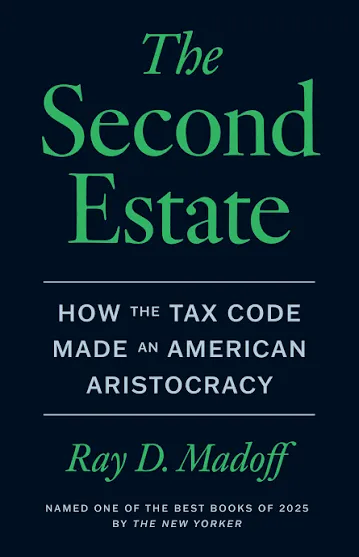
In a rapidly changing financial landscape, estate planning has become more critical than ever. The COVID-19 pandemic has highlighted the importance of preparing for the future, prompting many individuals to reassess their wills and trusts. Professor Ray Madoff, a leading authority in estate law, emphasizes that effective estate planning is not just about passing on wealth but also about addressing the complexities of family dynamics, tax implications, and the evolving nature of assets.
Madoff, who teaches at Boston College Law School, argues that traditional estate planning often fails to meet the needs of modern families. In his recent interview, he discusses innovative strategies that can reshape how we think about inheritance, urging practitioners and the public alike to adopt a more holistic view of wealth transfer.
The Evolution of Estate Planning
Historically, estate planning has revolved around straightforward wills and trusts, primarily focusing on the distribution of assets upon death. However, Madoff points out that this approach may not adequately address contemporary concerns. With families becoming increasingly blended and assets diversifying, the one-size-fits-all model of estate planning is becoming obsolete.
Changing Family Structures
The traditional nuclear family is now just one of many structures that exist. Madoff notes that estate planning needs to accommodate diverse family dynamics, including single-parent households, blended families, and families with adopted or foster children. Each of these structures brings unique challenges that can complicate inheritance and wealth distribution.
Asset Diversification
Moreover, the nature of assets is changing. With cryptocurrencies and digital assets gaining prominence, Madoff emphasizes the need for estate plans to include provisions for these non-traditional assets. Many individuals are unaware that their digital assets, such as cryptocurrency wallets or online accounts, require specific instructions for their transfer after death.

Addressing Tax Implications
Tax considerations play a significant role in estate planning. Madoff explains that many people overlook the potential tax burdens that can arise from estate transfers. The federal estate tax, for example, can significantly reduce the wealth passed on to heirs if not planned for properly.
Strategies for Reducing Tax Burden
To mitigate these tax implications, Madoff suggests several strategies:
- Lifetime Gifting: Making gifts during one’s lifetime can reduce the size of the estate, thus minimizing potential estate taxes.
- Trusts: Utilizing various types of trusts can help manage tax liabilities while providing for beneficiaries.
- Charitable Giving: Donating to charity can provide tax deductions and reduce the taxable estate.
These strategies not only help in reducing tax liabilities but also allow individuals to share their wealth in meaningful ways before their passing.

The Role of Communication in Estate Planning
Another crucial element that Madoff highlights is the importance of communication within families regarding estate planning. He argues that many conflicts arise from a lack of transparency about one’s wishes and the reasons behind them.
Fostering Open Dialogue
Encouraging open discussions about estate plans can help mitigate disputes among heirs and ensure that family members understand the rationale behind decisions. Madoff advises that families should approach these conversations with sensitivity, recognizing that discussions about wealth can provoke strong emotions.
Using Family Meetings
Holding family meetings focused on estate planning can create a platform for these essential conversations. Madoff suggests that these meetings should be framed positively, emphasizing shared values and goals rather than focusing solely on the distribution of wealth.

Technological Innovations in Estate Planning
As society becomes more digital, the estate planning field is also witnessing technological advancements. Madoff discusses how online tools and resources can simplify the estate planning process, making it more accessible to individuals who may not have previously engaged with professional estate planners.
Online Will Services
Services that allow users to create wills online can be beneficial but may lack the personalized advice that comes from working with a legal professional. Madoff cautions that while these tools can be helpful, they should not replace comprehensive legal advice, especially for those with complex estates.
Data Security Concerns
With the rise of digital assets, issues surrounding data security have also become paramount. Madoff stresses the importance of ensuring that passwords and access information for digital assets are included in estate plans to prevent loss or mismanagement.
Key Takeaways
- Modern estate planning must address diverse family structures and asset types.
- Tax implications are critical; proactive strategies can minimize burdens.
- Open communication within families can prevent conflicts and ensure understanding.
- Technological tools are beneficial but should not replace professional legal advice.
Frequently Asked Questions
What is the most critical aspect of modern estate planning?
Professor Madoff emphasizes that understanding the unique needs of modern families and their diverse structures is paramount. This includes recognizing various family dynamics and ensuring that estate plans reflect these complexities.
How can individuals minimize estate taxes?
Effective strategies such as lifetime gifting, setting up trusts, and engaging in charitable giving can significantly reduce estate tax burdens. These approaches not only help to manage tax liabilities but also allow individuals to pass on their values through philanthropy.
Why is communication important in estate planning?
Open communication about estate planning helps to ensure that family members understand the intentions behind decisions, which can prevent conflicts and misunderstandings after a loved one passes away. Madoff suggests that fostering dialogue is essential for harmonious family relationships.
Are online will services sufficient for estate planning?
While online will services can be a useful starting point for individuals, they may not provide the personalized guidance necessary for complex estates. Madoff advises seeking professional legal advice to ensure that all aspects of an estate plan are adequately addressed.
This content is general information, not legal advice.
Comments
Record High Law School Applications: Understanding the Trend
Law school applications have surged to unprecedented levels, signaling a shift in the legal education landscape. This article explores the implications of this trend and what it means for prospective students and the legal profession.

Related articles
Popular in Guides
- Lake Mead Reaches Historic Low: Understanding the Impacts of Water Scarcity
- Fires and Ferns: Understanding Ancient Europe's Climate Catastrophe
- Unveiling Hidden Stars: Astronomers Discover Four New White Dwarfs
- Understanding the Impact of Hawaii's Online Booking Fee Tax Ruling
- Navigating South Carolina Rental Property Law: A Comprehensive Guide