Colorado River States Agree to Historic Water Cuts Amid Crisis
In a groundbreaking decision, California, Arizona, and Nevada have agreed to significant reductions in water allocations from the Colorado River, reflecting the urgent need for sustainable management amidst a worsening drought crisis.
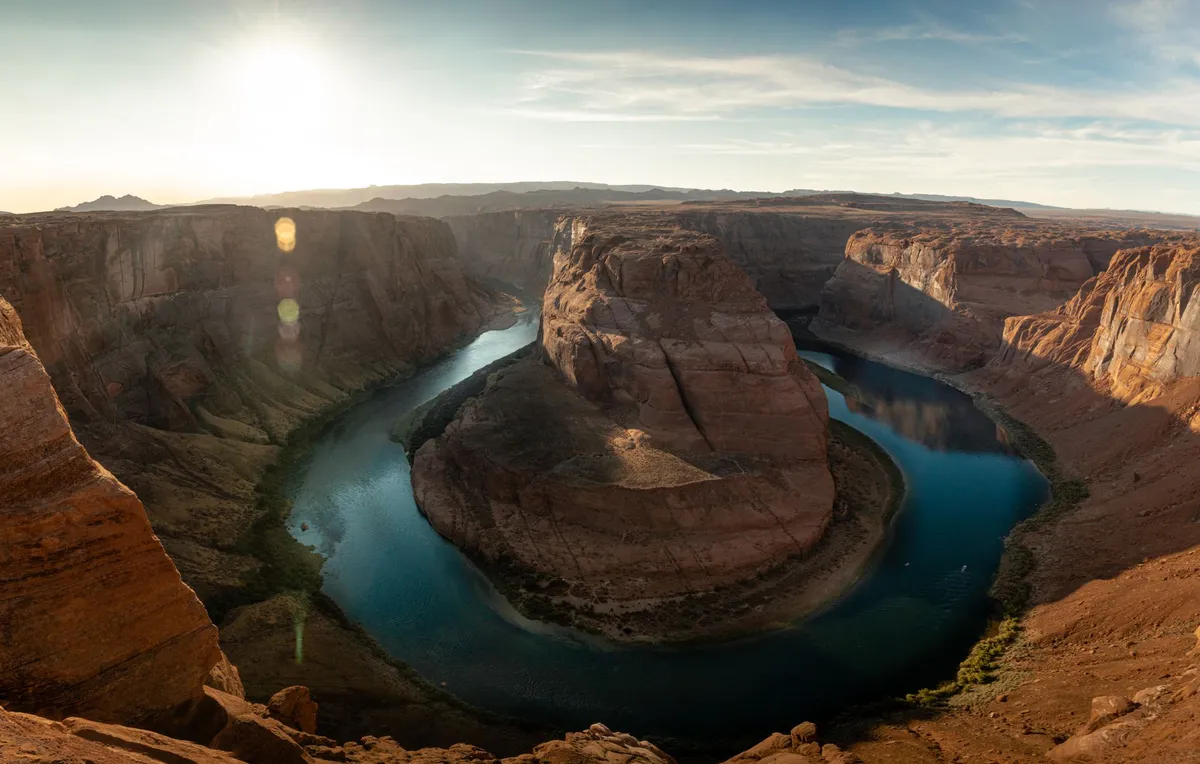
The Colorado River, a lifeline for over 40 million Americans, is facing unprecedented challenges as a result of climate change and prolonged drought conditions. In a significant response to this crisis, the federal Interior Department recently announced operational guidelines that mandate severe water cuts for three key states: California, Arizona, and Nevada. This decision marks a critical moment for these lower-basin states, which are now tasked with managing dwindling resources in a way that protects their communities and ecosystems.
According to the new plan, California will see its annual water allocation reduced by 440,000 acre-feet, while Arizona faces a reduction of 760,000 acre-feet, and Nevada is set to lose 50,000 acre-feet. Collectively, these cuts add up to a staggering 1.25 million acre-feet less water each year over the next two years. This unprecedented action reflects a growing recognition among the states that the Colorado River is facing a dire situation that requires immediate and coordinated responses.
Background: The Colorado River's Importance
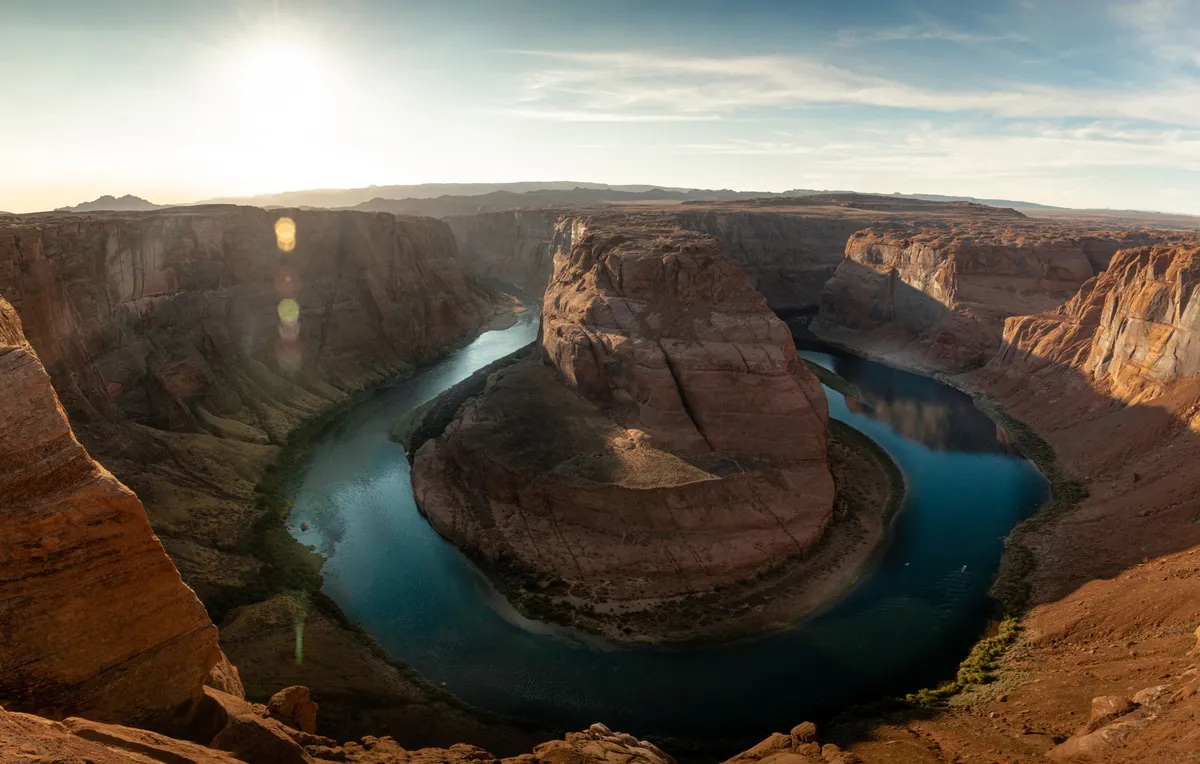
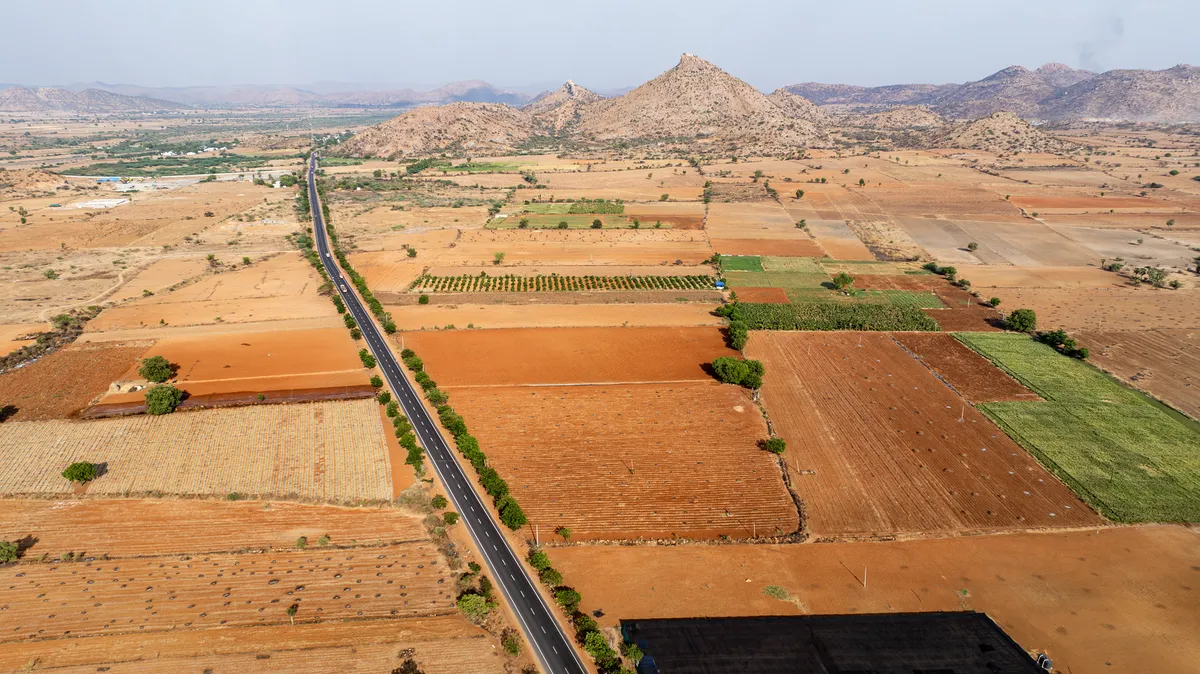
The Colorado River is more than just a waterway; it is a crucial resource that supports agriculture, municipalities, and ecosystems across the American West. Stretching over 1,450 miles, the river traverses seven states, including Colorado, Utah, Arizona, Nevada, California, New Mexico, and Wyoming. It also serves as a vital source of hydroelectric power for millions. The river's water is essential for sustaining 5.5 million acres of farmland, which in turn supports numerous agricultural communities.
However, the river has been experiencing alarming declines in water levels, with Lake Powell and Lake Mead, two of its primary reservoirs, reaching their lowest levels since 1963. Climate change has significantly exacerbated this situation, leading to unpredictable weather patterns and reduced snowmelt, which is vital for replenishing the river's flow. As a result, the Interior Department has emphasized the urgent need for collaborative management strategies among the states.
The New Operational Guidelines
The newly released operational guidelines not only impose these significant water cuts but also create a framework that will dictate future management of the river for at least the next decade. The guidelines include specific criteria for water releases from Lake Powell, requiring a minimum elevation of 3,510 feet to ensure operational reliability at the Glen Canyon Dam. This stipulation aims to balance the immediate needs of the states with long-term sustainability for the river system.
“California, Arizona, and Nevada have stepped up,” stated JB Hamby, California's basin state commissioner. “That is an extraordinary commitment, and it shows how seriously the lower basin is taking the condition of the river.” Despite this commitment, Hamby cautioned that these reductions are merely a temporary solution and that all seven Colorado River Basin states need to share the responsibility for the river's management.
The Stakes of the Agreement
The implications of these water cuts extend far beyond the immediate reduction in supply. With 40 million people, agricultural industries, and critical ecosystems relying on the Colorado River, the stakes are incredibly high. The agreement also includes provisions for the lower-basin states to store at least 700,000 acre-feet of water by the 2027-2028 period, which could help mitigate some of the impacts of these reductions.
Arizona Governor Katie Hobbs expressed optimism regarding the agreement, stating, “Together, we’ve proven that the lower basin will work in meaningful ways to protect the Colorado River system we all rely on.” This cooperative spirit will be essential in navigating the complexities of water management in the coming years.
Future Challenges and Opportunities
As states begin to adapt to the new operational guidelines, they will need to consider innovative approaches to water conservation and management. The Interior Department has indicated a willingness to work with states and stakeholders to develop conservation programs and explore infrastructure modernization to better cope with the changing climate.
“The Department and Reclamation will continue to work with all basin stakeholders to identify areas to maximize efforts throughout the basin,” Assistant Interior Secretary Andrea Travnicek stated. This collaborative approach is vital for developing sustainable solutions to the ongoing water crisis.
However, the challenges are immense. The reality of the situation is clear: there is simply less water in the Colorado River than there once was, and the reductions ahead may be more severe than any previously faced. As Hamby remarked, “The lower basin has shown what meaningful action looks like. Now we need the entire basin to do the same.”

Key Takeaways
- The new guidelines mandate a total reduction of 1.25 million acre-feet of water annually for California, Arizona, and Nevada.
- Lake Powell and Lake Mead are at record low levels, prompting urgent action from the federal government.
- Future management frameworks will prioritize collaboration among all seven Colorado River basin states.
- The agreement includes provisions for water storage to help mitigate the impact of reductions.
- Innovative conservation efforts and infrastructure modernization will be crucial moving forward.
Frequently Asked Questions
What does an acre-foot of water mean?
An acre-foot is a unit of volume commonly used in water management, representing the amount of water required to cover one acre of land to a depth of one foot. This volume is approximately 325,851 gallons. For perspective, an acre-foot of water can supply a household of four for about one year.
Why are water levels in the Colorado River declining?
Water levels in the Colorado River have been declining due to a combination of factors, including climate change, prolonged drought, and increased demand for water from agricultural and urban areas. The region's changing weather patterns have reduced snowpack and rainfall, which are essential for replenishing the river's flow.
What are the long-term implications of these water cuts?
The long-term implications could include increased competition for water resources among states, potential economic impacts on agriculture and industry, and a need for significant investment in water conservation and infrastructure modernization. These cuts may also prompt a reevaluation of water rights and allocation agreements to ensure equitable distribution among users.
How can individuals contribute to water conservation efforts?
Individuals can contribute to water conservation efforts by adopting simple practices such as reducing outdoor water use, fixing leaks, using water-efficient appliances, and supporting local initiatives that promote sustainable water management. Educating others about the importance of water conservation is also essential for promoting community-wide efforts.
Please note that this content is general information and not legal advice.
Comments
Popular in Guides
- Lake Mead Reaches Historic Low: Understanding the Impacts of Water Scarcity
- Fires and Ferns: Understanding Ancient Europe's Climate Catastrophe
- Unveiling Hidden Stars: Astronomers Discover Four New White Dwarfs
- Understanding the Impact of Hawaii's Online Booking Fee Tax Ruling
- Navigating South Carolina Rental Property Law: A Comprehensive Guide