The Butterfly Effect: Climate Change and Global Range Shifts
A recent study reveals that climate change is causing significant geographical shifts in butterfly populations worldwide. With nearly 2,000 species analyzed, this phenomenon highlights broader environmental changes that may impact ecosystems.

In a striking illustration of the interconnectedness between climate change and biodiversity, a recent study published in Nature Ecology & Evolution reveals that butterfly populations are undergoing significant geographical shifts worldwide. This research, involving scientists from prestigious institutions such as Monash University in Australia and the German Centre for Integrative Biodiversity Research, underscores the urgent need for comprehensive monitoring of wildlife populations as climate change accelerates.
The findings indicate that butterfly redistribution is not merely a matter of species moving poleward or to higher elevations; rather, it is a complex interplay of factors, including extreme weather events and human activities such as land-use change, habitat degradation, and urban development. According to co-author Shawan Chowdhury, a global change biologist at Monash University, the data suggests that climate change is a significant driver, but not the only factor affecting butterfly survival.

Understanding Butterfly Range Shifts
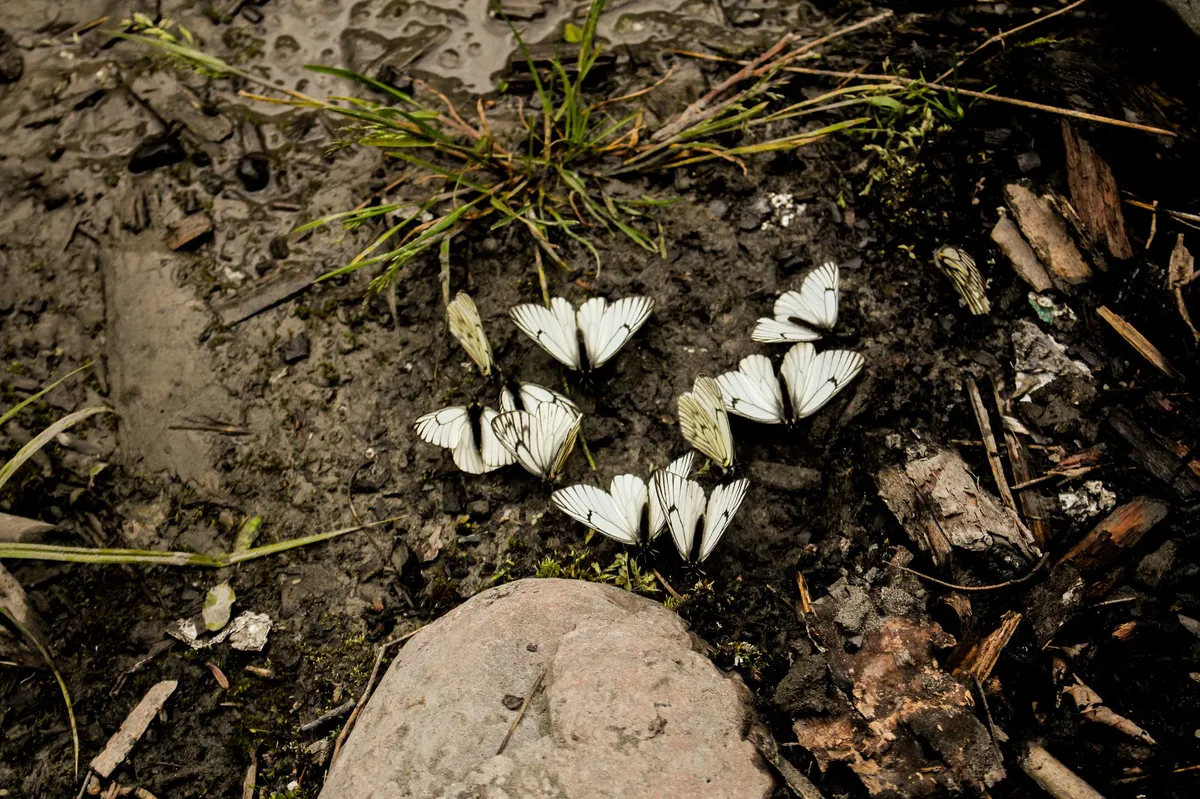
The study meticulously analyzed range-shift records for nearly 2,000 butterfly species, documenting a staggering 6,182 shifts across more than 100 countries. This comprehensive approach provides a clearer picture of how climate change impacts biodiversity. Butterflies, known for their short life cycles and sensitive environmental needs, serve as early indicators of ecological change. Their responses to shifting climatic conditions can signal potential disruptions in ecosystems.
Key Findings
- Out of the 1,758 butterfly species documented to have shifted their ranges, approximately 80% showed range expansions.
- 27% of species experienced contractions in their ranges, while 22% shifted along elevation gradients.
- Horizontal expansions occurred on every continent, particularly in tropical regions.
- Contrarily, range contractions were more prevalent in temperate areas like Europe and North America.
- Significant geographical analysis gaps remain, especially in biodiversity hotspots across Central Africa, Southeast Asia, New Guinea, and the Amazon.
Chowdhury pointed out that the scale of this phenomenon is impressive, with shifts occurring in regions not traditionally studied, extending beyond the well-documented areas of Europe and North America. The data indicates that butterflies are facing a dual challenge: climate change may force them to migrate, but land-use changes are often creating barriers that limit their ability to do so.
The Importance of Comprehensive Monitoring
The research highlights the disparities in the documentation of butterfly range shifts across different countries. In European nations like the Czech Republic and Finland, researchers found that records exist for over half of the butterfly species. In contrast, many other countries have documented shifts for less than 10%. This inconsistency suggests a pressing need for improved biodiversity monitoring on a global scale.
Challenges in Data Collection
Despite the study's thorough methodology, which incorporated non-English scientific literature and expert assessments, significant gaps in data remain. These gaps are particularly alarming given that Central Africa, Southeast Asia, New Guinea, and the Amazon are recognized as critical regions for global biodiversity. Without equitable and standardized monitoring efforts, conservation strategies may be implemented based on incomplete evidence, potentially jeopardizing butterfly populations and the ecosystems they inhabit.
Aletta Bonn, a professor of ecology at the Friedrich Schiller University in Jena, emphasized the importance of contributions from butterfly experts and natural history societies in constructing a more complete understanding of global butterfly biodiversity patterns. The study calls for urgent and coordinated action to enhance monitoring efforts globally.
Broader Implications for Ecosystems
The implications of butterfly range shifts extend beyond the species themselves. As butterflies play critical roles in pollination and serve as food sources for various animals, changes in their populations can disrupt entire ecosystems. Moreover, these shifts are reflective of broader environmental changes that may affect other species as well.
For instance, the decline of butterfly populations in temperate regions could indicate deteriorating habitat conditions that may also impact other wildlife. Similarly, the expansion of certain species into new areas could result in competition with native species, leading to further ecological imbalances.
The Role of Climate Change
Climate change is driving alterations in temperature and precipitation patterns, resulting in shifts in the availability of resources that butterflies rely on for survival. As these insects migrate to find suitable habitats, they may encounter obstacles such as urban development and agricultural practices that disrupt their natural environments. This multifaceted challenge illustrates the complexity of addressing climate change and its effects on biodiversity.
Key Takeaways
- Butterfly populations worldwide are experiencing significant range shifts due to climate change and human activities.
- About 80% of documented butterfly species have expanded their ranges, while 27% have contracted.
- There are major disparities in the documentation of range shifts across different countries.
- Urgent action is needed to enhance global biodiversity monitoring efforts to protect butterfly populations.
- The implications of these shifts extend beyond butterflies, affecting entire ecosystems.
Frequently Asked Questions
What are the main drivers of butterfly range shifts?
The primary drivers of butterfly range shifts include climate change, which alters temperature and precipitation patterns, and human activities such as land-use change, agricultural practices, urban development, and habitat degradation. These factors can force butterflies to migrate to new areas while also creating obstacles that hinder their movement.
Why are butterflies considered indicators of environmental change?
Butterflies have short life cycles and sensitive environmental needs, making them particularly vulnerable to changes in their habitats. Their responses to shifting climatic conditions can provide early warnings of broader ecological changes, allowing scientists to assess the health of ecosystems and identify potential disruptions.
What can be done to improve biodiversity monitoring efforts?
To enhance biodiversity monitoring, there is a need for equitable, standardized, and multilingual data collection methods. Collaboration among researchers, conservationists, and local communities is vital to ensure comprehensive monitoring efforts that encompass diverse geographical regions, particularly those currently lacking adequate data.
How do butterfly range shifts affect other species?
Butterfly range shifts can have cascading effects on ecosystems. As butterflies are important pollinators and food sources for various animals, changes in their populations can disrupt food webs and impact other wildlife. Additionally, the introduction of butterflies into new areas may lead to competition with native species, potentially resulting in ecological imbalances.
This article provides general information and is not intended as legal advice.
Comments
New Free Mediation Services Launch in State to Resolve Legal Disputes
A collaborative effort between the trial court and local bar association has introduced free mediation services aimed at easing the burden on the court system and providing accessible conflict resolution for residents. This initiative is expected to help many avoid lengthy and costly litigation.

Related articles


Popular in Guides
- Lake Mead Reaches Historic Low: Understanding the Impacts of Water Scarcity
- Fires and Ferns: Understanding Ancient Europe's Climate Catastrophe
- Unveiling Hidden Stars: Astronomers Discover Four New White Dwarfs
- Understanding the Impact of Hawaii's Online Booking Fee Tax Ruling
- Navigating South Carolina Rental Property Law: A Comprehensive Guide