Rising Sea Levels Threaten Coastal Wetlands: An Urgent Call to Action
A new study reveals that 84% of U.S. coastal wetlands are at risk from rising sea levels. This alarming trend poses significant threats to ecosystems, biodiversity, and human communities alike.
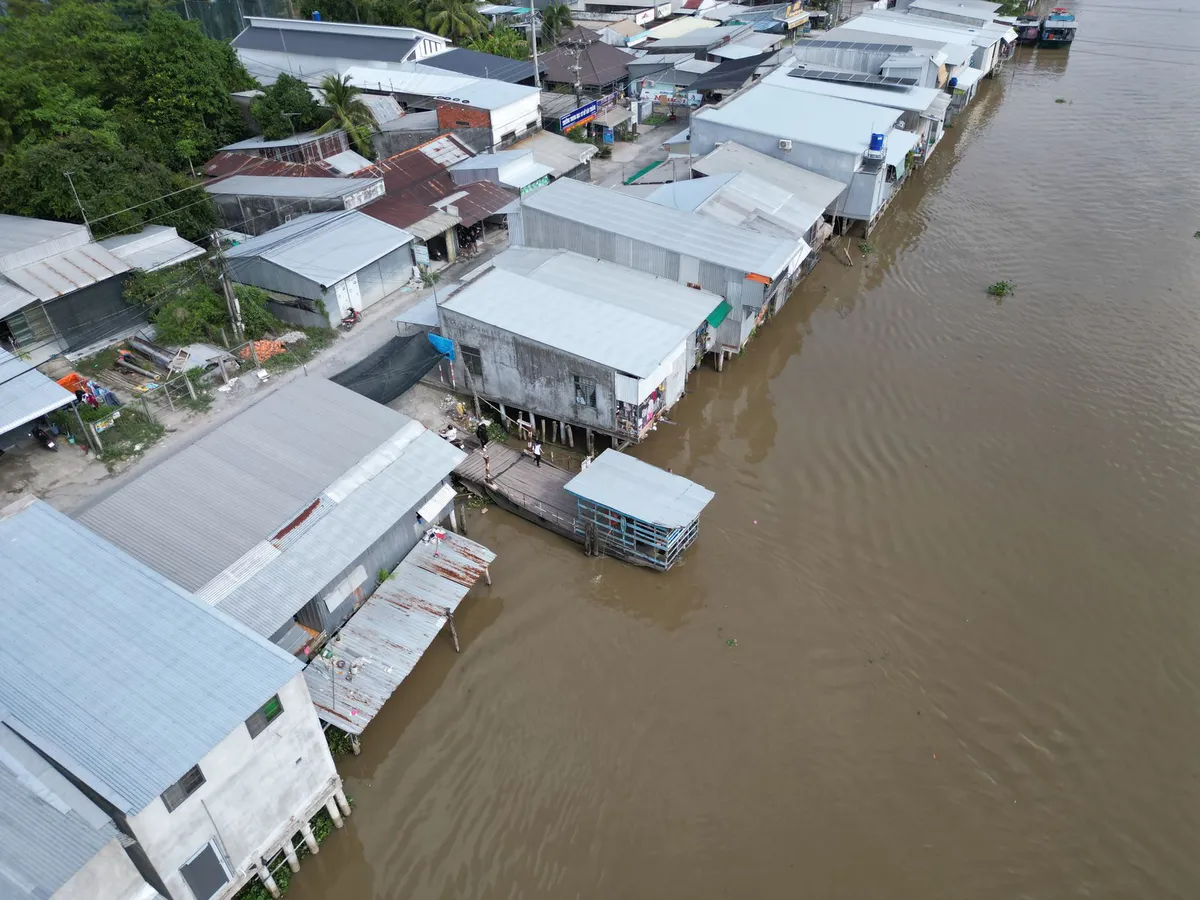
The threat of climate change extends beyond atmospheric shifts, casting a dark shadow over the Earth’s oceanic regions as well. Recent research published in the American Geophysical Union journal, Earth’s Future, has brought to light a harrowing forecast concerning American coastal wetlands. With 84% of these vital ecosystems being overtaken by rising sea levels, environmentalists, land use planners, and residents living along the Gulf Coast face an urgent crisis. This study, led by Duke University wetland ecologist Justine Neville, underscores the precarious fate of coastal wetlands and the dire need for immediate action to mitigate these effects.
Wetlands play a crucial role in maintaining biodiversity, acting as natural buffers against storm surges, and filtering pollutants from water. However, as sea levels continue to rise, the delicate balance within these ecosystems is threatened. The study highlights that while wetland vegetation can thrive in water, excessive hydration can lead to detrimental conditions for plant life. This phenomenon mirrors human experiences with hyperhydration, illustrating that too much water can be just as harmful as too little. As Glenn Guntenspergen, a researcher with the U.S. Geological Survey, puts it, “All coastal plants have optimum ranges. But if they get flooded too much, then the system shuts down.”
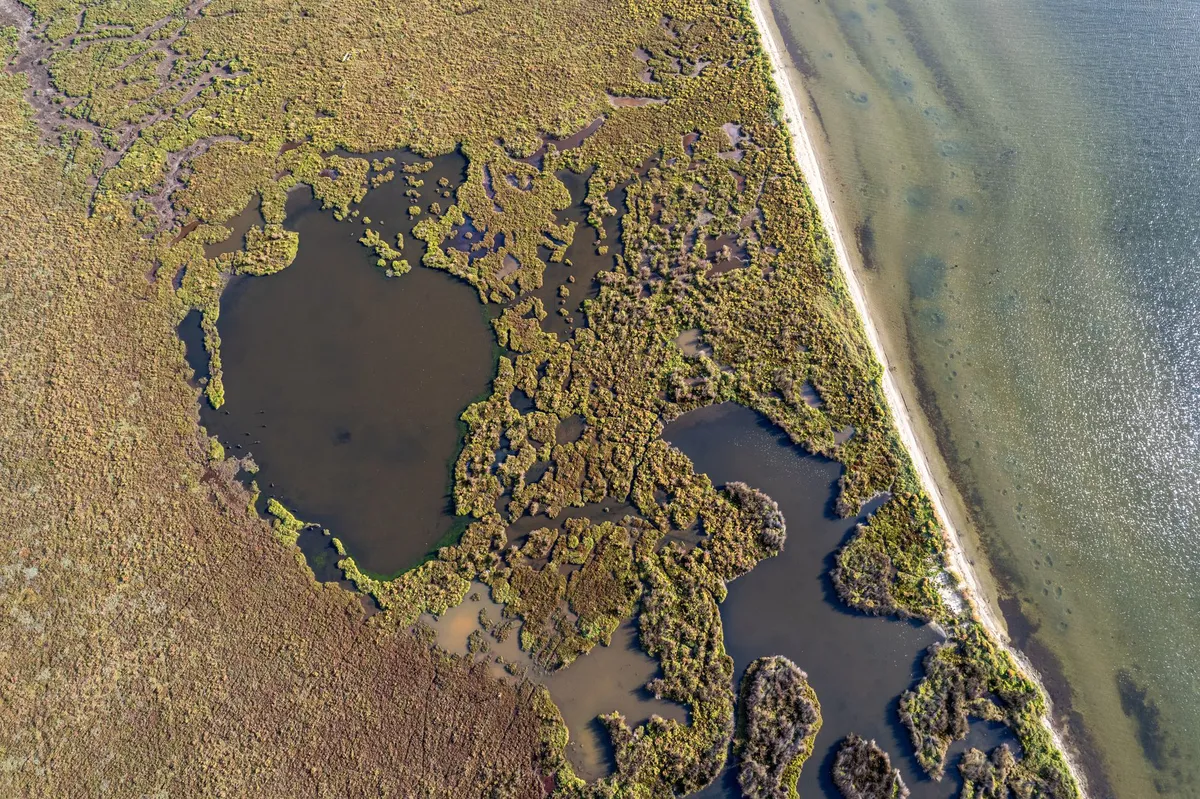
The Scope of the Problem: A Nationwide Analysis
The study stands apart from previous research due to its comprehensive nationwide approach, shifting away from localized fieldwork to a larger-scale assessment. This ambitious effort required Neville’s team to navigate across varied terrains, employing both sea and air travel to gather extensive data. By examining hundreds of sites along the Atlantic, Gulf, and Pacific coasts, researchers constructed a clearer understanding of the challenges facing these ecosystems.
One of the key findings reveals that while 89% of U.S. coastal wetlands are gradually increasing in elevation due to sediment accumulation, a staggering 73% of these areas are not rising quickly enough to avert future submergence. The study indicates that even as some wetlands adapt, the threat of being completely submerged without human intervention looms large.
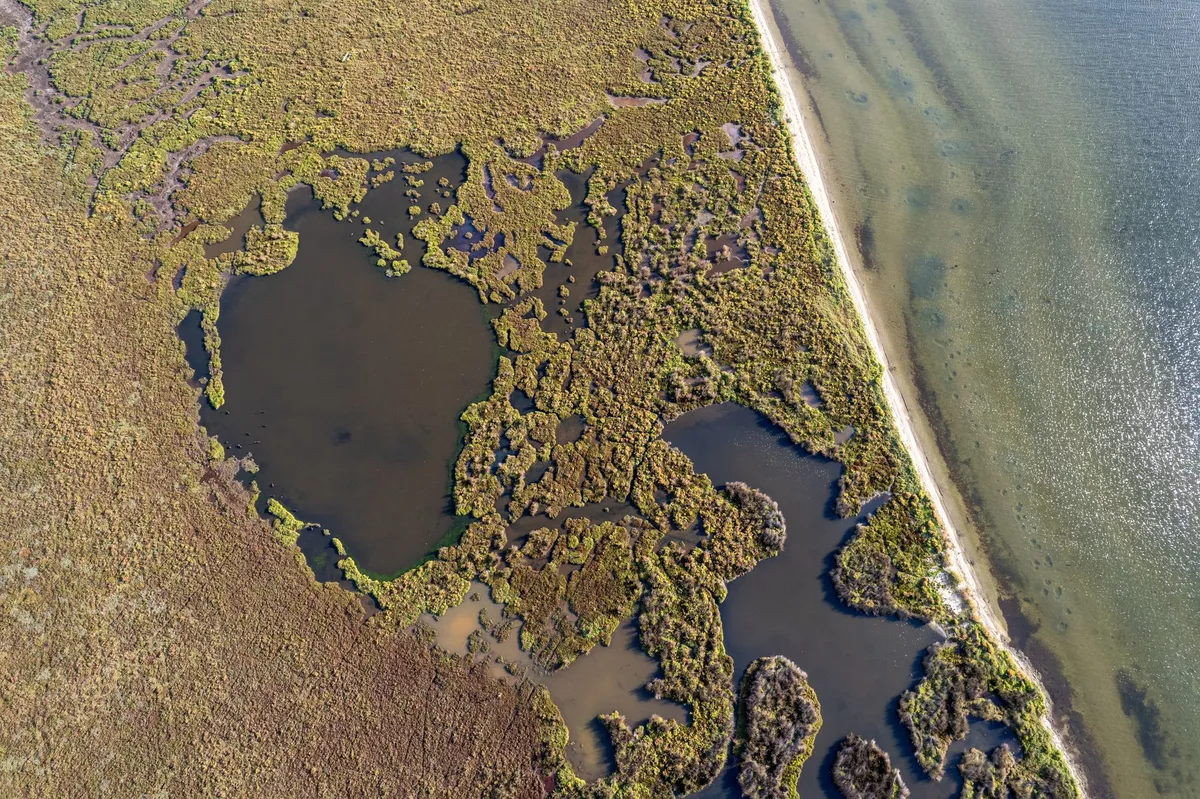
Regional Vulnerabilities: The Gulf Coast at Risk
The research identifies a significant disparity in vulnerability among different coastal regions. Atlantic and Pacific coastal biomes are deemed less susceptible to the impacts of rising sea levels compared to their Gulf Coast counterparts. This vulnerability is attributed to factors such as historical shipping traffic and fossil fuel extraction prevalent in the southern U.S. Such activities not only disrupt sediment flow but also contribute to the degradation of these vital ecosystems.
Despite the bleak outlook for many coastal wetlands, there is a glimmer of hope. About 70% of the studied wetlands have the potential to expand further inland, which could help them avoid the dire fate of drowning. However, this opportunity is contingent upon proactive measures being taken to support these ecosystems.
Mitigating the Impact: Necessary Actions
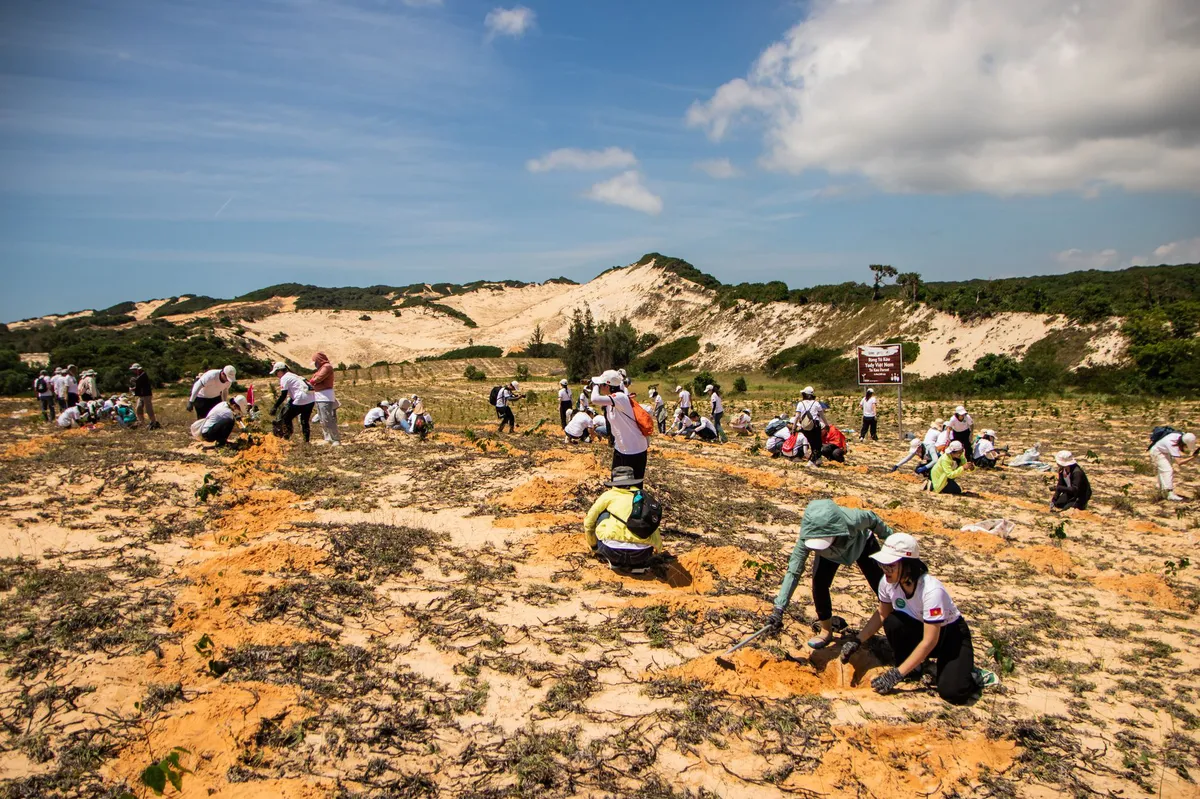
Addressing the challenges posed by rising sea levels will require concerted efforts from ecologists, conservationists, and policymakers. The study emphasizes several strategies that can be employed to mitigate the impact on coastal wetlands:
- Balancing Sediment Levels: Ensuring that wetlands receive adequate sediment deposits is crucial for maintaining their elevation and health.
- Removing Manmade Barriers: Features such as dikes and levees can impede the natural processes that allow wetlands to adapt. Their removal may be necessary to facilitate ecological recovery.
- Protecting Adjacent Areas: Limiting development in areas adjacent to wetlands can provide crucial space for these ecosystems to retreat inland as sea levels rise.
- Community Engagement: Involving local communities in conservation efforts can enhance support for policies aimed at protecting coastal wetlands.
The Broader Implications for Marine Ecosystems
The ramifications of diminishing coastal wetlands extend beyond the immediate ecosystem. These habitats are vital for numerous marine species, including endangered species such as the Gulf sturgeon and leatherback sea turtle. As wetlands degrade, the loss of habitat and resources can have cascading effects on biodiversity, potentially leading to the decline or extinction of various marine organisms.
Moreover, the erosion of wetland areas can exacerbate the impacts of climate change on coastal communities. Wetlands act as natural barriers against storm surges and flooding, and their loss could leave coastal populations more vulnerable to extreme weather events. The interplay between environmental degradation and human safety highlights the urgent need to prioritize the conservation of these ecosystems.
Key Takeaways
- 84% of U.S. coastal wetlands are threatened by rising sea levels, with significant implications for biodiversity and human safety.
- While many wetlands are increasing in elevation, 73% are not rising fast enough to avoid submergence without intervention.
- Action is needed to balance sediment levels and remove manmade barriers to help wetlands adapt.
- Coastal wetlands serve as crucial habitats for endangered species and provide storm protection for coastal communities.
Frequently Asked Questions
What are coastal wetlands, and why are they important?
Coastal wetlands are areas where water meets land, including marshes, swamps, and estuaries. They play a vital role in supporting biodiversity, providing habitat for numerous species, filtering pollutants from water, and acting as natural buffers against storms and flooding. Their health is crucial for both the environment and human populations living nearby.
How does rising sea level affect coastal wetlands?
As sea levels rise, coastal wetlands can become inundated with saltwater, which disrupts the delicate balance of the ecosystem. While some wetland plants can adapt to increased water levels, prolonged flooding can lead to plant stress and eventual die-off. This can result in habitat loss, increased erosion, and diminished natural protection for coastal communities.
What can individuals do to help protect coastal wetlands?
Individuals can contribute to the protection of coastal wetlands by supporting conservation initiatives, advocating for sustainable land-use policies, and participating in community clean-up efforts. Additionally, educating others about the importance of wetlands can foster greater awareness and collective action toward their preservation.
What role do policymakers play in wetland conservation?
Policymakers play a critical role in wetland conservation by developing and enforcing regulations that protect these ecosystems. This includes creating policies that limit development in vulnerable areas, providing funding for restoration projects, and promoting research to better understand wetlands' needs. Collaborative efforts between government, non-profit organizations, and local communities can enhance the effectiveness of conservation strategies.
This content is general information, not legal advice.
Comments
Popular in Guides
- Lake Mead Reaches Historic Low: Understanding the Impacts of Water Scarcity
- Fires and Ferns: Understanding Ancient Europe's Climate Catastrophe
- Unveiling Hidden Stars: Astronomers Discover Four New White Dwarfs
- Understanding the Impact of Hawaii's Online Booking Fee Tax Ruling
- Navigating South Carolina Rental Property Law: A Comprehensive Guide