A Celestial Showdown: Total Solar Eclipse Set to Dazzle Spain and Beyond
In August 2023, a rare total solar eclipse will grace mainland Spain for the first time in over a century, accompanied by a meteor shower and an alignment of planets. Here’s what you need to know about this astronomical event and its significance.
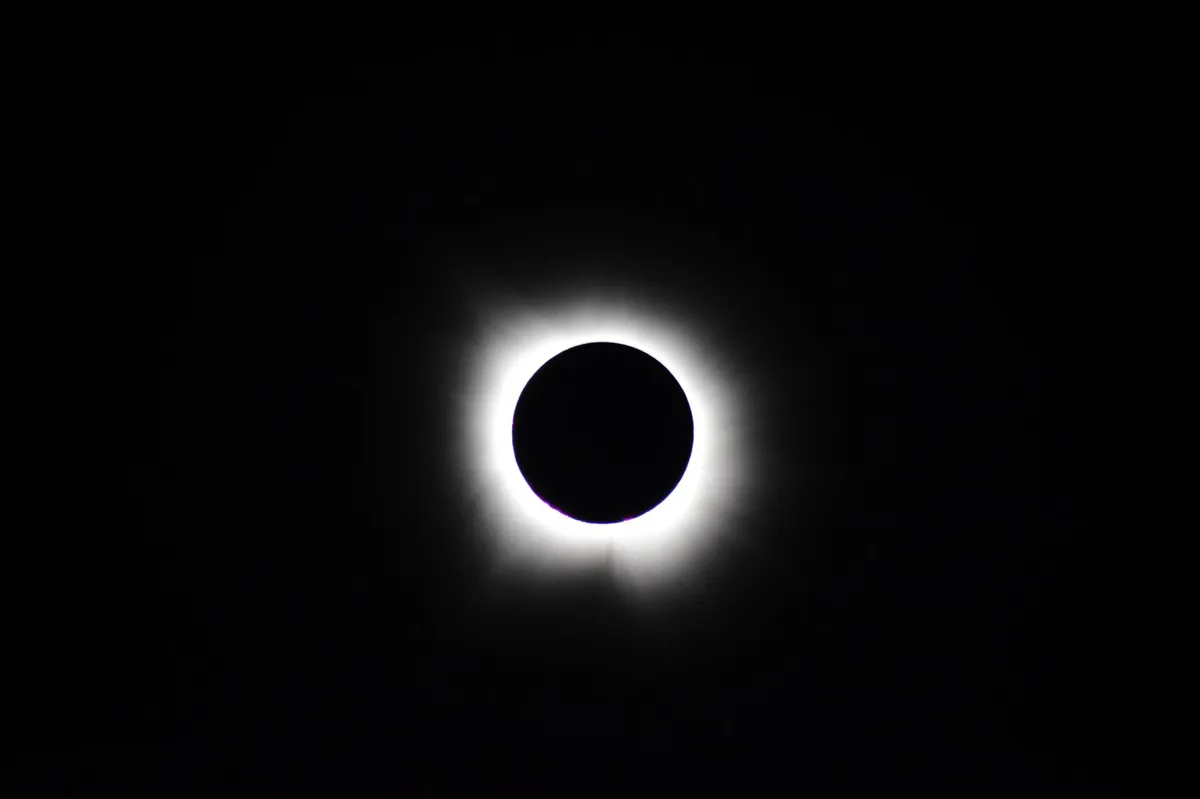
On August 12, 2023, the skies above Spain, Iceland, and Greenland will darken dramatically as a total solar eclipse sweeps across the region, an event that hasn't occurred on mainland Spain in over a century. This awe-inspiring phenomenon promises not just a temporary obscuring of the sun, but a spectacular celestial show that will captivate millions. With the added spectacle of a meteor shower and a rare alignment of six planets, enthusiasts and casual observers alike are gearing up for a day of astronomical wonder.
The eclipse will reach its peak near sunset, creating a stunning backdrop as the moon, Earth, and the sun align perfectly. This total solar eclipse will offer a glimpse into the mysteries of our solar system, allowing viewers to experience a brief period of daytime darkness that can last up to two minutes and 18 seconds in specific locations. As it tracks southward from the North Pole, it will draw attention and excitement from eclipse chasers and casual stargazers, marking a momentous occasion for astronomy enthusiasts.
The Path of Totality: What to Expect
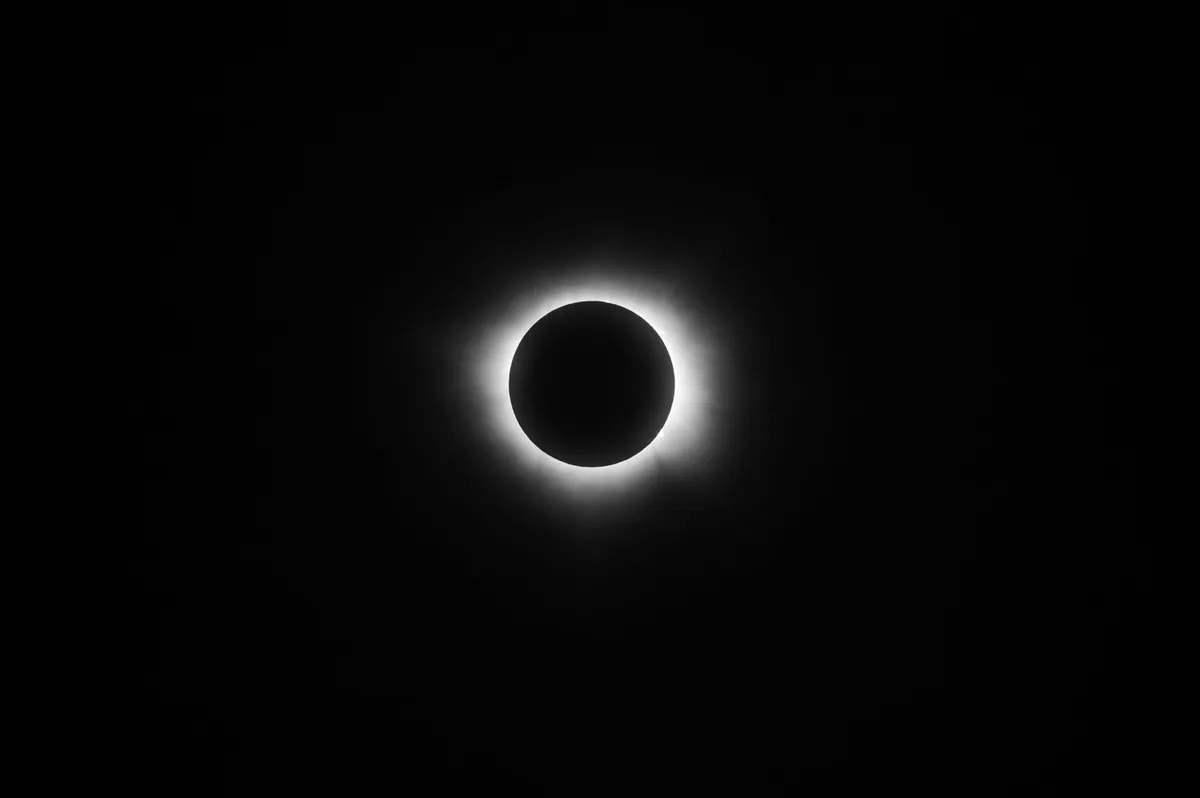
The path of totality—the narrow strip where observers can witness the total eclipse—will stretch approximately 5,130 miles (8,260 kilometers), primarily over the Atlantic Ocean, before making landfall in Portugal and Spain. Maximum totality will occur off the coast of Iceland, where the moon will completely obscure the sun for the longest duration. As the shadow of the moon races across the landscape, totality will shorten significantly, dwindling to about a minute as it reaches the crowded event sites in Spain.
Partial Eclipses Across the Globe
For those situated outside the path of totality, fear not! A partial eclipse will still be visible across vast areas, including:
- 94% coverage in Dublin, Ireland
- 83% in Oslo, Norway
- 18% in Montreal, Canada
- 9% in New York City, USA
- 2% in Norfolk, Virginia, USA
Even in these regions, special eclipse glasses will be essential for safe viewing, as looking directly at the sun—even partially obscured—can cause serious eye damage.

Celebrating the Eclipse: Events and Observations
The excitement surrounding this total solar eclipse is palpable, as institutions and communities prepare for public viewing events and scientific experiments. The European Space Agency (ESA) will host a live webcast from Spain's Astrophysical Observatory of Javalambre, providing commentary and insights as the eclipse unfolds. In addition, public celebrations are planned in places like Leon, Spain, where crowds will gather to witness this rare event.
Nasa is also joining the fray, offering its own coverage and launching over 60 high-altitude balloons from Spain and Iceland to gather data on atmospheric changes during the eclipse. The temperature drop caused by the moon's shadow presents a unique opportunity for scientific study, and researchers are eager to capitalize on this fleeting moment.
High-Altitude Observations
Among the researchers, the Southwest Research Institute’s Amir Caspi plans to utilize a NASA high-altitude plane to extend the duration of totality. By chasing the eclipse at speeds exceeding 460 mph (740 kph), he aims to capture the sun's corona in multiple wavelengths, providing invaluable data that can only be gathered during such an event.
The Cosmic Dance: Meteor Showers and Planetary Alignments
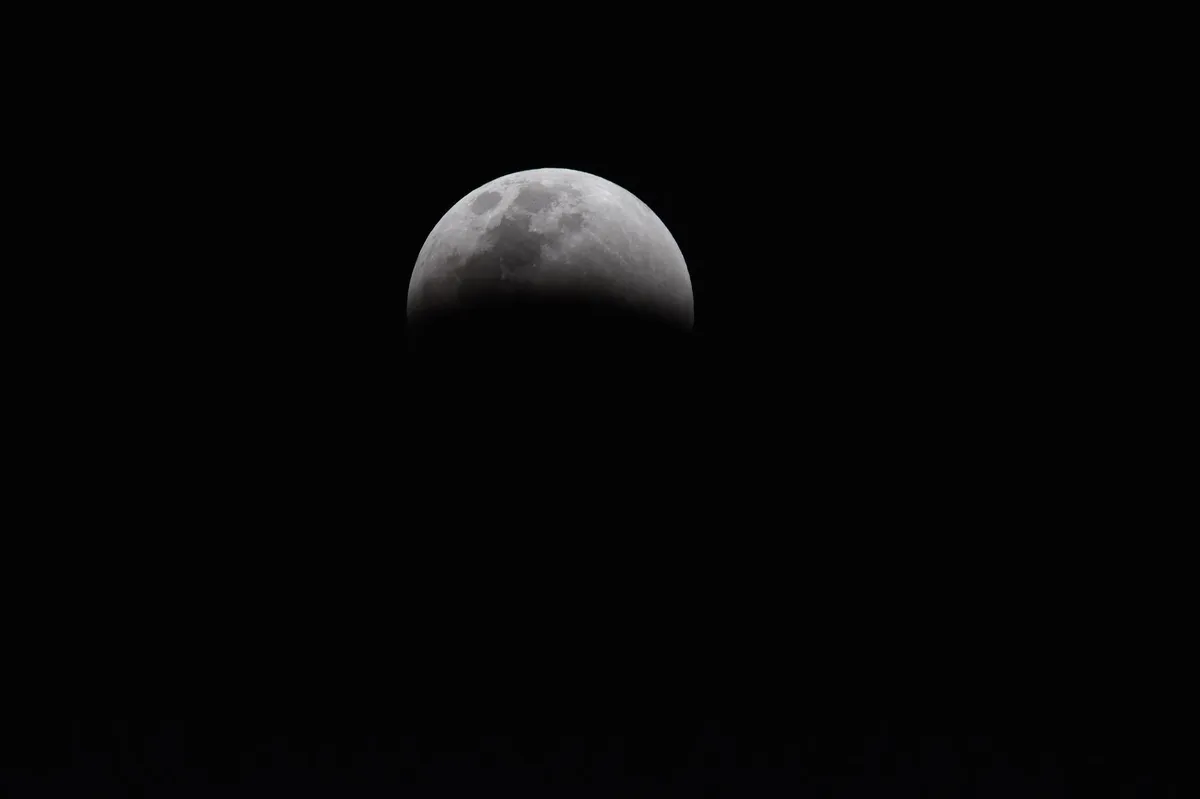
Adding to the cosmic spectacle, the same day will feature a peak in the Perseid meteor shower, one of the most anticipated meteor showers of the year. As night falls, stargazers can expect to see streaks of light across the sky, creating a magical environment enhanced by the new moon, which will ensure darker skies for optimal viewing. This unique combination of events—the solar eclipse, meteor shower, and planetary alignments—creates a rare moment for both scientific observation and public enjoyment.
Future Eclipses to Look Forward To
While the August 2023 eclipse is a highlight, it’s worth noting that an even longer total solar eclipse is scheduled for August 2, 2027. This future event promises up to six minutes and 23 seconds of totality, passing over southern Spain and extending into parts of North Africa and the Middle East. Additionally, a ring-of-fire eclipse is set for January 26, 2028, rounding out Spain’s remarkable trifecta of celestial events. Given that the last total solar eclipse visible in mainland Spain occurred in 1912—just days before the Titanic tragedy—these upcoming events are significant milestones for the country and the global astronomy community.
Key Takeaways
- First Total Solar Eclipse in Spain in Over 100 Years: August 12, 2023, marks a historic astronomical event.
- Multiple Celestial Events: The eclipse coincides with a meteor shower and the alignment of six planets, enhancing the viewing experience.
- Safe Viewing is Essential: Special eclipse glasses are necessary for safe observation of the eclipse.
- Scientific Research Opportunities: Numerous research teams will study atmospheric changes during the eclipse.
- Future Eclipses to Anticipate: A longer total solar eclipse will occur in 2027, with additional celestial events in 2028.
Frequently Asked Questions
What is a total solar eclipse?
A total solar eclipse occurs when the moon completely covers the sun, casting a shadow on Earth and causing temporary darkness in the daytime. This phenomenon can only be viewed from specific locations along the path of totality, where the eclipse is observed in its fullest form. The duration of totality can vary based on the observer's location, with some experiencing only a few seconds while others may enjoy several minutes of darkness.
How can I safely view the solar eclipse?
To safely view a solar eclipse, it is crucial to use proper solar viewing glasses that meet the ISO 12312-2 international safety standard. Regular sunglasses are not sufficient to protect your eyes from the sun's harmful rays. You can also view the eclipse indirectly using pinhole projectors or by observing the shadows cast by leaves on the ground, which can create small images of the eclipse.
What scientific experiments will take place during the eclipse?
Various scientific experiments are planned to occur during the eclipse, including the launch of high-altitude balloons to study atmospheric changes, as well as observations of the sun's corona from aircraft and ground-based telescopes. These studies are designed to gather data on temperature fluctuations and other atmospheric phenomena that occur during the brief period of totality, providing valuable insights into solar behavior and its effects on Earth.
When is the next solar eclipse I should look for?
After the total solar eclipse in August 2023, the next significant solar event to watch for is the total solar eclipse on August 2, 2027, which will offer an extended duration of totality across southern Spain and parts of North Africa. Following that, a ring-of-fire eclipse is expected on January 26, 2028. These upcoming celestial events are great opportunities for both enthusiasts and casual observers to engage with astronomy.
This content is for informational purposes only and should not be considered legal advice.
Comments
Popular in Guides
- Lake Mead Reaches Historic Low: Understanding the Impacts of Water Scarcity
- Fires and Ferns: Understanding Ancient Europe's Climate Catastrophe
- Unveiling Hidden Stars: Astronomers Discover Four New White Dwarfs
- Understanding the Impact of Hawaii's Online Booking Fee Tax Ruling
- Navigating South Carolina Rental Property Law: A Comprehensive Guide