Georgia's Okefenokee Swamp Joins UNESCO's World Heritage List
The Okefenokee Swamp in Georgia has been officially added to UNESCO's World Heritage List, highlighting its ecological significance. This designation comes amid concerns about increased management and tourism impacts.
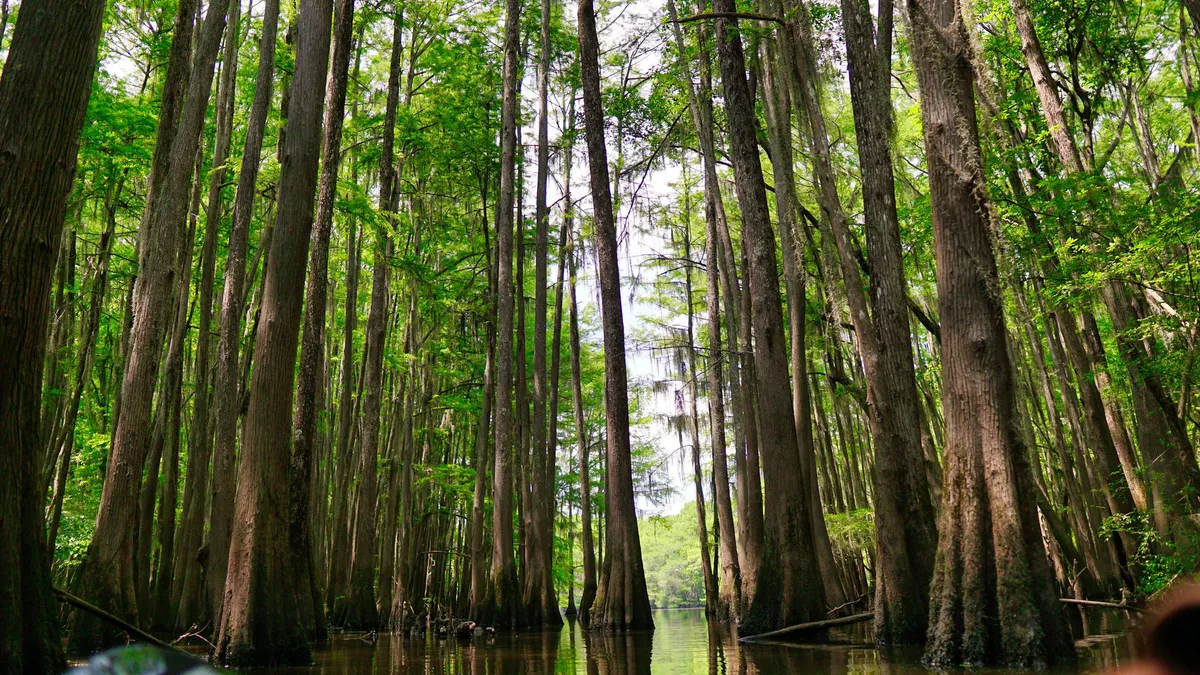
The Okefenokee Swamp, a vast and ecologically rich area in Georgia, has recently been inscribed on UNESCO's World Heritage List, a recognition that underscores its significance as one of the world's largest freshwater ecosystems. This designation was announced during a U.N. committee meeting held in Busan, South Korea, alongside other notable sites, including a historic Buddhist temple in Thailand and tidal flats in South Korea. The Okefenokee's inclusion in the prestigious list not only highlights its biodiversity but also raises questions about the future management and preservation of this unique natural habitat.
The Significance of the Okefenokee Swamp
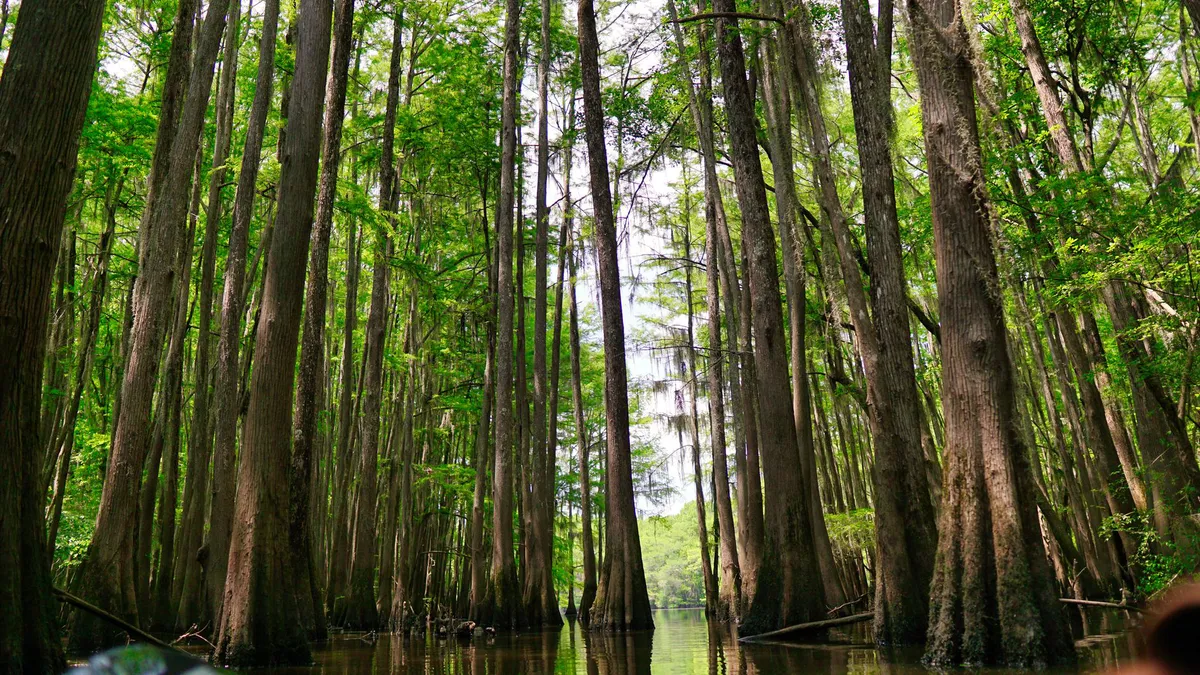
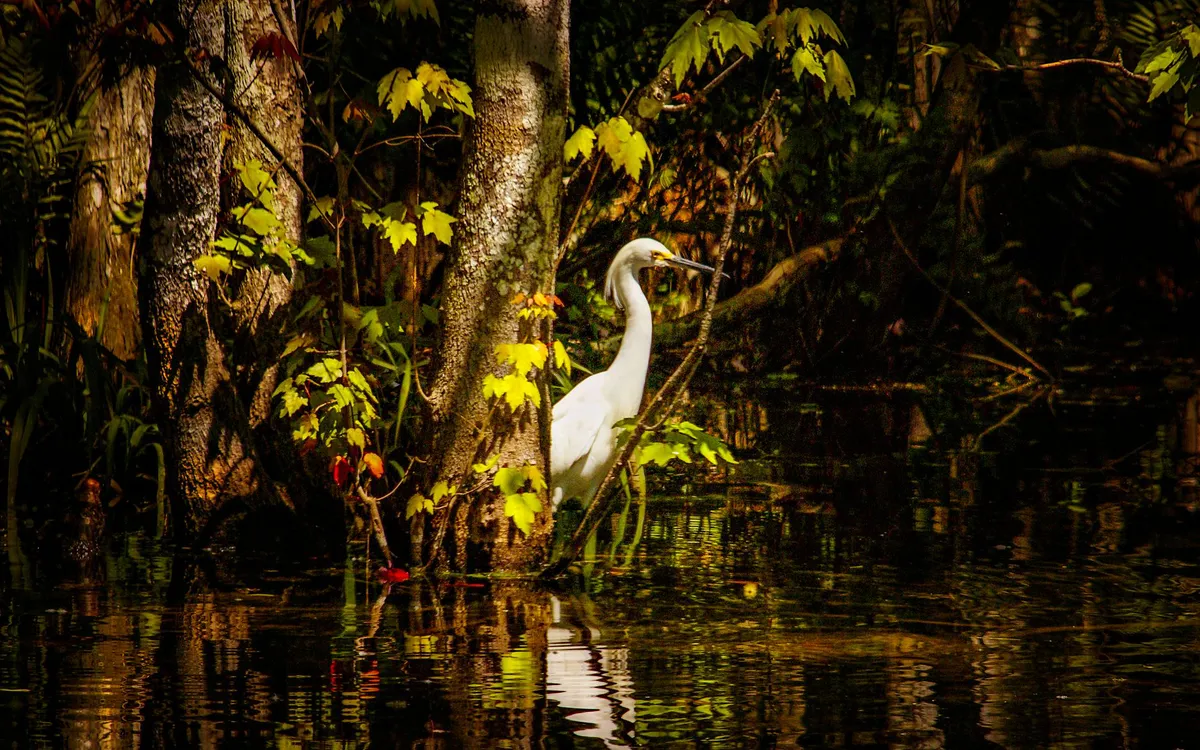
Spanning approximately 402,000 acres, the Okefenokee Swamp is renowned for its spectacular biodiversity and plays a crucial role in the local ecosystem. It serves as the source for two major rivers—the Suwannee and the St. Marys—and is home to a plethora of wildlife, including alligators, black bears, and hundreds of bird species. Its peat beds, which have been undisturbed for thousands of years, provide a vital record of environmental changes over nearly 5,000 years. This aspect makes the swamp not only a natural wonder but also a critical site for scientific research and environmental monitoring.
Local Reactions to UNESCO Designation
While the recognition by UNESCO places the Okefenokee alongside iconic national landmarks such as the Grand Canyon, it has not been without controversy. Some local residents and stakeholders have expressed concern that the World Heritage status may lead to increased federal intervention in the swamp's management. This fear stems from the belief that U.N. involvement could impose restrictions that might hinder local economic activities, particularly in areas like agriculture and logging.
Kim Bednarek, the executive director of the nonprofit Okefenokee Swamp Park, has acknowledged these concerns while emphasizing the positive implications of the designation. “We accept this inscription not as a finish line, but as a commitment to keep the Okefenokee wild, resilient, and thriving for generations to come,” she stated, highlighting the importance of balancing conservation with community interests.
Global Recognition of Cultural and Natural Heritage
The inscription of the Okefenokee Swamp is part of a broader initiative by UNESCO to recognize and promote sites of outstanding cultural and natural importance across the globe. In addition to the swamp, the World Heritage List has been enriched with several other significant sites:
- **Wat Phra Mahathat Woramahawihan**: A 13th-century Buddhist temple in Thailand, known for its unique architecture and as a living place of worship.
- **Sarnath**: An ancient Buddhist site in India, recognized as the location where Buddha delivered his first sermon.
- **South Korean Tidal Flats**: The expansion of the tidal flats listing highlights the importance of these ecosystems for biodiversity and migratory bird routes.
- **Jingdezhen Porcelain Sites**: Historic sites in China that showcase the evolution of porcelain craftsmanship over centuries.
- **Historic Towns of Comoros**: Reflecting the rich cultural exchange influenced by trade networks in the Indian Ocean.

Implications for Conservation and Tourism
The addition of the Okefenokee Swamp to the World Heritage List is expected to significantly boost tourism to the area. While increased visitor numbers can bring economic benefits, they also pose challenges related to infrastructure and environmental sustainability. Local officials and conservationists are urged to develop comprehensive management plans that address potential impacts on the swamp's delicate ecosystem. This includes creating visitor centers, improved transportation options, and educational programs that promote responsible tourism.
Furthermore, as the swamp becomes more prominent on the global stage, it will require ongoing collaboration between local communities, government agencies, and conservation organizations to ensure that its ecological integrity is maintained while accommodating an influx of visitors.
Conclusion: A Balance Between Heritage and Community
The designation of the Okefenokee Swamp as a UNESCO World Heritage site serves as a testament to its ecological importance and cultural significance. As communities grapple with the implications of this recognition, they face the dual challenge of preserving their natural heritage while ensuring that economic opportunities are not compromised. The commitment to protecting the Okefenokee must involve thoughtful planning and community engagement to ensure that both the environment and local livelihoods are safeguarded for future generations.
Key Takeaways
- The Okefenokee Swamp is now recognized as a UNESCO World Heritage site for its biodiversity and ecological significance.
- Local reactions to the designation are mixed, with concerns about increased federal oversight and tourism impacts.
- Other newly recognized sites include historic temples, ancient Buddhist locations, and important ecosystems across Asia.
- Effective management and planning are essential to balance conservation efforts with community needs and tourism growth.
Frequently Asked Questions
What does UNESCO World Heritage status mean for the Okefenokee Swamp?
Receiving UNESCO World Heritage status elevates the Okefenokee Swamp's profile as a site of outstanding natural importance, which can enhance conservation efforts and attract international attention. However, it may also introduce regulatory scrutiny and potential restrictions on land use, leading to concerns among local stakeholders about the impact on their livelihoods.
How will tourism be impacted by the new designation?
The World Heritage designation is expected to increase tourist visitation to the Okefenokee Swamp, potentially boosting local economies. However, local officials must prepare for this surge by improving infrastructure, such as roads and visitor facilities, and ensuring that the natural environment is not compromised by the influx of visitors.
What steps are being taken to manage the swamp responsibly?
Local leaders and conservation organizations are encouraged to develop comprehensive management plans that include community engagement, environmental monitoring, and sustainable tourism practices. This approach aims to protect the swamp's ecological integrity while allowing for economic development that benefits local populations.
What other sites were added to the World Heritage List alongside the Okefenokee Swamp?
Along with the Okefenokee Swamp, UNESCO recognized several other sites, including the Wat Phra Mahathat Woramahawihan temple in Thailand, Sarnath in India, and various tidal flats in South Korea. Each of these sites holds significant cultural and ecological value, contributing to the diversity of the World Heritage List.
Comments
Popular in Guides
- Lake Mead Reaches Historic Low: Understanding the Impacts of Water Scarcity
- Fires and Ferns: Understanding Ancient Europe's Climate Catastrophe
- Unveiling Hidden Stars: Astronomers Discover Four New White Dwarfs
- Understanding the Impact of Hawaii's Online Booking Fee Tax Ruling
- Navigating South Carolina Rental Property Law: A Comprehensive Guide