Tectonic Activity on Venus Reveals Insights into Planetary Formation
Recent research indicates that Venus exhibits signs of geological activity, including active volcanoes and tectonic movement, providing insight into the planet's formation and its similarities to Earth.
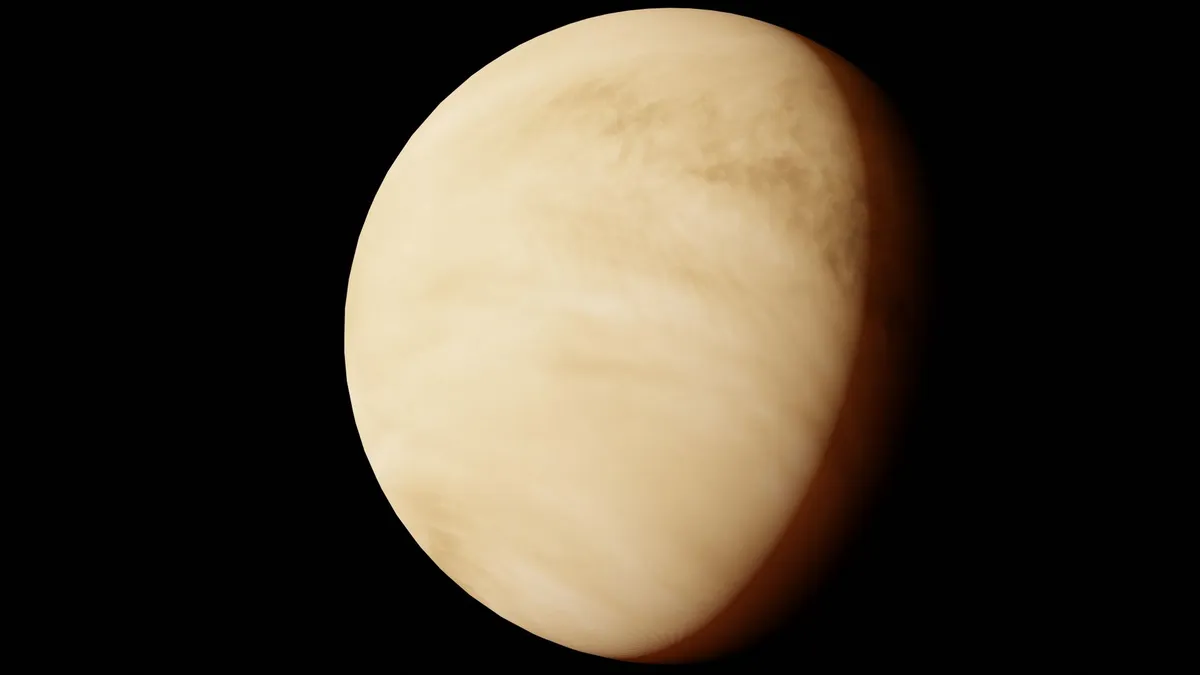
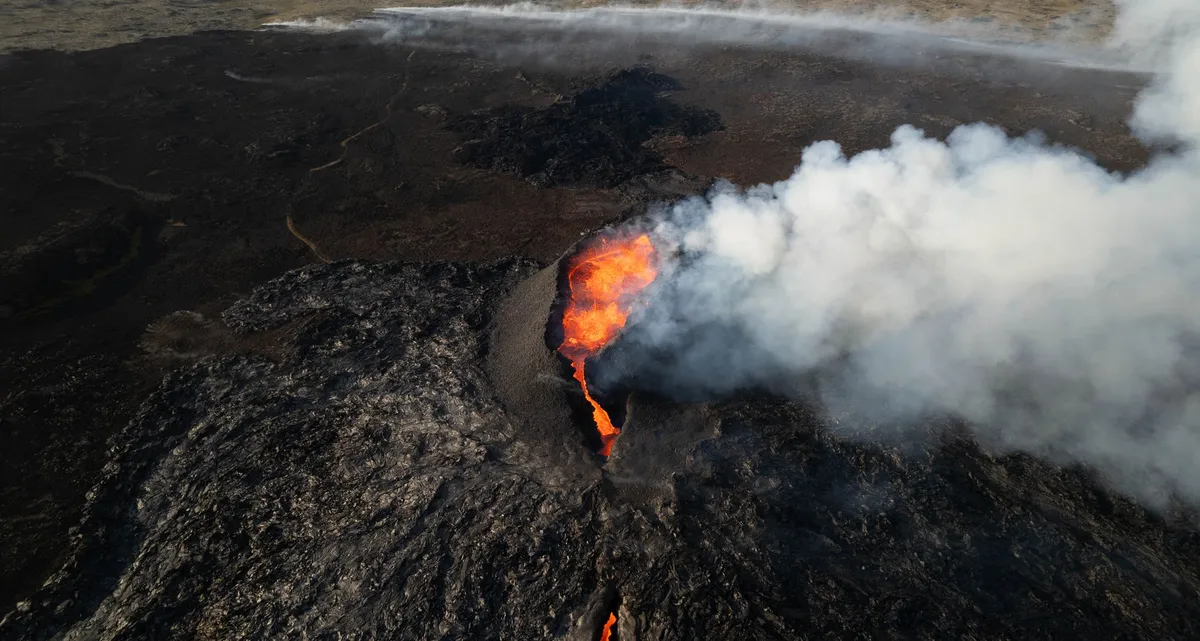
For centuries, scientists have gazed at Venus, our enigmatic neighbor in the solar system, pondering whether it might harbor life. Although no organic life has ever been discovered on this scorching planet, recent research suggests that Venus is very much alive in a geological sense. Groundbreaking studies conducted at the Swiss Federal Institute of Technology in Zurich have uncovered compelling evidence of active volcanoes and recent tectonic movement on the planet's surface, indicating a dynamic geological landscape that could reshape our understanding of not only Venus but also terrestrial planet formation.
Understanding Venusian Geology
The Swiss research team, led by scientists Taras Gerya and Xi Yang, utilized cutting-edge high-resolution 3D modeling software to simulate the surface of Venus with unprecedented clarity. This innovative approach allowed the researchers to identify and analyze rift valleys—lowland regions formed when tectonic plates pull apart. Such valleys are not unique to Venus; they can also be found on Earth, exemplified by the East African Rift and Siberia's Lake Baikal, which is the world's deepest freshwater lake.
On Venus, the researchers identified rift valleys stretching over 6,000 miles, along with associated features known as “rift flanks.” These ridges, which form along the edges of active rift valleys, bear a striking resemblance to geological features on Earth, such as South Africa's Great Escarpment. This finding suggests that despite the stark differences in environmental conditions—Venus has no oceans or breathable atmosphere—there are fundamental geological processes that link the two planets.
Evidence of Recent Geological Activity
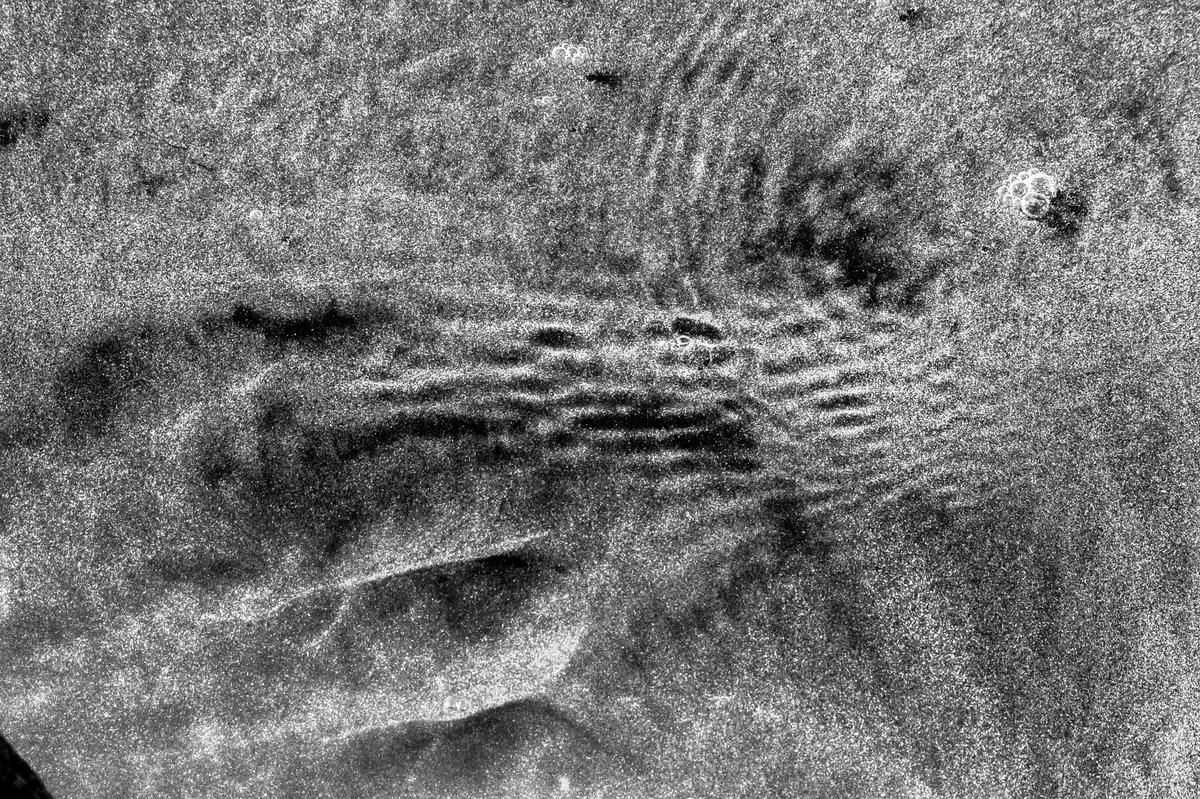
Mapping imagery from NASA's 1989 Magellan probe further supports the Swiss team's findings. The probe’s data revealed relatively recent rift flanks, corroborating the 3D model simulations and reinforcing the notion that Venus is still undergoing geological changes. According to Gerya, these results are crucial for understanding the tectonic activity on Venus, which has been a topic of fascination for planetary scientists.
Crustal Relaxation: A Unique Venusian Phenomenon
One particularly interesting aspect of the research is the observation of “crustal relaxation.” In contrast to Earth, where rift flanks are gradually worn down by erosion, the rift flanks on Venus quickly flatten out after tectonic activity ceases. This suggests a different geological history and erosion process on the planet, potentially due to the harsh conditions created by its thick atmosphere and extreme temperatures.
The Implications for Planetary Science
Understanding that Venus remains geologically active offers valuable insights into the processes that shape terrestrial planets. This research not only enhances our knowledge of Venus but also has broader implications for how we study rocky exoplanets far beyond our solar system. The methodologies developed by the Swiss team could be instrumental in identifying and analyzing similar features on distant worlds.
Future Exploration of Venus
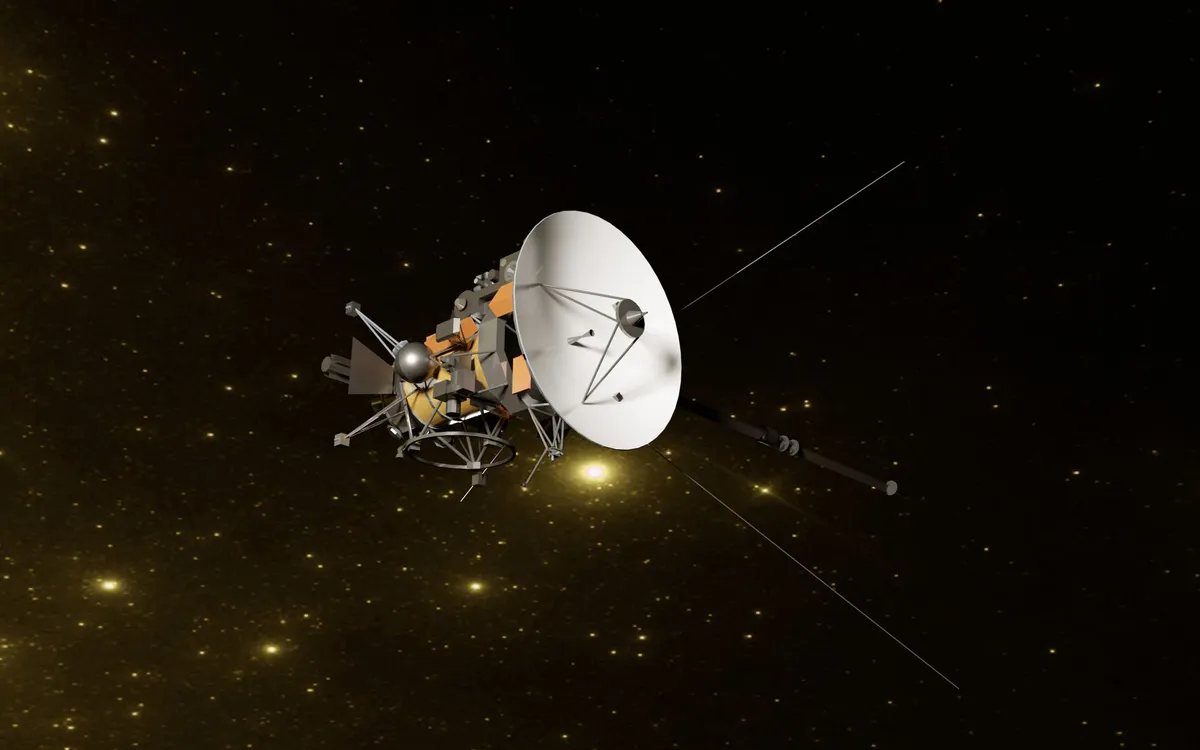
The significance of these findings is underscored by the European Space Agency's plans for an unmanned mission to Venus, scheduled for 2031. This mission aims to conduct an in-depth survey of the planet's surface and atmosphere, potentially unveiling more geological secrets and enhancing our understanding of Venusian history. As we prepare for this exploration, the question remains: what more can we learn about our planetary neighbor?
Key Takeaways
- Geological Activity: Recent studies confirm that Venus is geologically active, with signs of volcanoes and tectonic movement.
- Rift Valleys: The discovery of rift valleys and flanks on Venus parallels geological features on Earth, highlighting similarities in planetary processes.
- Crustal Relaxation: Venusian rift flanks flatten rapidly after tectonic activity, differing from Earth's erosion processes.
- Future Missions: Upcoming explorations, including a 2031 ESA mission, aim to uncover further geological insights about Venus.
Frequently Asked Questions
What are rift valleys, and how do they form?
Rift valleys are geological formations that occur when tectonic plates pull apart, creating lowland areas between elevated regions. The gaps left by the separation are often filled with sediment or liquid, leading to the distinctive valley shapes. On Earth, notable examples include the East African Rift and Lake Baikal. Similar formations have been identified on Venus, suggesting comparable tectonic processes are at work despite the vastly different environmental conditions.
How does Venus' geological activity compare to Earth's?
While both Venus and Earth exhibit geological activity, the nature and consequences of this activity differ significantly. On Earth, tectonic movements lead to a range of outcomes, including earthquakes and volcanic eruptions, influenced by erosion processes that wear down geological features over time. In contrast, Venusian rift flanks flatten quickly post-activity due to crustal relaxation, indicating a unique geological process shaped by its extreme atmospheric conditions.
What is the significance of the upcoming ESA mission to Venus?
The European Space Agency's planned mission to Venus in 2031 is significant as it represents a concerted effort to explore and understand our neighboring planet in greater detail. By surveying Venus' surface and atmosphere, scientists hope to uncover more information about its geological history, which could provide critical insights into the evolution of terrestrial planets, including Earth. This mission could also pave the way for future explorations of rocky exoplanets.
How do these findings influence our understanding of exoplanets?
The methodologies and insights gained from studying Venus' geology can greatly influence how scientists approach the search for and study of exoplanets—planets outside our solar system. By understanding the geological processes on Venus, researchers can establish criteria for identifying similar features on distant planets, helping to determine their potential for habitability and geological activity. This could eventually lead to the discovery of new worlds that share characteristics with our own.
This content is general information and not legal advice.
Comments
Bridging the Legal Experience Gap with Simulation-Based Learning
Simulation-based learning platforms are revolutionizing legal education by providing practical experiences that traditional methods often lack. This article delves into how these innovative tools enhance legal skills and improve career readiness for aspiring lawyers.

Related articles

Popular in Guides
- Lake Mead Reaches Historic Low: Understanding the Impacts of Water Scarcity
- Fires and Ferns: Understanding Ancient Europe's Climate Catastrophe
- Unveiling Hidden Stars: Astronomers Discover Four New White Dwarfs
- Understanding the Impact of Hawaii's Online Booking Fee Tax Ruling
- Navigating South Carolina Rental Property Law: A Comprehensive Guide