Navigating Jury Duty Excusals: What You Need to Know
Understanding how to navigate jury duty excusals is crucial for anyone summoned. This guide details the valid reasons for requesting an excusal, the process involved, and the importance of adhering to court guidelines.
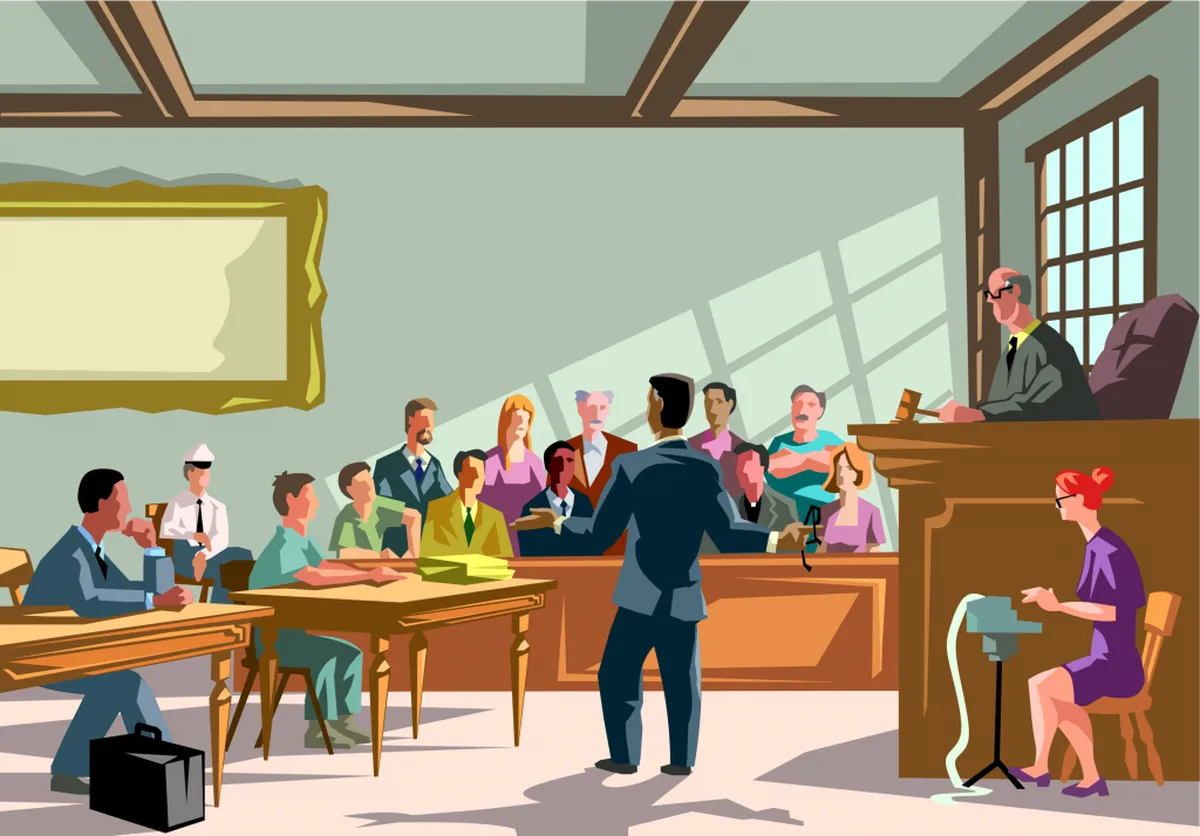
Receiving a jury duty summons can evoke a mix of emotions—anticipation, anxiety, and sometimes, dread. For many, the timing of this civic responsibility can feel impossible, prompting a common question: how can one get excused from serving? Understanding the rules surrounding jury duty excusals is essential for anyone faced with this obligation. Courts do not simply excuse individuals due to inconvenience; rather, they require demonstrable hardships that render service impractical or unjust.
In this article, we will explore the criteria courts consider legitimate grounds for excusal, the process of requesting an excusal or postponement, and why adhering to court protocols is vital. By clarifying these aspects, we aim to empower readers to navigate the often intimidating jury duty process with confidence and clarity.

The Importance of Jury Duty
Jury duty is a fundamental aspect of the American legal system, ensuring that citizens participate in the administration of justice. It is not only a civic duty but also a constitutional right enshrined in the Sixth Amendment. When individuals are summoned, they contribute to a key component of the judicial process—deciding the fate of their peers through impartial judgment.
However, the reality is that not everyone can serve at all times. Various personal circumstances can hinder one’s ability to fulfill this duty. Understanding the acceptable criteria for excusal is crucial for anyone who receives a summons.
Valid Reasons for Jury Duty Excusals
Courts evaluate requests for excusal based on specific criteria. Below are some common reasons that may be deemed valid:
- Medical Issues: Serious health conditions or disabilities can impede one's ability to serve. Courts typically require documentation from a healthcare provider.
- Caregiving Responsibilities: If you are the primary caregiver for a dependent, such as a child or elderly relative, this may be grounds for an excusal.
- Recent Jury Service: If you have served on a jury recently, courts may excuse you from serving again in a short time frame.
- Severe Hardship: Situations that pose financial or emotional hardship, such as active military duty, can qualify for an excusal.
- Other Limitations: Circumstances like travel commitments or critical work obligations can also be considered.

Understanding Postponements vs. Excusals
It's essential to differentiate between an excusal and a postponement. An excusal removes you from service for the current summons, while a postponement allows you to serve at a later date. For many, a postponement may be easier to obtain, especially if the underlying issue is temporary.
Examples of Appropriate Requests
When making a request, ensuring that it aligns with your specific situation is critical:
- If you are scheduled for surgery next week, you might ask for a postponement to a later date.
- Conversely, if you have a chronic illness that will not improve soon, you might request to be excused altogether.
The Process of Requesting an Excusal
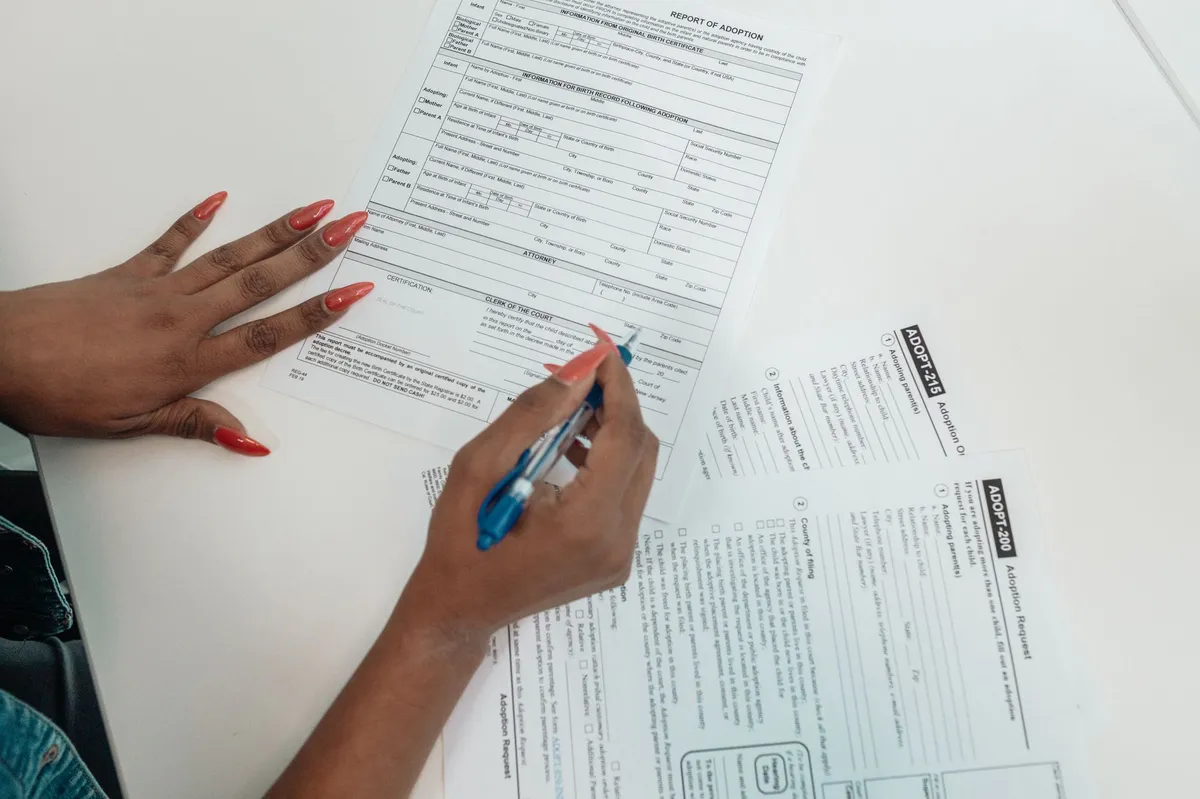
When you receive a jury summons, it typically includes instructions on how to respond, including deadlines and the appropriate channels for submitting requests. Here’s how to navigate this process:
- Read the Summons: Your summons will specify where to send your request and whether it can be submitted online, by mail, or in person.
- Prepare Your Request: Clearly outline your reasons for requesting an excusal or postponement. Include any supporting documentation if necessary.
- Submit Your Request Promptly: Make sure to adhere to any deadlines specified in the summons to avoid penalties.
Consequences of Ignoring a Summons
Failing to respond to a jury summons can lead to more significant legal complications. Courts take this matter seriously, and ignoring a summons may result in:
- A second notice from the court, which may include additional fines.
- Mandatory court appearances that could disrupt your schedule.
- Potential legal repercussions, including contempt of court charges.
Instead of ignoring the summons, it is always better to communicate with the court to find a resolution.

Key Takeaways
- Courts require valid hardships for jury duty excusals, not just inconvenience.
- Common valid reasons include medical issues, caregiving responsibilities, and recent jury service.
- Understand the difference between an excusal and a postponement; tailor your request accordingly.
- Follow the instructions provided in the jury summons diligently to avoid penalties.
- Ignoring a jury summons can lead to legal consequences.
Frequently Asked Questions
Can I simply ignore a jury summons if I can't attend?
Ignoring a jury summons is not advisable. Courts view this as a serious matter and may impose penalties, including fines or mandatory appearances. It is crucial to communicate with the court to address your inability to serve properly.
What documentation do I need to provide for an excusal?
Documentation varies based on the reason for your request. For medical issues, a note from your doctor outlining your condition may be required. For caregiving responsibilities, evidence of your role may also be necessary. Always check the specific requirements outlined in your summons.
How soon should I submit my request for an excusal?
Timeliness is critical. Your summons will indicate a deadline for submitting any requests for excusals or postponements. It is advisable to act as soon as possible upon receiving your summons to ensure compliance with court expectations.
What happens if my request for an excusal is denied?
If your request is denied, you are still required to appear for jury duty. However, you may have the option to appeal the decision or request a different type of accommodation. It is essential to comply with the court's final decision.
This article is for informational purposes only and does not constitute legal advice.
Comments
Popular in Guides
- Lake Mead Reaches Historic Low: Understanding the Impacts of Water Scarcity
- Fires and Ferns: Understanding Ancient Europe's Climate Catastrophe
- Unveiling Hidden Stars: Astronomers Discover Four New White Dwarfs
- Understanding the Impact of Hawaii's Online Booking Fee Tax Ruling
- Navigating South Carolina Rental Property Law: A Comprehensive Guide