Lessons in Judgment from the Family Restaurant Experience
Exploring the hidden lessons in judgment gleaned from running a family restaurant, we delve into the complexities of decision-making and its impact on personal and professional growth.

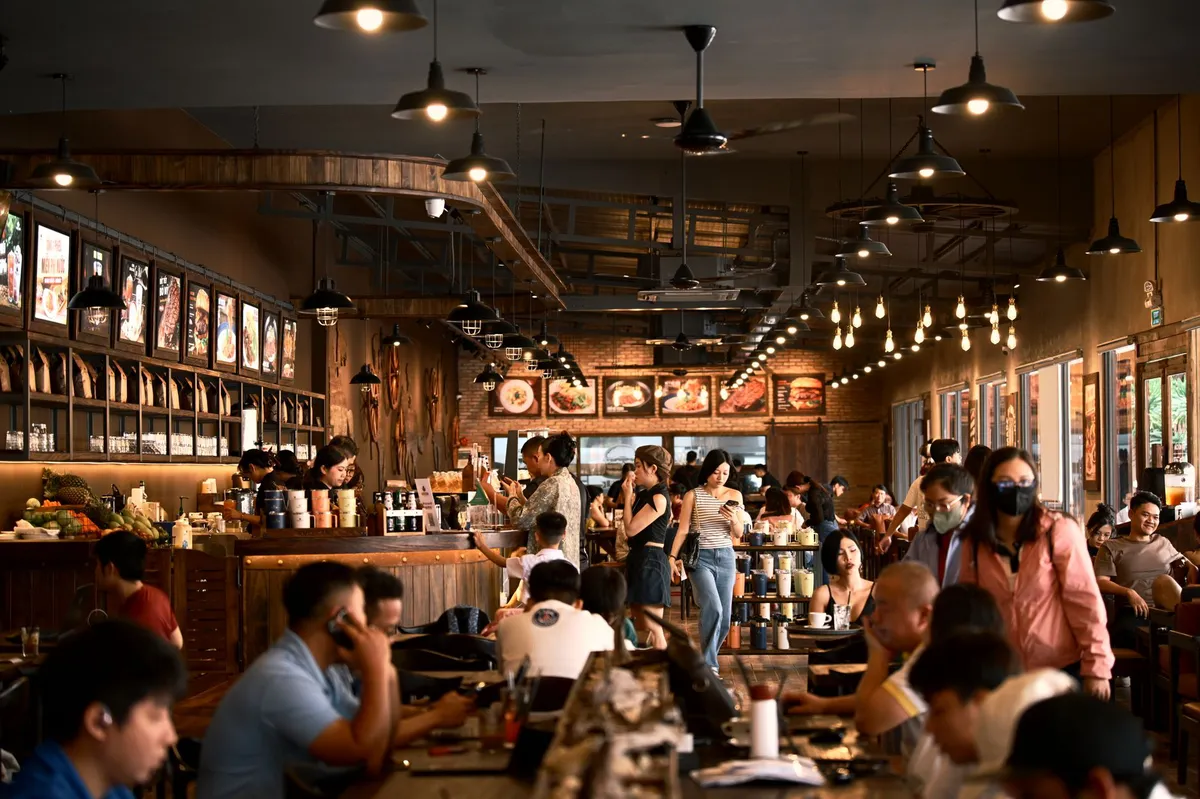
Judgment is a critical skill that shapes our lives and careers, often formed through personal experiences that challenge our perceptions and beliefs. One of the most profound teachers of judgment can be found in the unassuming environment of a family-run restaurant. Here, amidst the clatter of dishes and the hum of conversation, important lessons unfold, revealing how these experiences can influence our decision-making processes both personally and professionally.
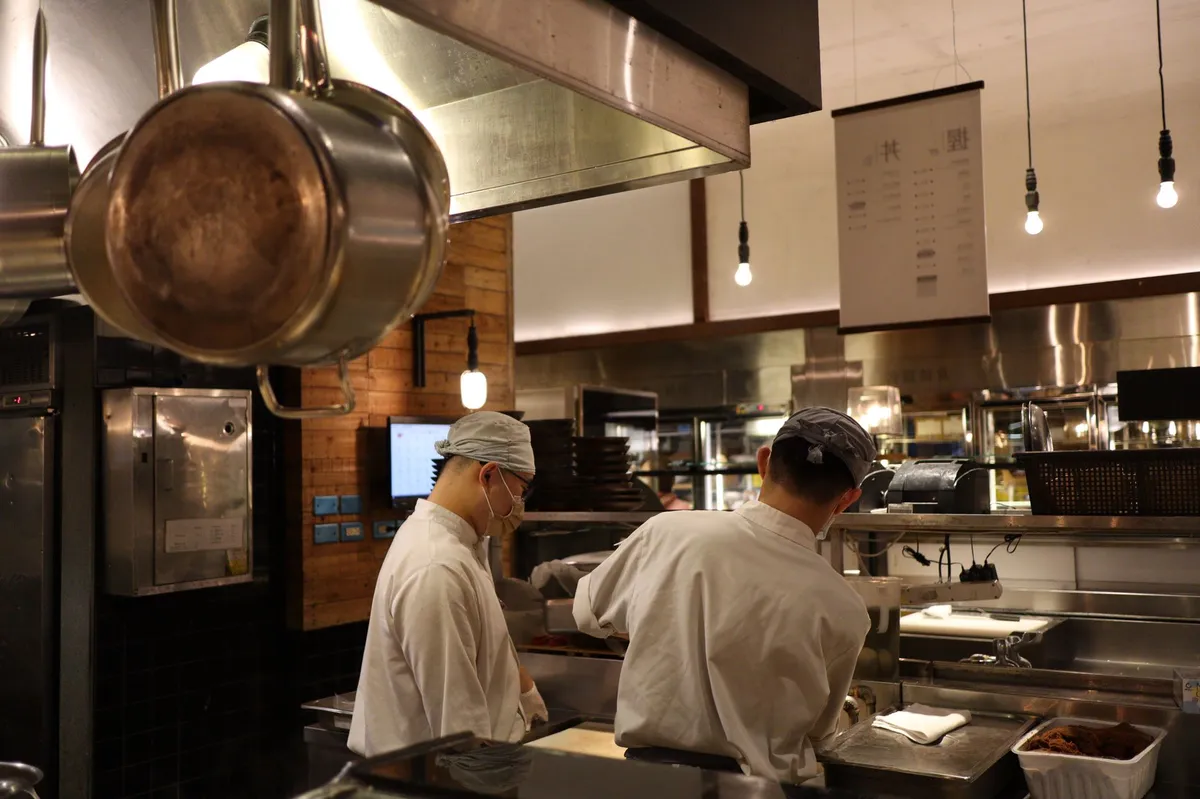
As a young person in my father's restaurant, I learned that every decision, no matter how small, carries weight. The choices made in the kitchen, from menu selections to staffing, directly impacted the restaurant's success. This dynamic opened my eyes to the nuances of judgment, teaching me that effective decision-making involves more than just weighing pros and cons; it requires an understanding of people, situations, and the unpredictable nature of life itself.
Understanding the Complexity of Judgment
Judgment is often seen as a binary decision-making process—right or wrong, yes or no. However, the reality is far more complex. In the restaurant industry, every decision is influenced by a myriad of factors, including customer preferences, health regulations, and economic conditions. This complexity reflects the broader world where decisions must often be made with incomplete information and under pressure.
Interpersonal Skills and Empathy
One of the most significant lessons learned in the restaurant was the importance of interpersonal skills. Interacting with customers, employees, and suppliers requires a level of empathy and understanding. A simple decision, such as how to handle a customer complaint, can lead to vastly different outcomes based on how it is approached. For instance, a sympathetic ear can turn a dissatisfied customer into a loyal one, while a dismissive response can lead to negative reviews and lost business.
The Role of Experience in Shaping Judgment
Experience is a formidable teacher. In the bustling environment of a restaurant, every shift brought new challenges that honed my judgment. Faced with unexpected situations, such as an equipment failure or a sudden rush of customers, I learned to rely on my instincts and past experiences. This adaptability is crucial in any field; the ability to make quick, informed decisions can be the difference between success and failure.
Learning from Mistakes
Failure is often regarded as a negative outcome, but in the restaurant business, mistakes can provide the most valuable lessons. A poorly received dish or a staffing miscalculation serves as a direct feedback loop that sharpens judgment. Understanding why a decision didn’t work out fosters growth and helps to inform future choices. This iterative process of learning from mistakes is essential for personal and professional development.
- Empathy and understanding: Key to customer relations and employee interactions.
- Adaptability: Critical for navigating unexpected challenges.
- Learning from feedback: Mistakes serve as powerful lessons.
- Experience matters: Each situation builds a foundation for better judgment.
Building Resilience Through Judgment
The restaurant environment is inherently unpredictable, and this unpredictability builds resilience. Learning to navigate the ups and downs of the business can help develop a thick skin and a steadfast approach to judgment. Resilience not only aids in overcoming immediate challenges but also prepares individuals for future uncertainties, fostering a mindset that embraces change and innovation.
Decision-Making Under Pressure
In a restaurant, pressures mount quickly during peak hours. The ability to make swift decisions can determine the success of the night. This high-stakes environment trained me to prioritize effectively and make decisions based on available information, even when time is limited. This skill is invaluable in any career, where critical decisions often need to be made swiftly.
Applying Restaurant Lessons to Broader Life
The lessons learned in a family restaurant extend far beyond the kitchen. They serve as a microcosm for life’s broader challenges, where judgment plays a pivotal role. Whether it’s in personal relationships, workplace dynamics, or community involvement, the ability to make thoughtful decisions can lead to more meaningful interactions and outcomes.
Translating Skills to Professional Environments
The skills developed in a restaurant setting—communication, adaptability, and resilience—are transferable to any professional environment. Employers value individuals who can think on their feet and handle pressure gracefully. By reflecting on the experiences gained in a family restaurant, one can approach professional challenges with a unique perspective that combines empathy and practical judgment.
Key Takeaways
- Judgment is nuanced: It involves understanding complex situations and people.
- Empathy is essential: It enhances relationships and customer interactions.
- Experience shapes decisions: Each challenge provides a learning opportunity.
- Resilience builds strength: Navigating unpredictability fosters adaptability.

Frequently Asked Questions
How can I improve my judgment in decision-making?
Improving judgment in decision-making involves a combination of experience, reflection, and empathy. Actively seek feedback from others, learn from past mistakes, and approach situations with an open mind. Engaging in discussions with diverse perspectives can also enhance your understanding and refine your judgment.
What role does empathy play in effective decision-making?
Empathy is crucial for understanding others' perspectives, which can significantly influence decision-making. By considering how your choices affect others, you are more likely to make thoughtful and inclusive decisions that foster positive relationships and outcomes.
How can restaurant experiences translate to other careers?
Skills acquired in the restaurant industry, such as communication, problem-solving, and adaptability, are highly sought after in many fields. The fast-paced environment of a restaurant teaches individuals how to handle pressure, work as part of a team, and interact with diverse groups, all of which are valuable in any professional setting.
What are the most important lessons from running a family restaurant?
Key lessons from running a family restaurant include the importance of empathy, the value of adaptability, the necessity of learning from mistakes, and the significance of resilience. Each of these elements contributes to a well-rounded approach to judgment and decision-making that can benefit both personal and professional lives.
This article provides general information and should not be considered legal advice.
Comments
Navigating Estate Planning in Second Marriages: Essential Insights
Second marriages bring joy but also legal complexities in estate planning. This article explores how to effectively navigate these challenges to protect your family's future.

Related articles
Popular in Guides
- Lake Mead Reaches Historic Low: Understanding the Impacts of Water Scarcity
- Fires and Ferns: Understanding Ancient Europe's Climate Catastrophe
- Unveiling Hidden Stars: Astronomers Discover Four New White Dwarfs
- Understanding the Impact of Hawaii's Online Booking Fee Tax Ruling
- Navigating South Carolina Rental Property Law: A Comprehensive Guide