The Mediterranean Sea: A Warning Signal for Global Ocean Changes
Recent research indicates that the Mediterranean Sea is warming and becoming saltier at an alarming rate, serving as an early warning for larger oceanic changes due to climate change. This article delves into the implications of these findings and how they affect marine ecosystems and global climate models.
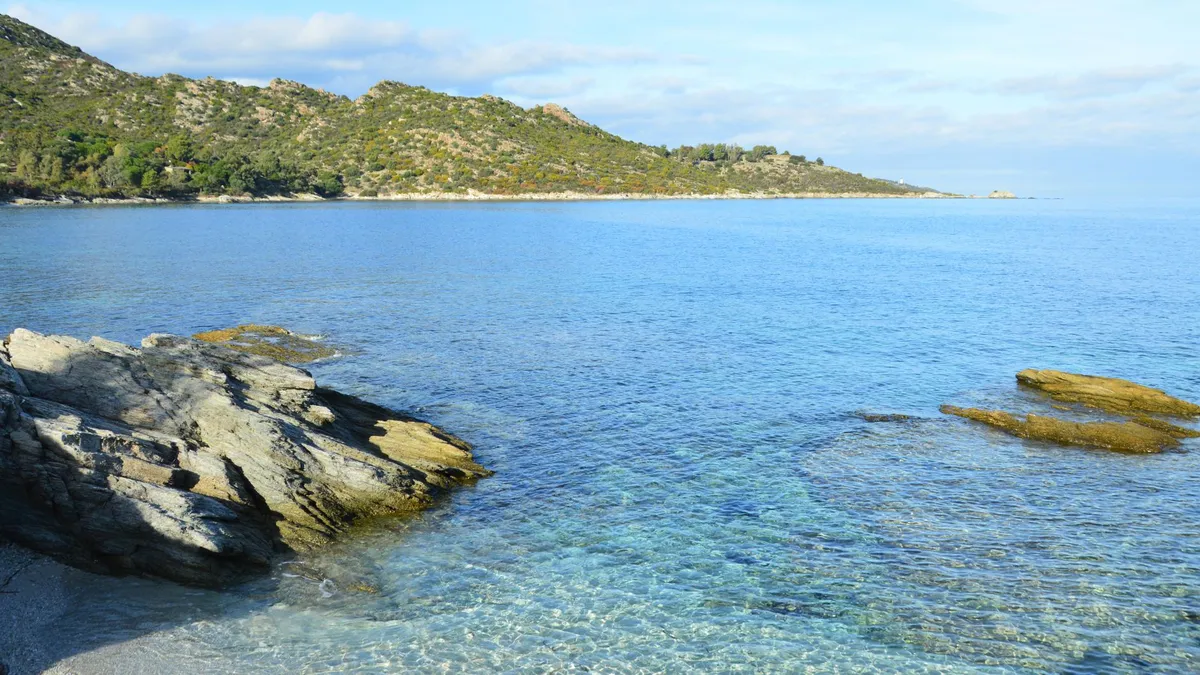
The Mediterranean Sea, known for its picturesque coastlines and rich biodiversity, is undergoing significant transformations that serve as a bellwether for broader oceanic changes in response to climate change. Recent studies have shown that the Mediterranean is warming and becoming saltier at alarming rates, with evidence suggesting that these changes reach depths far below the surface. As the climate crisis intensifies, understanding the nuances of these changes is critical not only for the Mediterranean region but also for the entire planet.
Researchers from the Ruđer Bošković Institute have conducted a comprehensive analysis of temperature and salinity data collected over 75 years, revealing a concerning trend. The study highlights that since the year 2000, surface waters in the Mediterranean have warmed by approximately 0.5 degrees Celsius per decade—an increase that is two to three times faster than the global average for ocean surface temperatures. This rapid warming is not merely a surface phenomenon; it extends to depths of up to 4,000 meters in some areas, indicating profound changes occurring in the sea's stratification.

Understanding the Depths of Change
Elena Terzić, a physical oceanographer and the lead author of the study, emphasizes that the Mediterranean offers an unprecedented opportunity to observe how marine environments respond to climate change on a timescale that is relevant to human observation. The findings indicate that warming and salinification are statistically significant down to depths of about 3,000 to 4,000 meters, and the rate of change reaches down to about 2,500 meters. This depth of impact suggests that the changes are not limited to surface-level phenomena but extend to crucial aspects of ocean circulation.
The Dynamics of Temperature and Salinity
The interplay between temperature and salinity is fundamental to understanding seawater density, which in turn affects deep-sea circulation. In the Mediterranean, warmer waters become less dense and rise to the surface, while saltier waters are heavier and tend to sink. This dynamic is crucial for maintaining the health of marine ecosystems, as it drives the mixing of nutrients and oxygen throughout the water column.
In the Adriatic Sea, a unique situation arises where cold winter winds contribute to the density of surface waters, allowing them to sink. However, the increasing salinity—coupled with rising temperatures—has created an altered environment in which the water that sinks is now warmer and saltier than in previous decades. This shift could have far-reaching implications for marine life and the overall health of the Mediterranean ecosystem.

Implications for Marine Ecosystems
The rising temperatures and salinity levels in the Mediterranean are not just scientific curiosities; they pose real threats to marine biodiversity. Warmer waters hold less oxygen, which could lead to declines in marine species that depend on sufficient oxygen levels in their habitats. Furthermore, as the temperature continues to rise, marine species seeking cooler environments may find themselves with fewer options, potentially leading to shifts in biodiversity and the health of marine ecosystems.
- Surface waters in the Mediterranean have warmed about 2 degrees Celsius since 1950.
- Deep waters in the southern Adriatic have increased in temperature at a rate six times faster than typical Mediterranean basins.
- Salinity levels are also rising, impacting water density and circulation.
- Warm water species may be forced to migrate, leading to shifts in local marine biodiversity.
Future Research Directions
As the Mediterranean continues to serve as a microcosm for observing oceanic changes, researchers are keen to identify the driving forces behind the acceleration of these trends. Terzić and her colleagues aim to determine whether existing climate models are adequately capturing the speed of these changes. The Mediterranean's relatively small size allows researchers to study its responses to climate change in real-time, offering valuable insights that could inform broader oceanic models.
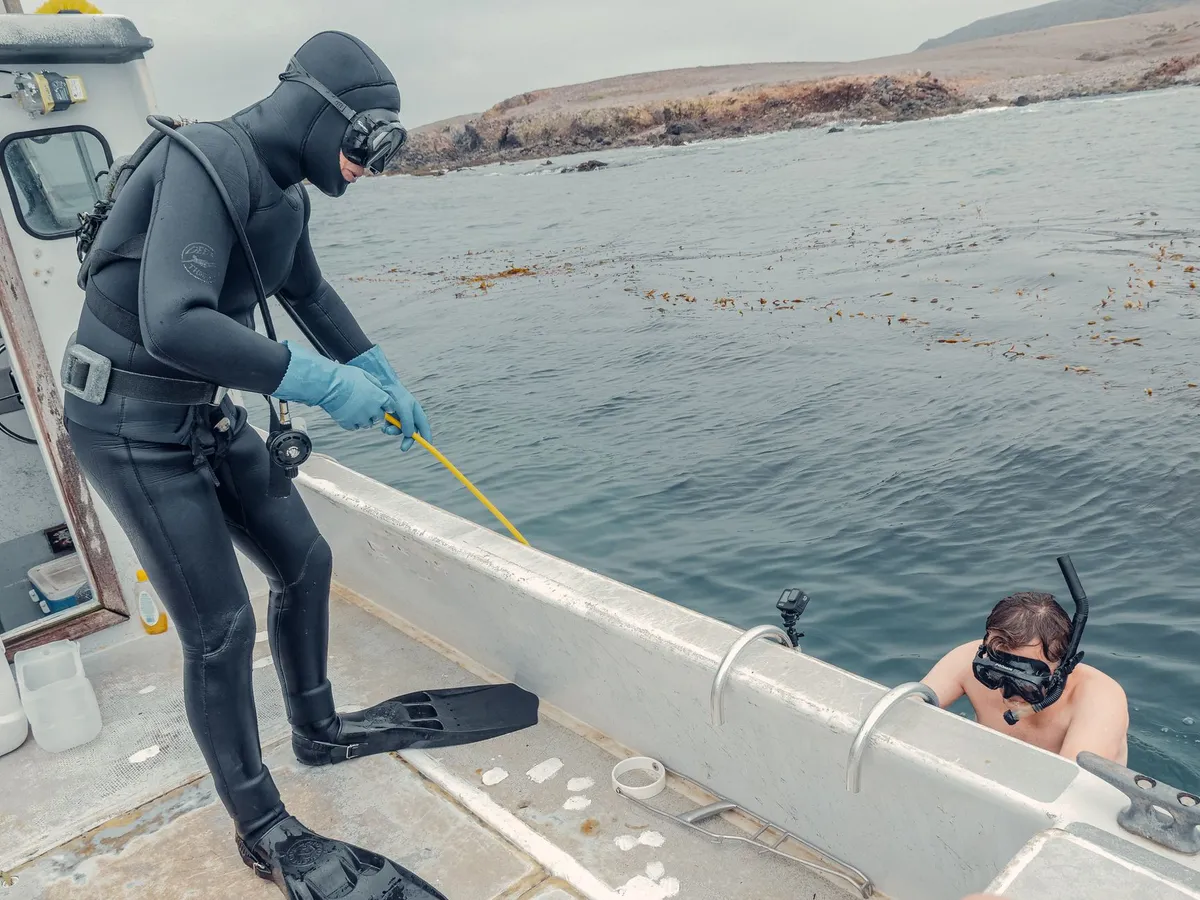
Climate Change and the Global Ocean
The implications of the Mediterranean's changes extend far beyond its waters. As one of the most monitored bodies of water, the Mediterranean Sea acts as an early warning system for larger ocean basins. The rapid changes observed in this region could foreshadow similar phenomena occurring in the world's major oceans, which cover vast areas and are less accessible for research.
The findings underscore the urgent need for global action to mitigate climate change, especially as Terzić warns that the unprecedented changes seen in the Mediterranean could persist as long as economies continue to rely heavily on fossil fuels. Addressing these issues is critical not only for the Mediterranean region but also for global marine health and environmental sustainability.
Key Takeaways
- The Mediterranean Sea is warming and becoming saltier at unprecedented rates.
- Changes in temperature and salinity are affecting deep-sea circulation and marine ecosystems.
- Research indicates that these changes could provide early warnings for larger oceanic shifts.
- Urgent action is needed to address climate change and its impacts on marine environments.
Frequently Asked Questions
What are the main findings of the recent Mediterranean study?
The study reveals that the Mediterranean Sea is experiencing significant warming and salinification, with temperature increases reaching depths of about 4,000 meters. The surface waters have warmed by approximately 0.5 degrees Celsius per decade since 2000, which is alarming when compared to global averages. Researchers emphasize that these changes could have severe consequences for marine life and oceanic circulation.
How does the warming of the Mediterranean Sea affect marine ecosystems?
Warming waters hold less oxygen, which can lead to declines in species that rely on these oxygen levels. Additionally, as marine species seek cooler environments, they may face limited habitats due to the rapid warming of the Mediterranean. These shifts could disrupt local ecosystems, affecting biodiversity and the overall health of marine environments.
What steps can be taken to mitigate these changes?
Addressing climate change is crucial for mitigating the impacts observed in the Mediterranean Sea. This includes reducing reliance on fossil fuels, enhancing marine conservation efforts, and increasing public awareness about the importance of healthy oceans. Collaborative international efforts are essential to implement effective policies and practices that protect marine ecosystems and contribute to the overall sustainability of ocean health.
What role does the Mediterranean play in understanding global climate change?
The Mediterranean acts as a microcosm for studying changes in ocean behavior due to its smaller size and the speed of observed changes. As researchers monitor this region, they can gain insights that may predict shifts occurring in larger ocean systems. The rapid changes observed in the Mediterranean serve as a critical warning for similar dynamics that may unfold in the world’s major oceans.
Disclaimer: This content is general information and not legal advice.
Comments
Popular in Guides
- Lake Mead Reaches Historic Low: Understanding the Impacts of Water Scarcity
- Fires and Ferns: Understanding Ancient Europe's Climate Catastrophe
- Unveiling Hidden Stars: Astronomers Discover Four New White Dwarfs
- Understanding the Impact of Hawaii's Online Booking Fee Tax Ruling
- Navigating South Carolina Rental Property Law: A Comprehensive Guide