Reflections on 9/11: Justice Kavanaugh's Insights and Legacy
Justice Brett Kavanaugh reflects on the events of September 11, 2001, discussing the impact of the attacks on America’s psyche and the subsequent War on Terror, emphasizing unity over division.
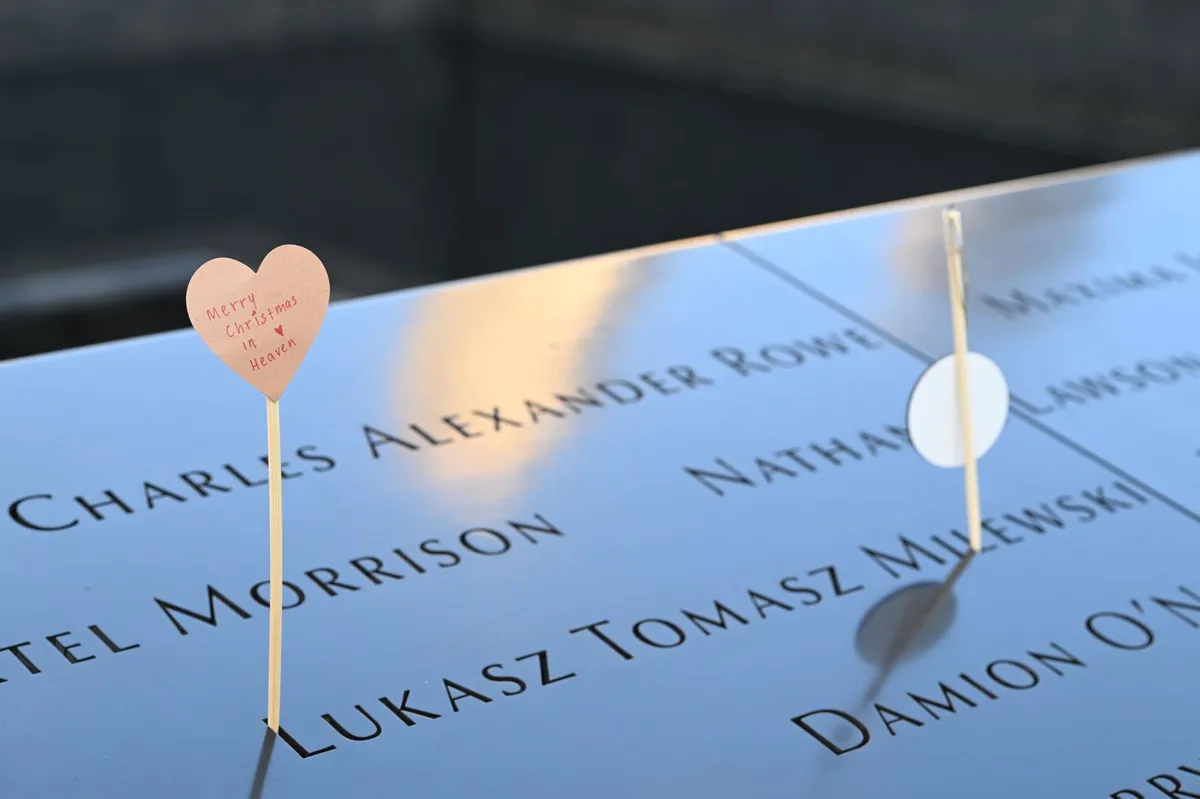
As the nation pauses to reflect on the 25th anniversary of the September 11 attacks, Justice Brett Kavanaugh, a prominent figure in American jurisprudence and a witness to that fateful day, shared his insights at the University of Notre Dame. His reflections not only provide a personal account of the chaos that enveloped the nation but also underscore the evolution of American values and the ongoing implications of the War on Terror.
Kavanaugh, who served as a deputy assistant to President George W. Bush in the White House at the time of the attacks, emphasized the shifts in American mindset that followed the tragedy. He articulated that the events of 9/11 transformed the country’s approach to national security, fostering a resolve to confront threats that might emerge abroad before they could reach the homeland. His comments offered a nuanced defense of the U.S. military interventions in Afghanistan and Iraq, suggesting that while mistakes were made, there were also significant lessons learned about unity and resilience.
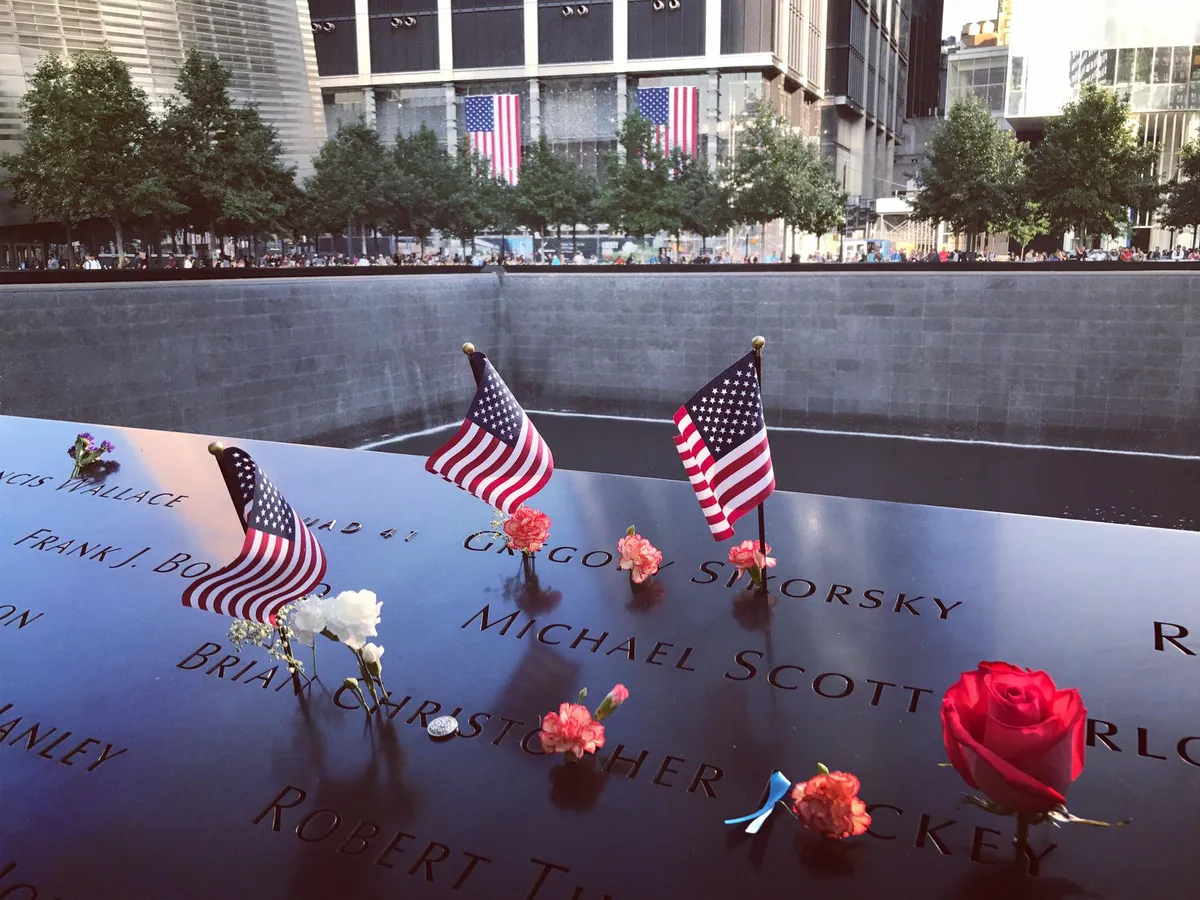
The Immediate Aftermath of 9/11
Kavanaugh recounted his personal experiences during the attacks, emphasizing the palpable fear and confusion that marked the day. He described the frantic moments inside the White House as staff members sought shelter after the planes struck the Twin Towers. His recollections included the harrowing commands from Secret Service agents and the surreal experience of watching the towers collapse from a distance, underscoring a collective sense of disbelief that such an event could occur in America.
“I don’t forget much from that day,” Kavanaugh shared. “Seared in my memory is the Secret Service agent saying, ‘Run, sprint, ladies, take off your heels and sprint.’” This vivid imagery encapsulates the urgency and panic of that day, which would lead to a significant shift in American policy and public consciousness.
Resilience and Unity
In the wake of the attacks, Kavanaugh noted a powerful sentiment of unity that emerged across the nation. He recalled President Bush’s symbolic first pitch at the World Series in Yankee Stadium, an act that served as a rallying cry for Americans. “One of the things that comes out of September 11 is this grief, anger, and resolution, but also unity,” Kavanaugh remarked. This unity was expressed through communal chants of ‘USA, USA’ and the collective determination to respond to the threat posed by al-Qaida.

The War on Terror and Its Legacy
Justice Kavanaugh defended the decision to launch military operations in Afghanistan and Iraq, arguing that each intervention had distinct motivations and objectives. He cautioned against conflating the two, emphasizing the necessity of understanding the unique context of each military action. While acknowledging the complexity and the controversies surrounding these wars, he insisted that the core values of the United States were at stake.
“They hate our values. They hate our freedom of religion. They hate our freedom of speech,” Kavanaugh stated, highlighting the ideological battle that underscored the War on Terror. For him, the fight was not merely about military might but about preserving the foundational principles that define the American identity.
Lessons for Future Generations
During the panel discussion, Kavanaugh urged the students in attendance—many of whom were not yet born when the attacks occurred—to engage with the history and lessons of that day. He encouraged them to explore resources, including President Bush’s speeches in the aftermath of the attacks, to grasp the emotional and historical significance of the events. His call to action reflects a broader responsibility to remember and learn from history, ensuring that the values of resilience and unity endure.

Reflections on Leadership
Kavanaugh praised President Bush’s leadership during a time of national crisis, noting that he successfully communicated a message of strength and resolve. “If another attack had happened, they would say, ‘Bush, why didn’t you stop it?’” Kavanaugh explained, recognizing the immense pressure on leaders during such turbulent times. He lauded Bush's commitment to safeguarding the nation and his enduring legacy in shaping U.S. responses to terrorism.
Justice Kavanaugh's reflections offer a multifaceted perspective on 9/11, capturing the immediate chaos, the subsequent drive for unity, and the complex legacy of the War on Terror. His insights serve as a reminder of the need for vigilance in preserving national values while also acknowledging the importance of unity in the face of adversity.
Key Takeaways
- Transformative Impact: 9/11 changed the American mindset towards national security.
- Unity Over Division: Kavanaugh emphasized the importance of national unity in the aftermath of the attacks.
- Distinct Military Actions: There is a need to differentiate between the Afghanistan and Iraq interventions.
- Lessons for the Future: Engaging with history is crucial for future generations to understand the significance of 9/11.
- Leadership in Crisis: Kavanaugh praised President Bush’s leadership during a time of national tragedy.
Frequently Asked Questions
What were the main themes of Justice Kavanaugh's reflections on 9/11?
Justice Kavanaugh's reflections centered around themes of unity, resilience, and the need to confront threats abroad. He highlighted how the events of September 11 transformed American attitudes towards security and emphasized the importance of remembering the lessons learned from that day.
How did Kavanaugh describe the atmosphere in the White House during the attacks?
Kavanaugh described a chaotic atmosphere in the White House, marked by urgency and fear. He recounted the frantic moments when staff were advised to evacuate, as well as the surreal experience of watching the Twin Towers collapse from a distance, which left a profound impact on him and his colleagues.
What advice did Kavanaugh give to students regarding historical engagement?
Kavanaugh encouraged students to engage with the history of September 11 by exploring various resources, including President Bush’s speeches following the attacks. He emphasized the importance of understanding the emotional significance of the day and the lessons learned for future generations.
How did Kavanaugh view President Bush's leadership post-9/11?
Kavanaugh viewed President Bush's leadership as a critical factor in navigating the national crisis following the attacks. He praised Bush for successfully conveying a message of strength and resolve, which was essential in fostering unity and reassuring the American public during a time of uncertainty.
Disclaimer: This content is general information, not legal advice.
Comments
Empowering Youth: Hanna Lindsay Joins Big Brothers Big Sisters Sarasota Advisory Board
Hanna M. Lindsay has been appointed to the Sarasota Advisory Board of Big Brothers Big Sisters of the Sun Coast, reflecting her commitment to mentorship and youth development. Her journey from Teen Court volunteer to legal professional showcases the impact of community service.

Related articles
Popular in Guides
- Lake Mead Reaches Historic Low: Understanding the Impacts of Water Scarcity
- Fires and Ferns: Understanding Ancient Europe's Climate Catastrophe
- Unveiling Hidden Stars: Astronomers Discover Four New White Dwarfs
- Understanding the Impact of Hawaii's Online Booking Fee Tax Ruling
- Navigating South Carolina Rental Property Law: A Comprehensive Guide