Why Foreign Professionals Are Flocking to Armenia: A Guide to Immigration Law
Armenia is becoming an attractive destination for foreign professionals. This article explores the reasons behind this trend, the immigration process, and key legal considerations for newcomers.

In recent years, Armenia has emerged as an unexpected hotspot for foreign professionals seeking new opportunities, particularly in the tech sector. With its stunning landscapes, affordable living, and a rapidly growing expatriate community, Yerevan, the capital, is becoming a second home for many from around the globe. As remote work becomes the norm, especially after the global upheaval of 2022, the once-quiet streets of Yerevan are now buzzing with software engineers from Buenos Aires, digital marketers from Berlin, and entrepreneurs from Beirut. But while many are drawn to this vibrant city for its lifestyle and community, the question of immigration remains paramount: how can you legally reside and work in Armenia?
Armenia's immigration framework is known for being more approachable compared to many other countries, yet it is also subject to change. Recent reforms set to take effect in November 2026 will introduce significant updates to the residence permit system, creating both opportunities and challenges for newcomers. This article delves into the reasons behind Armenia's growing appeal, the intricacies of its immigration laws, and what potential expatriates need to know to navigate this evolving landscape smoothly.
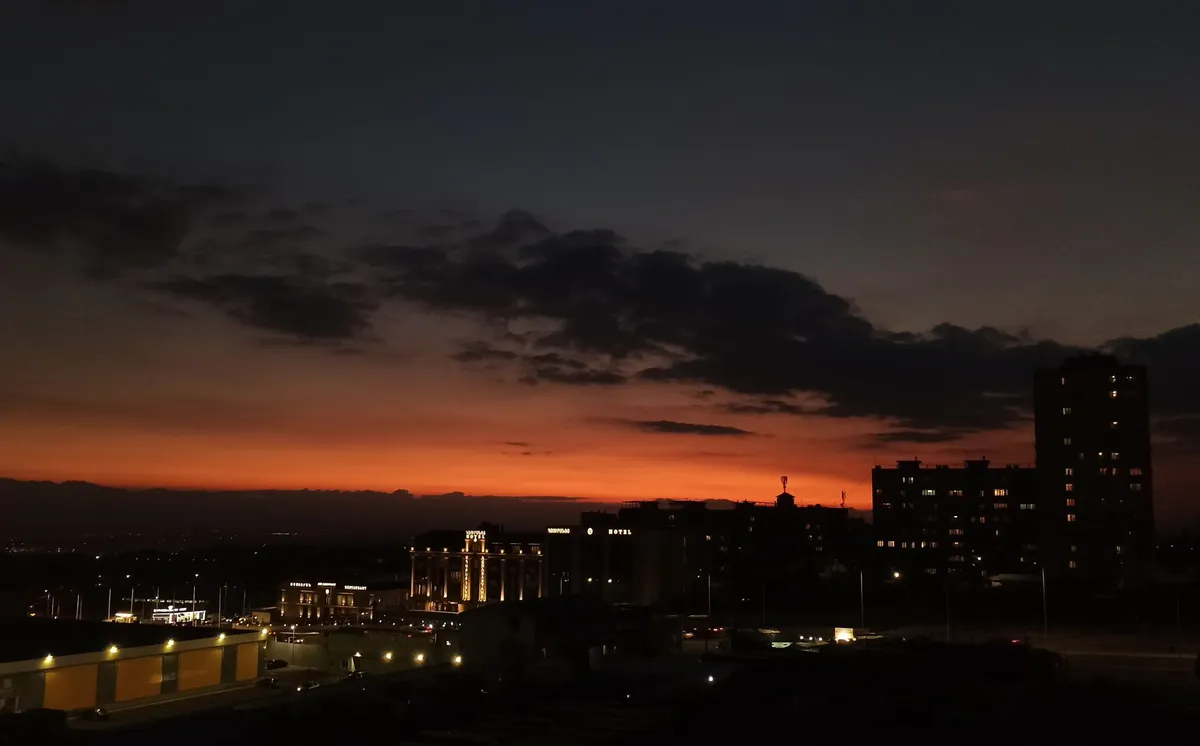
Why Armenia Is Attracting Foreign Professionals
The influx of foreign professionals into Armenia is not solely due to an accommodating immigration system; various factors contribute to this migration trend. Here are some key elements that make Armenia an attractive destination:
- Affordable Cost of Living: A one-bedroom apartment in central Yerevan costs significantly less than comparable accommodations in major Western cities like Berlin or Dubai.
- Language Accessibility: Although Armenian is the official language, English and Russian are widely spoken in business, making communication easier for expatriates.
- Growing Tech Ecosystem: Armenia has cultivated a robust IT sector, making it increasingly common for companies to hire foreign talent. The local job market is becoming more familiar with diverse backgrounds.
- Strong Diaspora Connection: With one of the largest diasporas relative to its population, many ethnic Armenians are returning to their roots, often infusing a personal connection to their professional endeavors.
However, the allure of this vibrant environment can quickly turn complicated when the realities of immigration law come into play. While tourists can enter Armenia visa-free for up to 180 days, this privilege does not extend to employment. Many newcomers mistakenly believe they can work while on a tourist visa, only to find themselves facing legal challenges.

Navigating the Residence Permit System
Armenia currently offers three types of residence permits, each with its own stipulations and duration:
1. Temporary Residence Permit: Generally issued for one year, this permit is suitable for individuals coming to work, study, or join family members.2. Permanent Residence Permit: Available after residing in Armenia for a certain period (usually two years), this permit allows for indefinite stay and work.
3. Special Residence Permit: Designed for specific circumstances, such as investment or special skills in high demand, this permit varies in duration.
Each category requires a series of documents, including a valid passport, proof of purpose (employment contracts, admission letters, etc.), a police clearance certificate from the applicant's home country, and documents that must be properly apostilled and translated into Armenian. One of the most common reasons for application delays is incomplete or improperly legalized files.
Processing times are relatively efficient, with a residence card typically issued within a month, provided all documentation is in order. However, applicants should be prepared for potential delays, especially if background checks flag any issues.
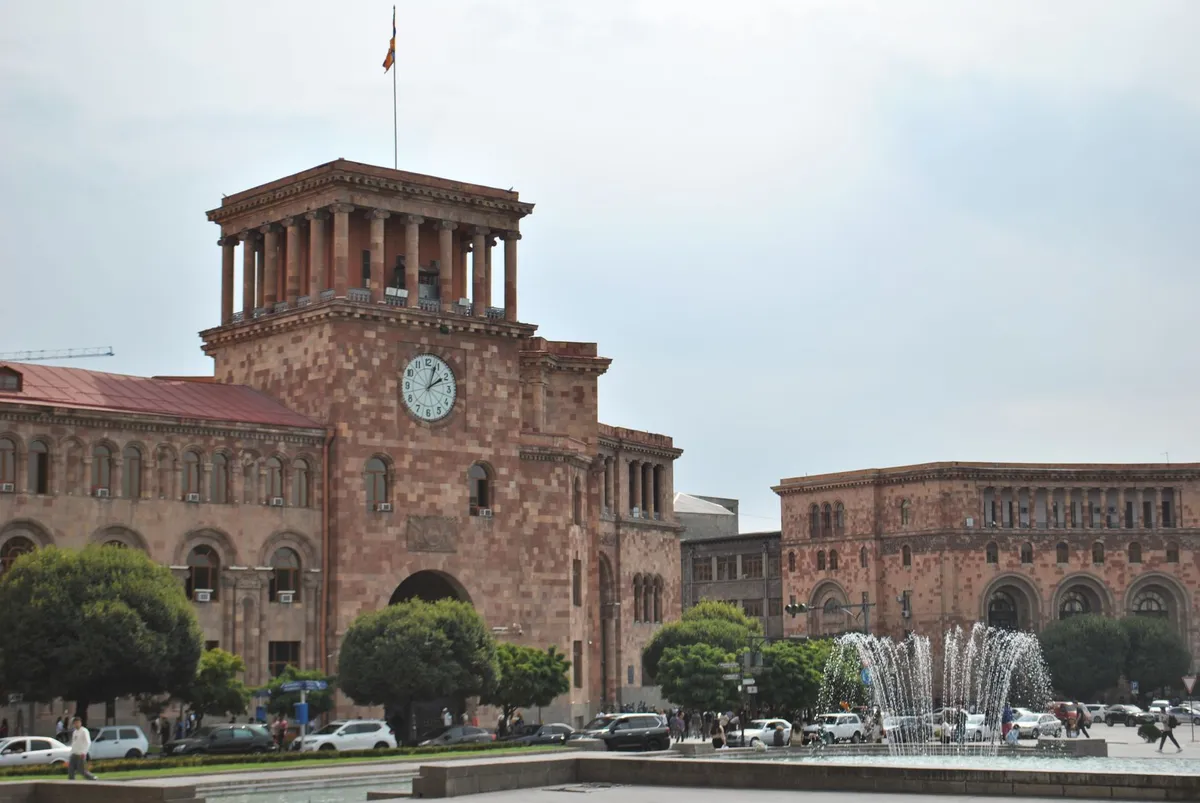
Understanding Work Authorization
A crucial aspect of living in Armenia is understanding the distinction between residence and work rights. Holding a residence permit does not automatically grant the right to work. Most foreign workers must apply for a combined residence and work permit through an online government platform. This process is usually initiated by the employer, who must demonstrate that no qualified Armenian citizen is available for the role.
- The labor-market test requirement has been removed, simplifying the application process.
- There is now an annual quota for work permits, which means timing is more critical than ever.
- Certain professionals, like company founders, executives, and specialists in fields such as IT, may be exempt from the work permit requirement.
- Remote workers for foreign companies still need to comply with Armenian tax and registration laws.
Newcomers often misinterpret their eligibility for exemptions or believe that working remotely for a foreign employer exempts them from local regulations. Therefore, detailed attention to the application process is vital to avoid complications.
Implications of the Upcoming Reforms
The reform set to take effect in November 2026 represents one of the most significant changes to Armenia's immigration framework in years. While the government has framed these updates as a means of digitization and simplification, they will introduce a quota system that could create new challenges for potential applicants. This shift means that employers must act promptly when filing work permit applications to avoid competing for a limited number of slots.
For individuals already settled in Armenia, understanding these changes is crucial for permit renewals and future applications. Missteps in the application process can lead to costly delays and frustrations. Working with an immigration lawyer can be particularly beneficial, as they can provide insights into potential pitfalls and help navigate the complexities of each case.
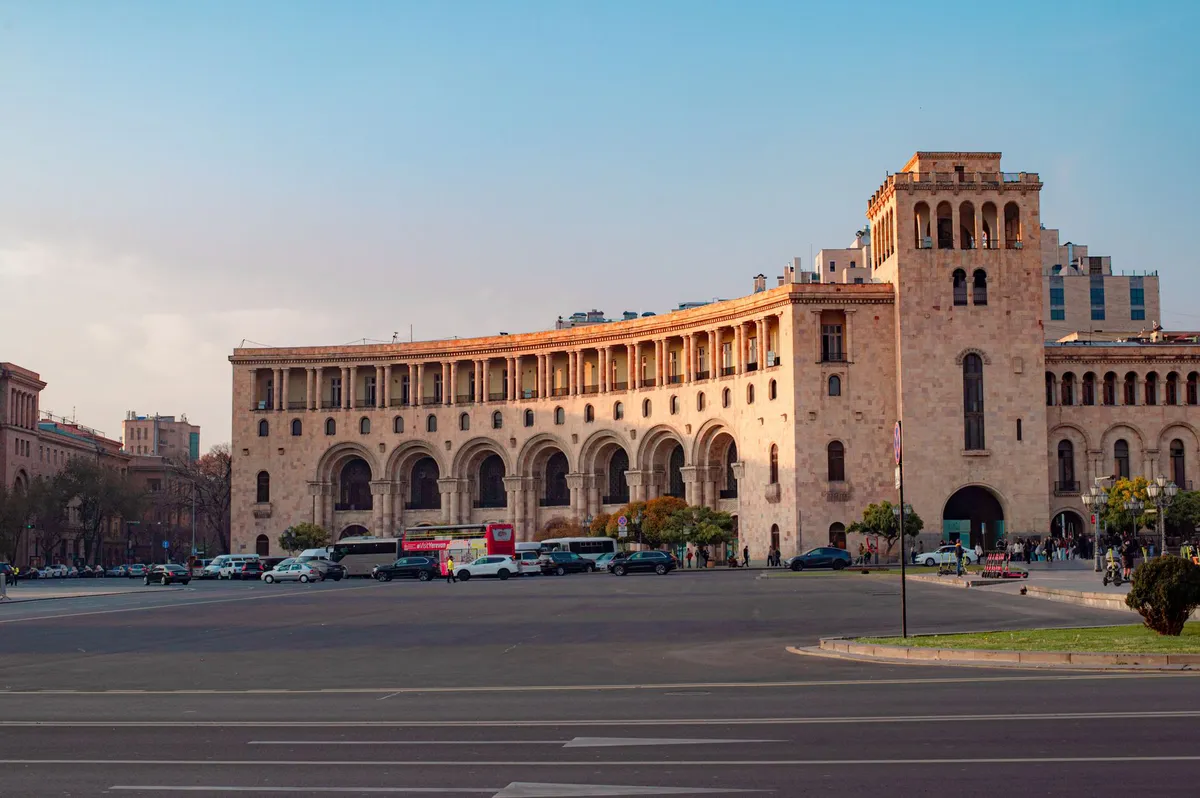
Building a Life Beyond Bureaucracy
Once the legal aspects are sorted, many newcomers find that adjusting to life in Armenia is less about bureaucracy and more about ordinary challenges related to relocation. These include learning basic Armenian phrases to navigate daily tasks, such as shopping or banking, and finding services that accommodate international needs.
Despite these challenges, many expatriates report a sense of community and support in Armenia. The local culture tends to reward patience, and a well-prepared residence application often moves through the system rather than languishing in red tape. Many professionals who initially intended to stay for a short period now find themselves renewing their permits year after year, drawn by the country's unique charm and opportunities.
Key Takeaways
- Armenia offers a welcoming environment for foreign professionals, especially in the tech sector.
- Understanding the immigration process is crucial to avoid legal pitfalls.
- Upcoming reforms will introduce quotas for work permits, making timely applications essential.
- Engaging an immigration lawyer can streamline the process and increase the likelihood of success.
- Life in Armenia can be rewarding, with a supportive community and an affordable cost of living.
Frequently Asked Questions
What are the primary residence permit types available in Armenia?
Armenia offers three primary types of residence permits: temporary, permanent, and special residence permits. Each type serves different purposes and has varying durations, but all require necessary documentation, including proof of purpose and a police clearance certificate.
Do I need a work permit if I work remotely for a foreign company while living in Armenia?
Yes, even if you are working remotely for a foreign employer, you must comply with Armenian immigration and tax laws. This includes obtaining the appropriate work permit, as working without authorization can lead to legal consequences.
How does the upcoming immigration reform affect current residents?
The immigration reforms set to take effect in November 2026 will introduce a quota system for work permits, which means that timing will be critical for applications. Current residents should be aware of these changes, especially when renewing their permits, as they may impact the application process.
Is it advisable to hire an immigration lawyer when applying for permits?
Yes, hiring an immigration lawyer can be highly beneficial. They have experience navigating the complexities of the system and can help identify potential issues before they arise, ensuring that applications are complete and compliant with Armenian regulations.
Disclaimer: This article is for informational purposes only and does not constitute legal advice.
Comments
Revolutionizing Legal Education: AI-Powered Deposition Simulations at Vanderbilt
Vanderbilt Law School is integrating AI technology into its curriculum, offering students innovative deposition simulations that enhance practical skills. This initiative aims to prepare future lawyers for the challenges of modern legal practice.
Related articles
Popular in Guides
- Lake Mead Reaches Historic Low: Understanding the Impacts of Water Scarcity
- Fires and Ferns: Understanding Ancient Europe's Climate Catastrophe
- Unveiling Hidden Stars: Astronomers Discover Four New White Dwarfs
- Understanding the Impact of Hawaii's Online Booking Fee Tax Ruling
- Navigating South Carolina Rental Property Law: A Comprehensive Guide