Unpacking 'Bad Law': How Popular Laws Impact America Today
In 'Bad Law,' Elie Mystal critiques ten influential laws that he argues are detrimental to American society. This article explores his insights and their implications.
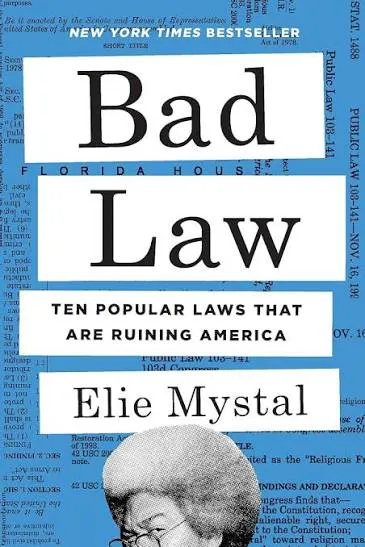
In his provocative book, 'Bad Law: Ten Popular Laws that are Ruining America,' Elie Mystal tackles a pressing issue: the impact of certain legal frameworks on the everyday lives of Americans. With a keen eye for detail and a sharp wit, Mystal sheds light on laws that, while often taken for granted, contribute to systemic injustices and societal dysfunction. This article aims to distill Mystal's insights, explore the implications of these laws, and encourage readers to engage with the legal landscape that shapes their lives.
Mystal's book is more than just a series of critiques; it serves as a call to action for readers to reassess the legal structures that govern them. By examining laws that may seem benign at first glance, he reveals how they can perpetuate inequality, hinder justice, and ultimately undermine the very foundation of democracy. Understanding these laws is crucial for anyone concerned about their rights and the future of the American legal system.
Highlighting Ten Laws Damaging American Society
Mystal identifies ten laws that he believes are significantly harming America. These laws often have unintended consequences that disproportionately affect marginalized communities. Below are some key examples:
- The War on Drugs: This law has led to mass incarceration, particularly among people of color, while failing to address the root causes of addiction.
- Stand Your Ground Laws: These laws have created a culture of vigilantism, often resulting in violence and a lack of accountability for aggressors.
- Mandatory Minimum Sentencing: These laws tie judges' hands, leading to disproportionately harsh penalties for non-violent offenses.
The War on Drugs: A Closer Examination
One of the most contentious laws discussed in Mystal's book is the War on Drugs. Initiated in the 1980s, this initiative aimed to reduce drug-related crime but has often resulted in the opposite effect. Instead of curbing drug use, it has led to an explosion of incarceration rates, particularly among African Americans and other minority groups. Mystal argues that this law not only fails to address addiction as a public health issue but also perpetuates a cycle of poverty and disenfranchisement.
Impact on Communities
The societal impact of the War on Drugs is profound. Families are torn apart, communities are destabilized, and the stigma surrounding drug use only deepens. Mystal emphasizes that reforming this law is essential for fostering healthier communities and restoring faith in the justice system.
Stand Your Ground Laws: The Cost of Vigilantism
Another law that Mystal critiques is the Stand Your Ground law, which allows individuals to use lethal force in self-defense without the duty to retreat. This legal principle has been implicated in numerous high-profile cases, raising questions about race, justice, and public safety. Mystal argues that these laws encourage a shoot-first mentality that disproportionately affects communities of color.

Consequences of Lethal Force
The consequences of these laws are dire. They not only lead to increased violence but also create an environment where individuals feel justified in using deadly force in ambiguous situations. Mystal calls for a reevaluation of these laws to prioritize de-escalation and conflict resolution.
Mandatory Minimum Sentencing: Justice Denied
Mystal's discussion of mandatory minimum sentencing laws highlights how they strip judges of discretion and result in unjust sentences for non-violent offenders. These laws were designed to create uniformity in sentencing but have had the opposite effect, contributing to overcrowded prisons and tearing families apart.
Alternatives to Mandatory Minimums
Advocates for reform argue that judges should have the flexibility to consider the circumstances of each case. By eliminating mandatory minimums, the justice system could better serve both victims and offenders, allowing for more rehabilitative and restorative approaches.

Why Understanding These Laws Matters
Understanding the implications of these laws is critical for American citizens. Mystal's work serves as a reminder that the legal system is not static; it evolves and can be influenced by public advocacy and reform efforts. By becoming informed about the laws that affect their lives, citizens can participate in meaningful dialogue and push for changes that foster justice and equality.
Key Takeaways
- Ten laws critiqued: Mystal identifies laws that perpetuate systemic injustice.
- Impact on marginalized communities: Many of these laws disproportionately affect people of color and low-income individuals.
- Call to action: Readers are encouraged to engage with the legal system and advocate for reform.
Frequently Asked Questions
What is the central argument of 'Bad Law'?
Elie Mystal argues that certain popular laws are detrimental to American society, perpetuating inequality and injustice. He critiques ten specific laws that he believes undermine democracy and calls for public engagement to drive reform.
How do these laws affect marginalized communities?
Many of the laws discussed, such as the War on Drugs and Stand Your Ground laws, disproportionately impact marginalized communities, leading to higher incarceration rates, increased violence, and systemic disenfranchisement.
What can individuals do to advocate for legal reform?
Individuals can educate themselves about the laws affecting their communities, participate in advocacy groups, and engage with local representatives to push for legislative changes that promote justice and equality.
Why is it essential to understand the legal landscape?
Understanding the legal landscape is crucial for citizens to navigate their rights and responsibilities. Informed citizens can better advocate for themselves and their communities, leading to a more equitable society.
Disclaimer: The content is general information, not legal advice.
Comments
The Future of Education: Will AI Replace Traditional College?
As artificial intelligence continues to evolve, the necessity of traditional college education comes into question. This article explores the implications of AI on learning, careers, and the future workforce.

Related articles
Popular in Guides
- Lake Mead Reaches Historic Low: Understanding the Impacts of Water Scarcity
- Fires and Ferns: Understanding Ancient Europe's Climate Catastrophe
- Unveiling Hidden Stars: Astronomers Discover Four New White Dwarfs
- Understanding the Impact of Hawaii's Online Booking Fee Tax Ruling
- Navigating South Carolina Rental Property Law: A Comprehensive Guide