The Rise of Personalized Pricing: What It Means for Consumers and Businesses
The FTC's increasing scrutiny of personalized pricing practices raises significant questions for consumers and businesses alike. As companies utilize personal data to determine prices, it's essential to understand the implications and legal landscape surrounding this practice.

In the digital age, where data reigns supreme, the practice of personalized pricing has emerged as a controversial topic in consumer rights and business ethics. With the Federal Trade Commission (FTC) intensifying its scrutiny over how companies use personal data to set prices for individual consumers, this issue raises profound questions about transparency, fairness, and the future of buying in the United States. As businesses increasingly leverage advanced algorithms to tailor pricing based on a shopper's online behavior, consumers must navigate a landscape where their purchasing power may be significantly influenced by the data collected about them.
Personalized pricing refers to the practice of adjusting prices based on individual consumer data, which can include past purchases, browsing history, and even device type. While offering discounts to specific demographic groups, like seniors or students, has been an accepted practice for years, the new frontier lies in the granular level of data used to tailor prices for individual customers. For instance, two people purchasing the same item at the same time might pay different prices based on their online activity and purchasing history. This evolution in pricing strategy has raised alarms among consumer advocates and regulators alike, as it challenges traditional notions of fairness in commerce.

The FTC's Role and Its Recent Warnings
The FTC's recent warnings to businesses highlight the agency's commitment to ensuring that consumers are aware of how their personal information affects pricing. The crux of the issue is not merely the existence of personalized pricing but the lack of transparency associated with it. The FTC is advocating for businesses to disclose when personal data is being used to determine prices and to clarify what type of information influences these pricing decisions. Such disclosures would not render personalized pricing illegal; instead, they would aim to empower consumers with knowledge about how their data impacts their spending.
Understanding the Data Behind Personalized Pricing
Businesses utilize a plethora of data points to create personalized pricing strategies. Some of the information considered includes:
- **Past purchase history**: What items a consumer has bought previously.
- **Browsing behavior**: The products a consumer has looked at online and how long they spent on each page.
- **Geolocation data**: Where the consumer is located when they are shopping.
- **Device type**: Whether the consumer is using a smartphone, tablet, or desktop computer.
- **Engagement levels**: Actions like adding items to a cart but not purchasing.
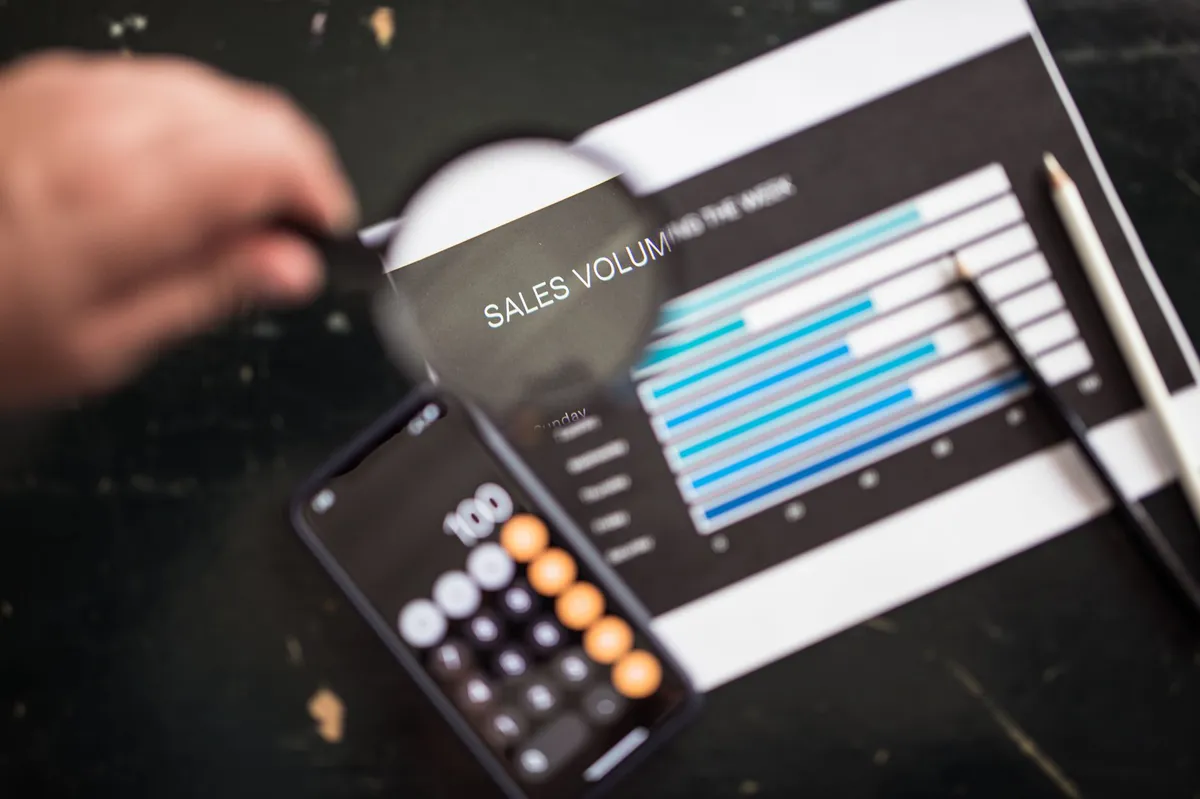
This extensive data collection allows companies to fine-tune their pricing. For example, if a shopper frequently browses high-end electronics but has never made a purchase, a retailer might increase the price shown to that consumer, assuming they have a higher willingness to pay. Conversely, a shopper with a history of discount-seeking behavior may see lower prices. This dynamic pricing model raises ethical questions about the fairness of charging different prices to different individuals for the same products.
Consumer Backlash and Regulatory Response
As personalized pricing becomes more prevalent, consumer backlash has grown. Reports of companies like Instacart testing personalized pricing algorithms that charged different customers varying prices for identical items fueled public outrage. Instacart's tests, intended to glean insights about consumer preferences, were ultimately scrapped amidst criticism highlighting the ethical implications of such practices. This incident underscores the growing sentiment among consumers that pricing should be fair and straightforward, rather than hidden behind a veil of personal data exploitation.
State-Level Actions and Legislative Trends
In response to rising consumer concerns, several states have begun to take action. New York has implemented rules mandating that companies disclose when personalized pricing is employed, while Maryland has gone further by banning certain pricing systems that adjust food prices based on individual customer data. These state-level initiatives indicate a growing recognition of the need for regulatory frameworks that protect consumers in an era of data-driven pricing. As public awareness of personalized pricing grows, lawmakers are likely to face pressure to establish more comprehensive regulations governing how companies can use personal data in pricing.

The Ethical Implications of Personalized Pricing
Beyond the legal ramifications, the ethical considerations surrounding personalized pricing practices cannot be overlooked. As consumers increasingly demand transparency regarding the use of their personal data, businesses must navigate the fine line between leveraging data for competitive advantage and maintaining customer trust. Ethical pricing strategies should prioritize consumer welfare, ensuring that individuals are not unfairly penalized or exploited based on their data profiles.
Creating a Fair Marketplace
To foster a fair marketplace, companies should consider adopting best practices that emphasize transparency and consumer education. This could include:
- **Clear disclosures**: Informing customers when their data influences pricing.
- **Consumer control**: Allowing customers to opt-out of data collection practices that lead to personalized pricing.
- **Fair pricing policies**: Establishing guidelines that prevent extreme disparities in pricing based on personal data.
By prioritizing ethical considerations and consumer trust, companies can create a more sustainable business model that benefits both consumers and businesses alike.
Key Takeaways
- **Personalized pricing** is becoming more common but raises ethical and legal concerns.
- The **FTC is advocating for transparency** regarding how personal data influences pricing decisions.
- Several **states are enacting laws** to regulate personalized pricing practices.
- Consumer awareness is critical for **navigating the implications** of personalized pricing.
Frequently Asked Questions
What is personalized pricing?
Personalized pricing refers to the practice of adjusting the price of products or services based on individual consumer data. This can include factors such as a consumer's previous purchasing behavior, browsing history, and location. While traditional discounts for specific demographics have existed, personalized pricing takes this further by using detailed data analytics to determine what an individual might be willing to pay.
How is the FTC involved in personalized pricing regulation?
The FTC has increased its scrutiny of personalized pricing practices and is urging businesses to disclose when consumer data is used to influence pricing. The agency emphasizes that transparency is essential to protect consumers and ensure that they understand how their personal information is affecting their purchasing costs. While the FTC's guidelines do not outright ban personalized pricing, non-compliance with disclosure requirements could result in legal action against businesses.
What actions are states taking regarding personalized pricing?
Several states have begun to enact laws to regulate personalized pricing practices. For example, New York has implemented rules requiring companies to inform consumers when personalized pricing is in effect. Maryland has taken more stringent measures by prohibiting certain systems that adjust food prices based on individual consumer data. These actions reflect growing concerns about fairness and transparency in pricing strategies.
What can consumers do to protect themselves from unfair pricing?
Consumers can protect themselves by becoming informed about personalized pricing practices and asserting their rights. This includes asking businesses about their pricing policies and understanding how personal data may affect pricing. Additionally, consumers should consider opting out of data collection practices when possible and support companies that prioritize transparency and ethical pricing strategies.
This content is general information, not legal advice.
Comments
Alibaba Challenges U.S. Law Designating It as a Chinese Military Company
A federal judge is examining the constitutionality of a law that prohibits U.S. contracts with companies designated as Chinese military firms, including Alibaba. The case raises important questions about national security and free speech.

Related articles





Popular in Business Law
- Supreme Court Justices' Financial Disclosures: A Closer Look
- Vishal Garg's Leadership Fallout: The Rise and Fall of Better.com
- Former Intelligence Official Faces Penalty for Post-Government Misconduct
- Blank Rome Faces Lawsuit After Major Data Breach Exposes Personal Information
- Congress Faces Reckoning Over Member-Staff Relationships