Alibaba Challenges U.S. Law Designating It as a Chinese Military Company
A federal judge is examining the constitutionality of a law that prohibits U.S. contracts with companies designated as Chinese military firms, including Alibaba. The case raises important questions about national security and free speech.

The evolving landscape of U.S.-China relations has recently taken a new twist as Alibaba Group Holding Limited, a major Chinese e-commerce player, finds itself at the center of a legal battle with the U.S. Department of Defense (DoD). After being designated as a Chinese military company, Alibaba's U.S. subsidiary has faced restrictions that prevent it from lobbying and contracting with the federal government. This case raises significant questions about the balance between national security interests and constitutional rights, particularly the First Amendment.
On June 8, 2023, the DoD identified Alibaba as a Chinese military company, leading to the enactment of a federal law on June 30 that prohibits any company listed under this designation from entering into contracts with the U.S. government. The law specifically targets entities that are either directly or indirectly connected to Chinese military or security organizations, such as the People’s Liberation Army. Other companies, including Baidu and BYD, have also received similar designations, reflecting a broader trend of increased scrutiny on Chinese firms operating in the U.S.
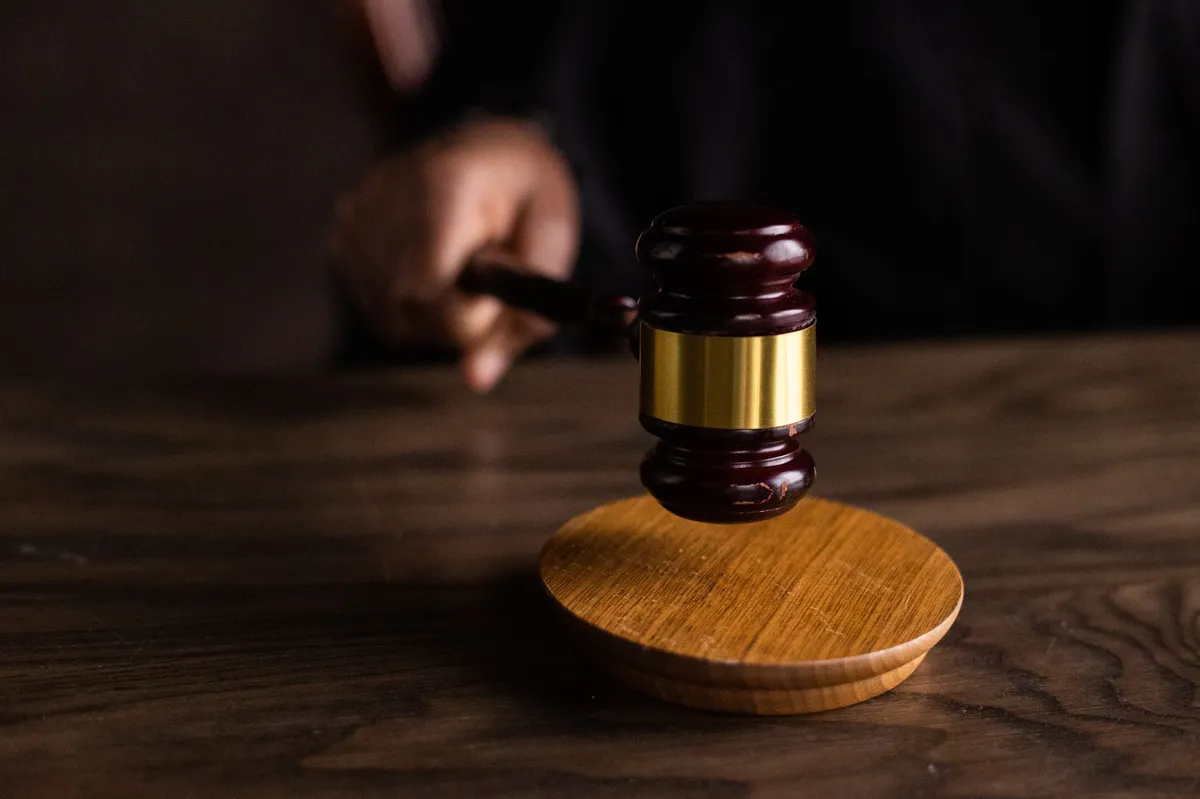
Understanding the Legal Framework
At the heart of this case is a federal law that aims to mitigate risks associated with foreign influence in sensitive areas of government contracting. The law restricts companies deemed as Chinese military entities from hiring lobbyists, which the government argues is a necessary measure to protect national security. The statute defines a Chinese military company broadly, encompassing those that are affiliated with or controlled by Chinese military organs.
Alibaba is challenging the law on several grounds, claiming that it violates the First Amendment rights to free speech and assembly, as well as principles outlined in the Administrative Procedure Act, which governs the process of federal rule-making. The company asserts that being labeled as a Chinese military entity imposes an unfair restriction on its ability to communicate and advocate for its interests within the U.S. political landscape.
The Implications of the Designation
The designation as a Chinese military company has far-reaching implications for Alibaba and similar firms. For one, it drastically limits their ability to engage with U.S. lawmakers and influence policies that affect their operations. Prior to the designation, Alibaba had a network of lobbyists working on its behalf—now, it has none. This loss of representation is not just a logistical hurdle; it poses a real threat to the company’s ability to navigate the complex terrain of U.S. regulations and trade policies.
Furthermore, the law raises concerns about the vagueness of the criteria used to label companies as military entities. Critics argue that the definitions are broad and can lead to arbitrary enforcement, which undermines the principles of fairness and due process. As Alibaba’s attorney, Chris Eiswerth, pointed out, the government has not sufficiently demonstrated that the risks it cites are substantial enough to justify such sweeping restrictions. Without concrete evidence of harmful connections between Alibaba and the Chinese military, the imposition of these penalties could be seen as an overreach.

The Court's Examination of Free Speech
During a recent hearing, U.S. District Judge Eumi Lee scrutinized the government’s rationale behind the law. While acknowledging the importance of national security, she expressed skepticism about the lack of substantial evidence supporting the government's claims of risk. Judge Lee highlighted the potential implications of allowing the government to restrict speech under the guise of national security without a clear showing of necessity.
In this context, the First Amendment plays a pivotal role. It guarantees individuals and organizations the right to engage in political speech, which includes lobbying efforts aimed at influencing legislation. By barring companies like Alibaba from hiring lobbyists, the government effectively curtails their ability to participate in the democratic process. This raises fundamental questions about the extent to which national security can justify such restrictions.
The Broader Context of U.S.-China Relations
The Alibaba case is emblematic of the broader tensions between the United States and China. As geopolitical rivalries intensify, U.S. policy has increasingly targeted Chinese firms, particularly those perceived as having ties to the Chinese government or military. This trend reflects a growing apprehension about foreign influence in American markets and the potential for espionage or data breaches.
Other industries and companies are watching this case closely, as its outcome could set a precedent for how foreign entities are treated under U.S. law. The implications of this case extend beyond Alibaba, potentially impacting numerous businesses that rely on cross-border operations and partnerships.
- National Security vs. Free Speech: The case exemplifies the tension between safeguarding national interests and upholding constitutional rights.
- Legal Precedent: The ruling could shape future policies regarding foreign companies operating in the U.S.
- Impact on Lobbying: A ruling against Alibaba may limit lobbying efforts for many foreign firms.

Next Steps and Potential Outcomes
Alibaba is seeking a preliminary injunction to halt the enforcement of the law as it pertains to its operations. The company argues that the restrictions imposed by the designation are causing irreparable harm, depriving it of essential lobbying capabilities that are vital for its business interests. This legal maneuver aims not just to challenge the specific application of the law to Alibaba but also to address the statute’s broader constitutional implications.
The court’s decision on this injunction will be significant. If granted, it would allow Alibaba to continue its lobbying efforts while the case progresses through the legal system. Conversely, if the injunction is denied, Alibaba may find itself further marginalized in the U.S. market, facing considerable challenges in advocating for its interests.
Key Takeaways
- Alibaba is challenging its designation as a Chinese military company, arguing it infringes on its First Amendment rights.
- The case raises critical questions about national security and the government's authority to restrict free speech.
- A decision in favor of Alibaba could have wide-ranging implications for other foreign firms operating in the U.S.
Frequently Asked Questions
What does it mean to be designated as a Chinese military company?
A designation as a Chinese military company means that an entity is believed to be directly or indirectly connected to the Chinese military or its security apparatus. This designation can lead to significant restrictions on business activities, particularly with respect to U.S. government contracts and lobbying efforts.
How does this case affect U.S.-China relations?
The outcome of this case could exacerbate existing tensions between the U.S. and China, particularly as it relates to trade and investment. A ruling against Alibaba may reinforce perceptions of hostility towards Chinese firms, while a ruling in favor could signal a more nuanced approach to foreign business operations in the U.S.
What are the potential consequences for other foreign companies?
If Alibaba prevails, it could set a precedent that allows other foreign companies to challenge similar designations or restrictions, potentially leading to a reevaluation of U.S. policies regarding foreign investment and lobbying. Conversely, if the law is upheld, it may deter foreign firms from entering the U.S. market due to fears of arbitrary designation and restrictions.
Comments
The Rise of Personalized Pricing: What It Means for Consumers and Businesses
The FTC's increasing scrutiny of personalized pricing practices raises significant questions for consumers and businesses alike. As companies utilize personal data to determine prices, it's essential to understand the implications and legal landscape surrounding this practice.
Related articles




Popular in Business Law
- Supreme Court Justices' Financial Disclosures: A Closer Look
- Vishal Garg's Leadership Fallout: The Rise and Fall of Better.com
- Former Intelligence Official Faces Penalty for Post-Government Misconduct
- Blank Rome Faces Lawsuit After Major Data Breach Exposes Personal Information
- Congress Faces Reckoning Over Member-Staff Relationships