Ninth Circuit Upholds California Surveillance Law for Firearm Dealers
The Ninth Circuit Court has ruled that California gun dealers must maintain surveillance systems, igniting controversy over constitutional rights. This decision reaffirms state regulations aimed at enhancing public safety but raises significant concerns regarding privacy and free speech.
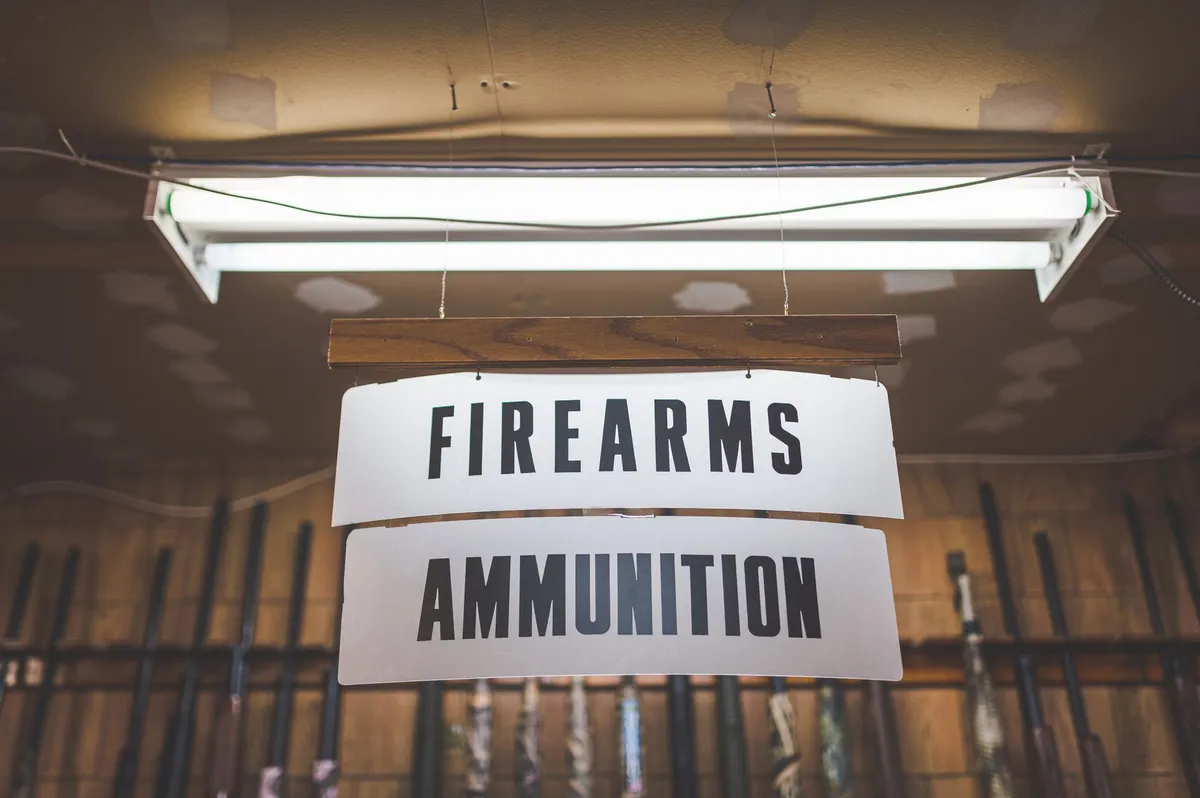
In a landmark ruling that intertwines the complexities of gun rights and surveillance, the Ninth Circuit Court of Appeals has upheld California's controversial law mandating that federally licensed firearm dealers maintain 24-hour video and audio surveillance systems. This decision, rendered by a panel consisting of U.S. Circuit Judge Lucy Koh and U.S. Circuit Judge Ana de Alba, highlights an ongoing legal battle where the rights of gun dealers clash with state regulations aimed at enhancing public safety.
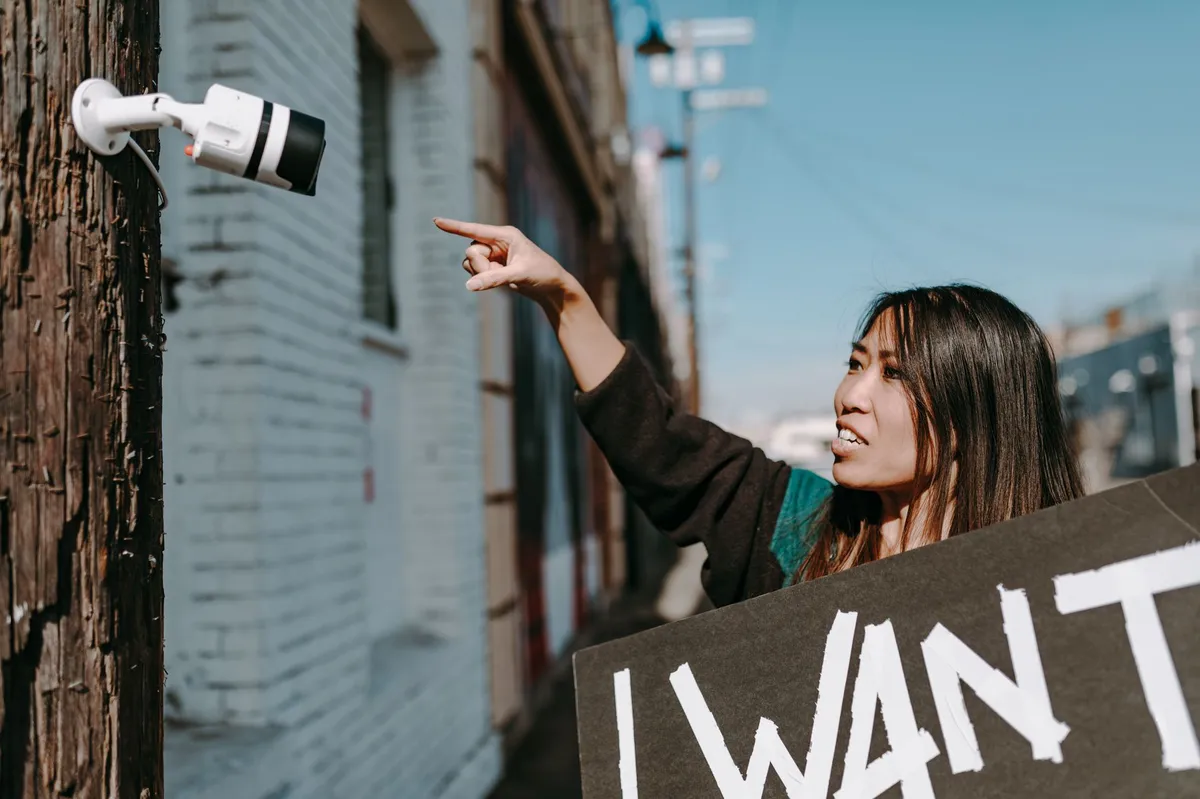
The case stems from a challenge against California Penal Code Section 26806, enacted in 2023. Gun dealers, including those operating storefronts and home-based businesses, argue that the law constitutes a violation of their First, Fourth, and Fifth Amendment rights. They claim that the requirement to maintain constant surveillance is akin to government-sanctioned eavesdropping, infringing on their privacy and chilling free speech.
The Legal Background of the Surveillance Law
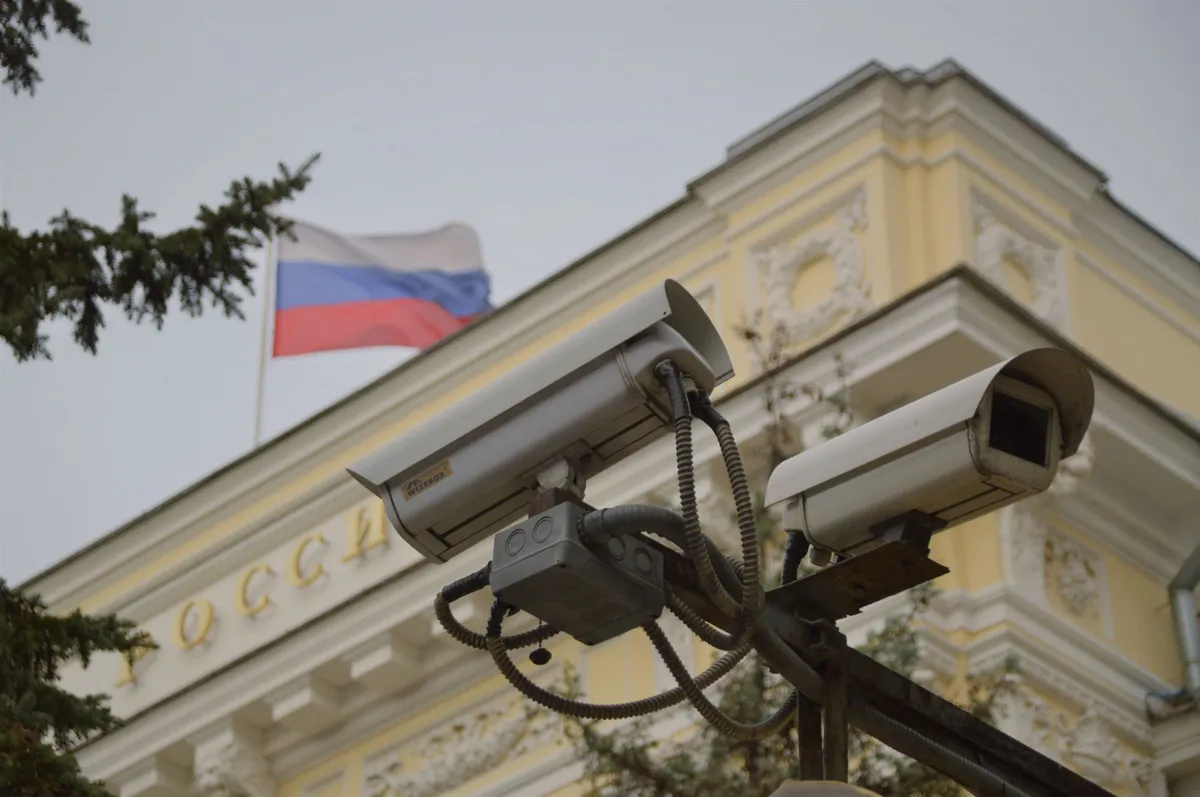
California's decision to impose surveillance requirements on firearm dealers is not unprecedented; it reflects a broader trend towards increased regulation of firearm transactions in the wake of rising concerns about gun violence. The law aims to help law enforcement combat firearm trafficking, theft, and illegal sales by ensuring that transactions are recorded and can be reviewed if necessary. In essence, it seeks to create a safer environment by monitoring potentially dangerous activities.
The plaintiffs, represented by private firearm dealers and Second Amendment advocacy groups, assert that the law is an overreach of government power. They contend that the surveillance mandate transforms them into unwitting agents of the state, thereby infringing upon their constitutional rights. However, Judge Koh's decision pointedly dismissed these arguments, stating that compliance with the law does not inherently make the dealers state actors subjected to constitutional scrutiny.
Fourth Amendment Claims
The Fourth Amendment protects citizens from unreasonable searches and seizures. In this case, the plaintiffs argued that the mere act of recording their business environments constituted a violation of this amendment. However, the Ninth Circuit found that the law does not constitute a search unless there is an actual intrusion into the dealers’ privacy by state actors, which the plaintiffs failed to demonstrate.
First Amendment Concerns
The claim that the surveillance would chill free speech was also rejected by the court. Judge Koh noted that the plaintiffs did not sufficiently prove that an ordinary person would fear government retaliation due to the surveillance. This aspect of the ruling underscores a significant tension between public safety regulations and individual freedoms, particularly in spaces where discussions about Second Amendment rights often take place.
The Dissenting Opinion
While the majority opinion upheld the law, U.S. Circuit Judge Kenneth Lee offered a dissenting view that warned of the law's implications for privacy and free speech. He argued that the requirement for constant recording could deter patrons from freely discussing their political views and rights, effectively chilling speech in what he termed a "hub of political activism." This dissent highlights a crucial aspect of the debate: the delicate balance between regulation aimed at enhancing safety and the preservation of constitutional liberties.
Lee's opinion raises important questions about the implications of surveillance on personal privacy and the freedoms of expression. He expressed concern that the law could lead to unnecessary government oversight and scrutiny of lawful businesses.
Implications for Gun Dealers and Consumers
The Ninth Circuit's ruling has far-reaching implications for firearm dealers across California and potentially beyond. For gun dealers, the law represents a new layer of operational complexity and cost. The requirement to install and maintain surveillance systems will likely increase expenses, which could be passed on to consumers through higher prices. Furthermore, the potential for government inspections based on surveillance footage raises the specter of increased regulatory scrutiny.
For consumers, particularly those who value their Second Amendment rights, the ruling may create a chilling effect, as patrons may feel discouraged from engaging in discussions about firearms or their rights if they know they are being recorded. This could impact not only the atmosphere within gun shops but also the broader community dialogue surrounding gun ownership and rights.
Future Legal Challenges and Advocacy
The decision is not necessarily the end of the road for the plaintiffs. Chuck Michel, president of the California Rifle & Pistol Association, expressed disappointment and indicated plans to seek a review of the ruling by the en banc court, and potentially the Supreme Court. This ongoing legal battle underscores the contentious nature of gun rights and regulation in the United States, where the interpretation of the Second Amendment continues to evolve amid changing societal norms and safety concerns.
As legal advocates prepare for further challenges, this ruling could set a precedent for how states regulate firearms and the extent to which surveillance can be mandated in commercial spaces. Legal experts anticipate that similar laws may be proposed in other states, potentially leading to a patchwork of regulations across the country.
Key Takeaways
- Ninth Circuit Decision: The Ninth Circuit upheld California's law requiring firearm dealers to maintain surveillance systems, impacting their operations and rights.
- Constitutional Concerns: The ruling raises significant issues surrounding the First, Fourth, and Fifth Amendment rights of gun dealers.
- Dissenting Opinions Matter: Dissenting opinions highlight the ongoing tension between regulatory measures and individual freedoms.
- Future Legal Challenges: Plaintiffs plan to appeal, potentially leading to further scrutiny from higher courts.
- Impact on Consumers: The surveillance requirement may deter discussions on Second Amendment rights in gun shops.
Frequently Asked Questions
What does the Ninth Circuit ruling mean for gun dealers in California?
The Ninth Circuit's ruling means that federally licensed firearm dealers in California are legally required to maintain 24-hour audio and video surveillance systems at their business premises. This requirement is designed to assist law enforcement in monitoring and preventing gun-related crimes. However, it also raises significant constitutional questions regarding privacy and free speech, which the plaintiffs are seeking to challenge further.
How does this ruling affect consumers who purchase firearms?
For consumers, the ruling may create an uncomfortable atmosphere in gun shops, as they may feel less inclined to discuss firearms or their rights openly, knowing they are being recorded. This chilling effect on free speech can impact the nature of conversations around gun ownership, potentially deterring individuals from engaging in political discussions related to their Second Amendment rights.
What are the implications for future gun legislation?
The implications of this ruling could extend beyond California, as other states may look to implement similar surveillance laws for firearm dealers. Legal experts suggest that this case sets a precedent for how states can regulate firearms in commercial settings, potentially leading to a patchwork of different laws across the United States. The ongoing legal battles will likely shape the future landscape of gun legislation.
Can the plaintiffs appeal the Ninth Circuit's decision?
Yes, the plaintiffs can appeal the Ninth Circuit's decision. Chuck Michel, president of the California Rifle & Pistol Association, has indicated plans to seek a review by the en banc court and potentially escalate the matter to the U.S. Supreme Court. This process could open the door for further legal scrutiny and debate regarding the balance between public safety and individual rights under the Constitution.
Comments
The Rise of Personalized Pricing: What It Means for Consumers and Businesses
The FTC's increasing scrutiny of personalized pricing practices raises significant questions for consumers and businesses alike. As companies utilize personal data to determine prices, it's essential to understand the implications and legal landscape surrounding this practice.

Related articles


Popular in Business Law
- Supreme Court Justices' Financial Disclosures: A Closer Look
- Vishal Garg's Leadership Fallout: The Rise and Fall of Better.com
- Former Intelligence Official Faces Penalty for Post-Government Misconduct
- Blank Rome Faces Lawsuit After Major Data Breach Exposes Personal Information
- Congress Faces Reckoning Over Member-Staff Relationships