Pandemic Benefit Fraud: A State Official's Legal Woes
A state government official faces serious charges including pandemic benefit fraud and money laundering, raising significant concerns about integrity in public service. This case highlights the broader implications of fraud during a crisis.
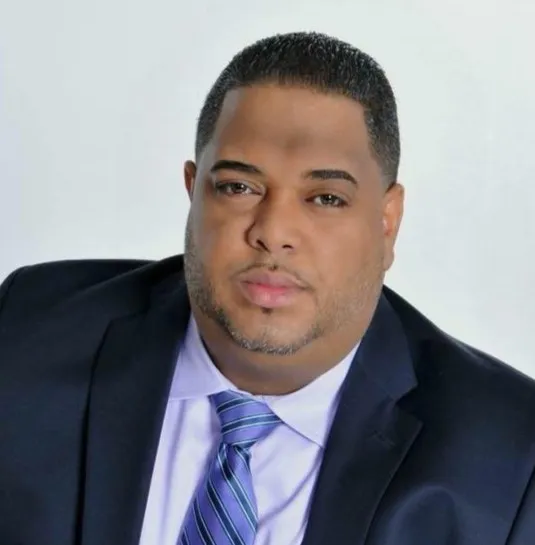
The COVID-19 pandemic has not only reshaped the world but has also exposed vulnerabilities in our systems, leading to unprecedented levels of fraud. One disturbing instance is the recent case of a state government official charged with pandemic benefit fraud and money laundering. This case illustrates how individuals in positions of trust can exploit systems designed to provide support during crises, raising pressing questions about accountability and the integrity of public service.
As the pandemic forced many into financial hardship, government programs aimed at providing relief, such as unemployment benefits and small business loans, were rolled out swiftly. Unfortunately, the urgency of these programs created opportunities for abuse. The case in question involves allegations against Francisco Paulino, a Massachusetts state official accused of misusing these pandemic benefits for personal gain. The implications of such actions are profound, not just for the individuals involved, but for public trust in government systems.

Understanding the Charges Against Francisco Paulino
Francisco Paulino faces serious allegations, including:
- Pandemic Benefit Fraud: This involves the unauthorized collection of unemployment benefits meant for individuals who have lost their jobs due to the pandemic.
- Money Laundering: This charge suggests that Paulino attempted to conceal the origins of the funds he allegedly obtained through fraudulent means.
Specifically, Paulino is accused of filing false claims for benefits, thereby diverting funds intended for struggling individuals and businesses. Authorities allege that he not only exploited the system but also engaged in money laundering to hide the proceeds of his fraudulent activities.

The Impact of Fraud on Pandemic Relief Programs
The ramifications of such fraud extend beyond the immediate legal consequences for the individual involved. When government officials exploit relief programs, it undermines public confidence in those programs, which are crucial for recovery during crises. Furthermore, the financial losses incurred by fraudulent claims can deplete funds intended for legitimate beneficiaries. This creates a ripple effect that can hinder economic recovery efforts.
Additionally, the fallout from cases like Paulino's can lead to stricter regulations and oversight of government benefits programs. While increased scrutiny is necessary to prevent fraud, it can also create barriers for individuals who genuinely need assistance. The challenge lies in striking a balance between safeguarding funds and ensuring that support reaches those who need it most.

Legal Consequences of Pandemic Fraud
In the United States, pandemic benefit fraud is prosecuted vigorously. Individuals found guilty can face severe penalties, including:
- Significant fines, often amounting to thousands of dollars.
- Prison sentences, which can range from several months to several years depending on the severity of the fraud.
- Restitution payments to repay the misappropriated funds.
Moreover, the stigma associated with fraud convictions can have lasting impacts on an individual’s personal and professional life, affecting future employment opportunities and social standing.
Broader Implications for Public Trust
The case against Francisco Paulino serves as a stark reminder of the importance of accountability in public office. When officials engage in fraudulent activities, it erodes the trust that citizens place in their government. This trust is foundational to democracy and the effective functioning of public institutions.
Moreover, high-profile cases of fraud can lead to a general skepticism about government programs, even among those who genuinely need assistance. It can foster an environment where individuals are hesitant to apply for benefits, fearing potential scrutiny or stigma.
Key Takeaways
- The case against Francisco Paulino highlights serious allegations of pandemic benefit fraud and money laundering.
- Fraudulent claims undermine public trust and the integrity of government relief programs.
- Legal consequences for fraud can include fines, prison time, and restitution payments.
- Restoring trust in public institutions is crucial for effective governance and economic recovery.
Frequently Asked Questions
What constitutes pandemic benefit fraud?
Pandemic benefit fraud occurs when individuals or officials submit false claims to receive benefits from government programs designed to provide financial assistance during crises like the COVID-19 pandemic. This can include falsifying employment status, income, or other eligibility criteria to obtain funds unlawfully.
What are the potential penalties for committing fraud?
The penalties for committing fraud can be severe, including substantial fines that may reach upwards of tens of thousands of dollars, significant prison sentences depending on the scale of the fraud, and the requirement to repay any funds obtained fraudulently. The exact consequences vary based on state laws and the specifics of each case.
How can individuals protect themselves from fraud in government programs?
Individuals can protect themselves by ensuring they apply for benefits truthfully and accurately. It is essential to keep thorough records of all applications and communications with government agencies. If they suspect fraud or encounter fraudulent claims, they should report it to the appropriate authorities to help safeguard the integrity of the programs.
What is being done to prevent fraud in government relief programs?
To combat fraud, government agencies are implementing stricter verification processes and increasing oversight of benefit programs. This includes cross-checking information against various databases and utilizing advanced technology to detect suspicious patterns. Additionally, public awareness campaigns are being launched to inform citizens about the signs of fraud and how to report it.
Disclaimer: This content is general information and not legal advice.
Comments
The Rise of Personalized Pricing: What It Means for Consumers and Businesses
The FTC's increasing scrutiny of personalized pricing practices raises significant questions for consumers and businesses alike. As companies utilize personal data to determine prices, it's essential to understand the implications and legal landscape surrounding this practice.

Related articles





Popular in Business Law
- Supreme Court Justices' Financial Disclosures: A Closer Look
- Vishal Garg's Leadership Fallout: The Rise and Fall of Better.com
- Former Intelligence Official Faces Penalty for Post-Government Misconduct
- Blank Rome Faces Lawsuit After Major Data Breach Exposes Personal Information
- Congress Faces Reckoning Over Member-Staff Relationships