Second Circuit Rules Wild Fish Not Property Under False Claims Act
In a significant ruling, the Second Circuit determined that wild fish do not qualify as property under the False Claims Act, impacting claims of illegal fishing by a Canadian seafood company. This decision reflects broader implications for regulatory authority and fishing rights in U.S. waters.

In a landmark decision that resonates deeply within the realm of regulatory authority and natural resource management, the Second Circuit Court of Appeals has ruled that wild fish are not considered "property" under the False Claims Act (FCA). This ruling, which upholds a lower court's dismissal of a significant $2 billion lawsuit, stems from allegations against the Canadian seafood giant Cooke Seafood for illegally harvesting fish from U.S. waters. As the case unfolds, it raises critical questions about how natural resources are classified under U.S. law, the scope of regulatory power, and the mechanisms available for individuals to report and act against fraud.
The case was brought forth by U.S. citizens W. Benson Chiles and Chris Manthey, who filed a qui tam action—essentially a whistleblower lawsuit—claiming that Cooke Seafood had devised deceptive practices to circumvent the regulations imposed by the American Fisheries Act. The plaintiffs argued that Cooke created a facade of compliance by establishing a sham company under the name of Seth Dunlop, the inexperienced nephew of the company's CEO, which was purportedly designed to meet the requirement that commercial fishing vessels in U.S. waters be owned and controlled by U.S. citizens. However, the relators contended that Cooke and its subsidiary Omega Protein retained actual control over the fishing operations.

The False Claims Act: A Brief Overview
The False Claims Act is a vital legal tool that allows private individuals to sue on behalf of the government when they believe fraud has been committed against federal programs or funds. In a qui tam lawsuit, if the individual is successful, they can receive a percentage of the recovered damages, which serves as both a financial incentive and a means to uncover fraud. The Act has been instrumental in recovering billions of dollars for the federal government and holding companies accountable for fraudulent practices.
Importance of Regulatory Compliance
At the heart of the claims against Cooke Seafood is the American Fisheries Act, which regulates fishing practices to ensure sustainability and compliance with U.S. laws. The Act mandates strict adherence to ownership and operational guidelines for vessels fishing in U.S. waters. By allegedly bypassing these requirements, Cooke Seafood's actions not only raised legal concerns but also posed a threat to the ecological balance and economic stability associated with fishing industries.
The Court's Rationale
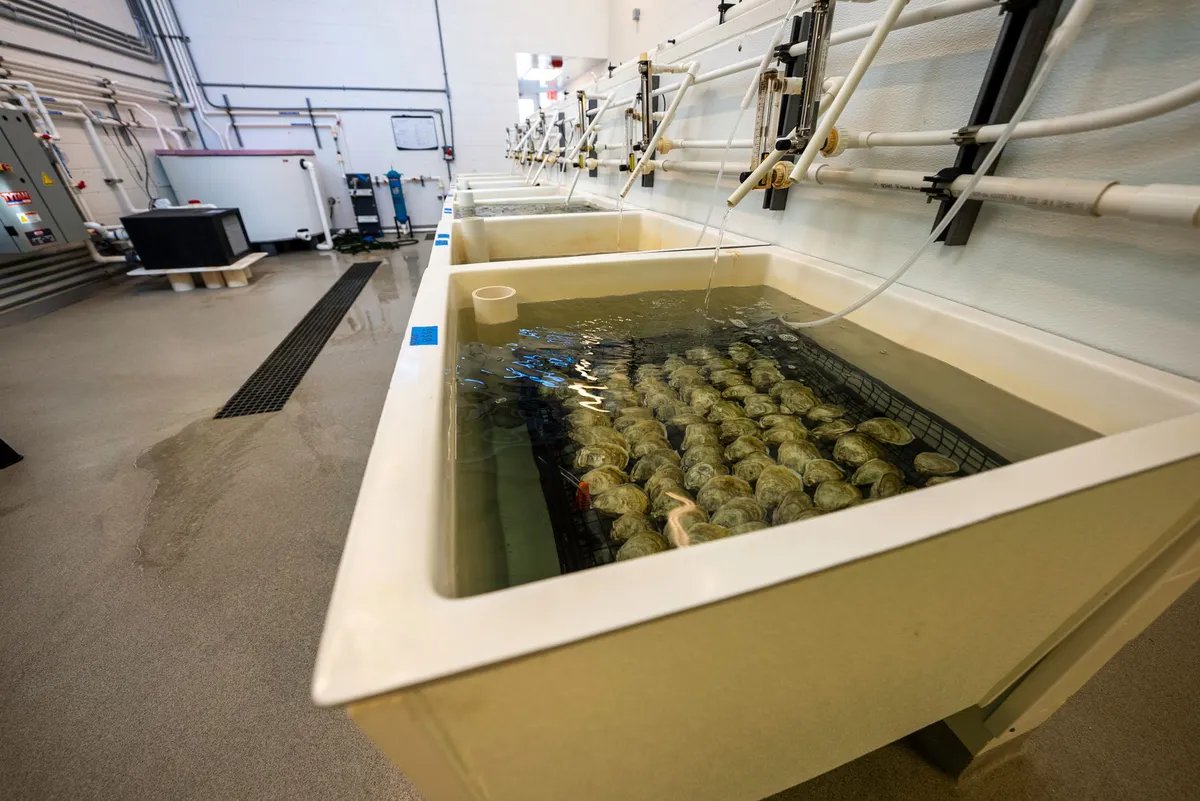
The Second Circuit's ruling was guided by a critical interpretation of property rights in the context of natural resources. U.S. Circuit Judge Joseph F. Bianco, writing for the panel, emphasized that the government's interest in wild fish stems from its regulatory authority rather than ownership. This distinction is pivotal because it suggests that while the government exercises control over fishing regulations, it does not confer property rights in the fish themselves. This legal stance aligns with a previous Supreme Court ruling from 1977, which referred to state ownership of wildlife as "pure fantasy."
Implications of the Ruling
This ruling has far-reaching implications. For one, it limits the ability of individuals to invoke the False Claims Act concerning natural resources that are not clearly defined as property. The court's decision indicates that without a recognized property interest, claims under the FCA are unlikely to succeed, which could deter individuals from reporting fraudulent activities in similar contexts. Furthermore, it underscores the challenges of navigating the complex interplay between federal and state regulatory frameworks governing natural resources.
Reactions and Future Considerations
The dismissal of the case has garnered mixed reactions from environmentalists, legal experts, and industry stakeholders. Proponents of stricter fishing regulations view the ruling as a setback in the fight against illegal fishing practices and environmental degradation. They argue that the decision could embolden companies to exploit regulatory gaps, potentially endangering fish populations and the livelihoods of legitimate fishers.
On the other hand, defenders of Cooke Seafood argue that the ruling affirms the need for clear definitions of property rights in the context of natural resources. They contend that imposing property rights on wild fish could lead to unintended consequences, such as the privatization of common resources, which might hinder conservation efforts and equitable access to fishing grounds.
Key Legal Takeaways
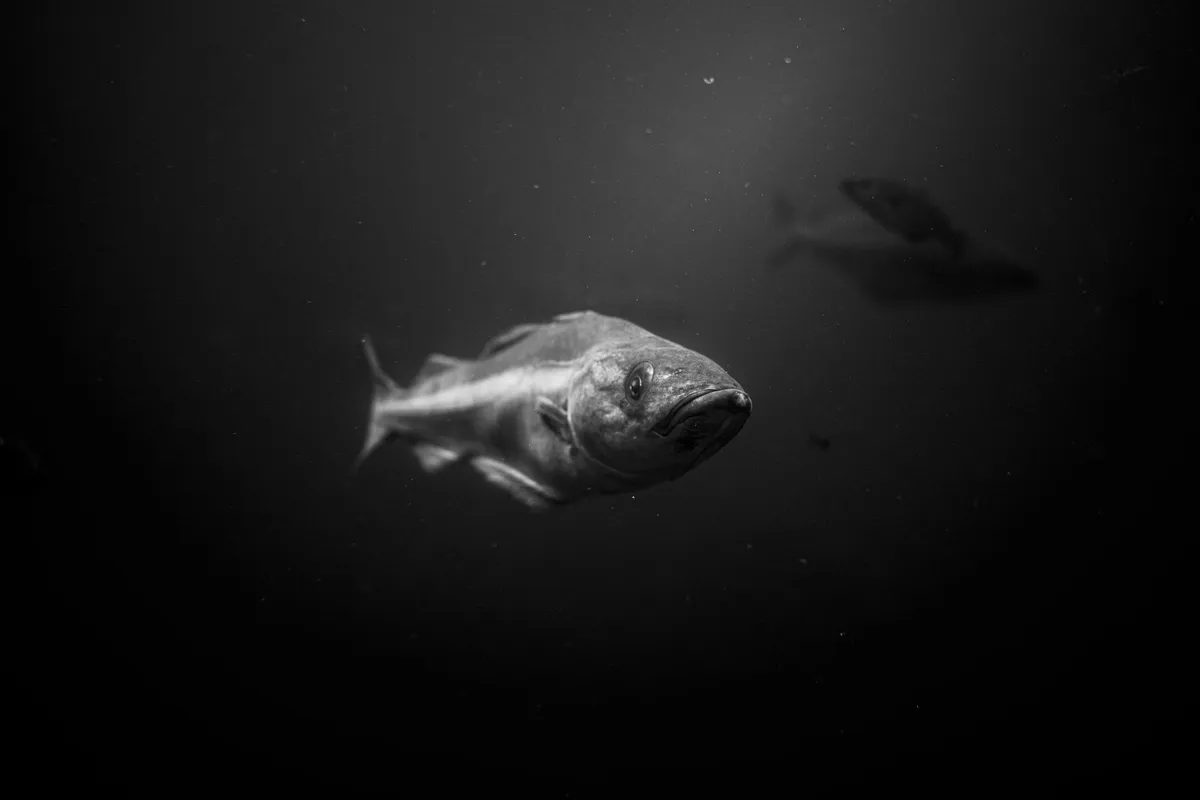
- Wild fish do not constitute property under the False Claims Act, limiting the scope for qui tam actions related to natural resources.
- The ruling emphasizes the regulatory nature of government control over fish, rather than ownership, impacting future legal claims.
- The decision could deter whistleblowers from pursuing claims against alleged fraud in the fishing industry.
- It highlights the complex interplay between federal and state regulations concerning natural resources.
- Environmental advocates may see this ruling as a challenge to efforts aimed at combating illegal fishing practices.
Frequently Asked Questions
What is a qui tam action?
A qui tam action is a legal mechanism that allows individuals to sue on behalf of the government for fraud related to government programs or funds. Under the False Claims Act, whistleblowers can file these lawsuits and, if successful, may receive a portion of the recovered damages. This encourages individuals to report fraudulent activities that might otherwise go unnoticed.
How does the False Claims Act protect whistleblowers?
The False Claims Act provides protections for whistleblowers against retaliation from their employers. This means that individuals who report fraud or illegal activities are safeguarded from being fired, demoted, or otherwise discriminated against as a result of their actions. These protections are crucial for encouraging the reporting of fraudulent practices.
What are the implications of the ruling for the fishing industry?
The Second Circuit's ruling could have significant implications for the fishing industry, particularly concerning regulatory compliance. Without the ability to invoke the False Claims Act, whistleblowers may be less likely to report illegal fishing practices. This could lead to an increase in fraudulent activities, potentially harming fish populations and legitimate fishers who comply with regulations.
How might this ruling affect future legal cases?
This ruling sets a precedent for future cases involving natural resources and regulatory compliance. Legal experts may interpret this decision as a limitation on the ability to pursue claims under the False Claims Act, particularly in instances where property rights are not clearly defined. This could influence the way future cases are argued and the types of claims that can be successfully pursued.
This article is for informational purposes only and does not constitute legal advice.
Comments
Rethinking Email Privacy: A Critical Need for Businesses Today
As businesses increasingly rely on email for sensitive communications, the importance of choosing a privacy-focused email provider cannot be overstated. This article explores the implications of email privacy and offers guidance on safeguarding sensitive information.

Related articles



Popular in Business Law
- Supreme Court Justices' Financial Disclosures: A Closer Look
- Vishal Garg's Leadership Fallout: The Rise and Fall of Better.com
- Former Intelligence Official Faces Penalty for Post-Government Misconduct
- Blank Rome Faces Lawsuit After Major Data Breach Exposes Personal Information
- Congress Faces Reckoning Over Member-Staff Relationships