Tensions Rise: Brazil and Argentina's Diplomatic Downgrade Explained
Recent insults exchanged between Brazil’s President Lula and Argentina’s President Milei have led to a significant diplomatic downgrade. This article explores the implications for both nations amid escalating tensions.

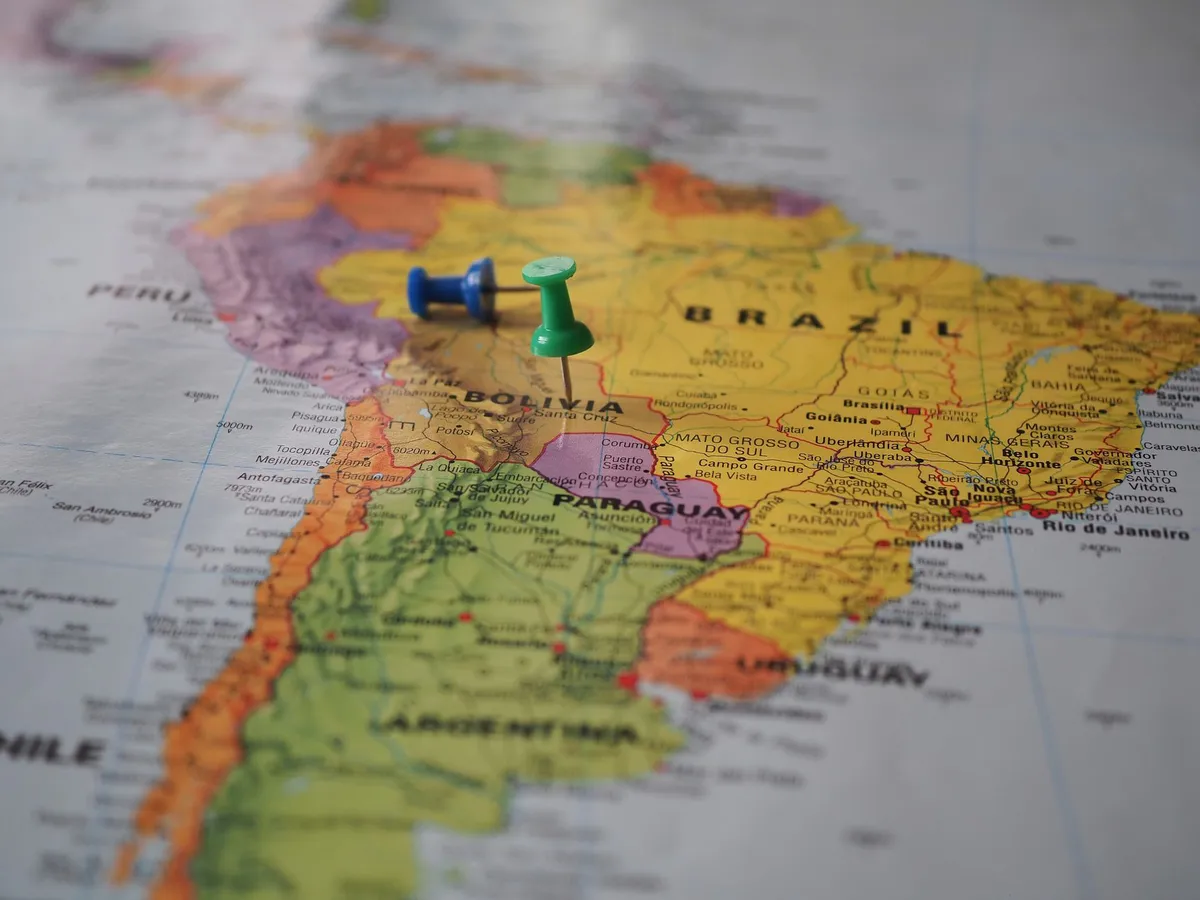
The diplomatic relationship between Brazil and Argentina, historically characterized by cooperation and integration, has recently taken a sharp downturn. Following a series of incendiary remarks made by Argentine President Javier Milei towards Brazilian President Luiz Inácio Lula da Silva, Brazil has downgraded its diplomatic representation in Argentina to the level of chargé d’affaires. This decision not only marks a significant escalation in political tensions but also raises questions about the future of bilateral relations between these two South American giants.
The situation began to unfold on July 25, when Milei attended a convention of the Liberal Party where Brazilian Senator Flávio Bolsonaro was nominated as the presidential candidate to challenge Lula in the upcoming October elections. During this event, Milei made derogatory comments about Lula, referring to him as a "convict" and a "totalitarian," while also criticizing members of Brazil’s Supreme Court. What followed was a series of accusations from Milei, including an unfounded claim that Brazil was financing an "anti-Argentine campaign" through political adversaries abroad, which included the Mexican government. Such remarks prompted Lula to dismissively question who Milei was, indicating a lack of recognition of the new Argentine president's authority.
The Escalation of Tensions
As tensions escalated, Brazil’s diplomatic response intensified. Days after Milei's comments, Brazil recalled its ambassador, Julio Bitelli, for consultations. The situation further deteriorated during an August 2 interview, where Milei reiterated his allegations against Lula, citing past corruption convictions as justification.
Importantly, Brazil's Supreme Court annulled Lula’s earlier corruption convictions in 2021, asserting that the court that tried him lacked jurisdiction. This ruling restored Lula’s political rights but left the merits of the original claims unresolved. The Brazilian Foreign Ministry's decision to formally express its discontent through a diplomatic downgrade reflects the seriousness with which it views Milei’s remarks, as emphasized by political analysts.
The Importance of Diplomatic Representation
The downgrade to a chargé d’affaires level means that Brazil will no longer have an ambassador in Argentina, a move that is seen as a significant diplomatic snub. Political scientist Maurício Santoro explained that this action ranks just below severing diplomatic relations altogether, indicating a serious level of discontent. While Brazil maintains its embassy and consulates in Argentina, the absence of an ambassador is likely to limit high-level political dialogue, though it may not disrupt technical cooperation or trade.

Economic Implications and Historical Context
Brazil and Argentina have historically enjoyed a close economic relationship, with Brazil being Argentina’s largest trading partner and Argentina being Brazil’s third-largest. The two countries are also foundational members of the Mercosur trade bloc, which promotes economic integration and free trade among member nations.
Economic ties between the two nations are particularly strong in sectors such as automotive, agriculture, and energy. Any significant diplomatic fallout has the potential to impact these sectors, though experts suggest that both governments will likely avoid taking retaliatory actions that could harm trade relations, as such measures would impose high costs on both economies.
Historically, political relations between Brazil and Argentina have remained cordial since both nations returned to democracy in the 1980s. However, polarization in recent years has complicated this relationship, with leaders from both countries increasingly becoming involved in each other’s domestic affairs. Recent examples include former Argentine President Alberto Fernández’s visit to Lula while he was imprisoned and the support from the Bolsonaro family for Milei.
Political Context and Influences
The current diplomatic fracas also unfolds against the backdrop of increasing political alliances with Donald Trump, which appear to be influencing Brazil's presidential campaign. Both Milei and Bolsonaro are aligned with Trump’s agenda, and this association may be contributing to the heightened tensions. Political analysts argue that the return of Trump to the White House has emboldened politicians in Latin America who share his views, including Milei.
According to Santoro, the new political landscape has led to an unprecedented level of political animosity between the two nations, spilling over into diplomatic relations. While the two governments have managed to maintain cooperation in areas such as energy imports from Argentina’s Vaca Muerta formation, the current crisis poses a risk of undermining these collaborative efforts.
Future Prospects for Brazil-Argentina Relations
As this diplomatic spat continues, the future of Brazil-Argentina relations remains uncertain. Experts like Daniel Ricardo Castelan, a professor of international relations, suggest that while the absence of an ambassador may limit high-level discussions, it is unlikely to disrupt the long-standing economic ties that exist between the two countries. Castelan emphasizes that Mercosur is stronger and has existed longer than any individual president, suggesting that economic integration will likely prevail over political disputes.
Furthermore, the Argentine government has indicated that it will not reciprocate Brazil’s diplomatic downgrade, with Foreign Minister Pablo Quirno asserting that despite profound ideological differences, Argentina will not escalate the situation. This response indicates a willingness to maintain some level of diplomatic engagement, even amid political tensions.
Key Takeaways
- Downgrade in Relations: Brazil has downgraded its diplomatic representation in Argentina following insults from President Milei.
- Historical Context: Brazil and Argentina share a long history of economic cooperation, particularly through Mercosur.
- Political Dynamics: The current political climate, influenced by alliances with Donald Trump, complicates bilateral relations.
- Future Collaboration: While high-level political dialogue may be limited, technical cooperation and trade are expected to continue.
- No Immediate Retaliation: Argentina has stated it will not respond with similar diplomatic actions, indicating a desire to maintain relations.
Frequently Asked Questions
Why did Brazil downgrade its diplomatic relations with Argentina?
Brazil's decision to downgrade diplomatic relations with Argentina was primarily a response to repeated insults and accusations made by Argentine President Javier Milei against Brazilian President Luiz Inácio Lula da Silva. The diplomatic downgrade signifies Brazil's strong discontent with Milei's remarks and reflects a significant deterioration in their bilateral relationship.
What are the implications of this downgrade for trade between Brazil and Argentina?
While the diplomatic downgrade may limit high-level political discussions, experts believe it will not significantly disrupt trade or economic cooperation between Brazil and Argentina. Both countries are economically integrated through sectors such as agriculture and automotive manufacturing, and neither government is likely to take actions that would impose high costs on their economies.
Can diplomatic relations between Brazil and Argentina improve in the future?
Improvement in diplomatic relations will depend largely on the political climate and actions taken by both governments. Despite current tensions, both nations have expressed a desire to maintain economic ties, which could facilitate a return to more cordial diplomatic relations over time. The willingness of Argentina not to retaliate diplomatically suggests that there is hope for dialogue moving forward.
What historical factors have influenced Brazil-Argentina relations?
Historically, Brazil and Argentina have shared a complex relationship characterized by cooperation, particularly since both countries returned to democracy in the 1980s. However, recent polarization in both nations has led to increased involvement in each other's domestic political affairs, complicating their relationship. Past support for each other's political figures has demonstrated how intertwined their political landscapes have become.
This content is general information and not legal advice.
Comments
Rethinking Email Privacy: A Critical Need for Businesses Today
As businesses increasingly rely on email for sensitive communications, the importance of choosing a privacy-focused email provider cannot be overstated. This article explores the implications of email privacy and offers guidance on safeguarding sensitive information.

Related articles




Popular in Business Law
- Supreme Court Justices' Financial Disclosures: A Closer Look
- Vishal Garg's Leadership Fallout: The Rise and Fall of Better.com
- Former Intelligence Official Faces Penalty for Post-Government Misconduct
- Blank Rome Faces Lawsuit After Major Data Breach Exposes Personal Information
- Congress Faces Reckoning Over Member-Staff Relationships