Second Circuit Blocks NYC Delivery App Data-Sharing Law: Implications for Privacy and Business
In a significant ruling, the Second Circuit has blocked New York City's controversial law requiring food delivery apps to share customer data with restaurants, citing First Amendment concerns. This decision has far-reaching implications for consumer privacy and the competitive landscape of the food delivery industry.

The recent ruling by the Second Circuit Court of Appeals has sent shockwaves through New York City's food delivery landscape, striking down a law that mandated third-party delivery apps like DoorDash, GrubHub, and Uber Eats to share private customer information with local restaurants. This controversial law, enacted in the wake of the COVID-19 pandemic, aimed to support restaurants struggling to recover by giving them access to customer data. However, the court found that the law violated First Amendment rights and posed significant privacy concerns for consumers.
The 2021 legislation was designed to provide a lifeline to restaurants by improving their access to customer information, thus enabling them to engage in more effective marketing strategies. However, the law faced immediate pushback from the delivery companies, which argued that the requirement to disclose personal data—including names, addresses, and order details—was not just intrusive but also detrimental to their business models. The February 2024 ruling from U.S. District Judge Analisa Torres, which upheld the panel's decision, emphasized that the law infringed on consumer privacy rights.
The Legal Context of the Ruling
The Second Circuit’s decision reinforces a growing trend towards prioritizing consumer privacy and free speech rights in the digital age. In the 28-page ruling, the appellate judges noted the law’s failure to provide consumers with an adequate option to opt out of data sharing, stating that it effectively created a marketing list without the consent of the individuals involved. U.S. Circuit Judge Richard Wesley articulated this concern, pointing out that the law forced consumers to navigate an opt-out process on an individual order basis—a cumbersome and ineffective method of managing personal data.
Moreover, Judge Wesley highlighted the nature of the data at stake, asserting that customer identities are not merely economic data but personal information that poses a risk to privacy. This distinction is crucial, as it implies that customer data should not be treated as a commodity available for businesses to exploit without consent.

Implications for Restaurants and Delivery Platforms
While the law was intended to benefit restaurants, the ruling raises important questions about the balance of power between delivery platforms and local eateries. Proponents of the law, including the New York City Hospitality Alliance, argued that the current delivery app model creates a data monopoly, effectively isolating restaurants from their own customers. They contended that without access to customer data, restaurants were left at a competitive disadvantage, unable to cultivate direct relationships with their patrons.
However, the court's decision may lead restaurants to reconsider their reliance on third-party apps for delivery services. With data accessibility now curtailed, eateries might need to explore alternative methods of engaging with customers directly, such as developing their own delivery systems or enhancing in-house dining experiences. This shift could lead to a more diversified marketplace, where restaurants regain some control over customer relationships.
Consumer Privacy at the Forefront
The Second Circuit's ruling also underscores the increasing importance of consumer privacy in an era marked by rampant data collection and surveillance. The decision aligns with growing public concern over how personal information is used and shared, particularly in the digital marketplace. As such, consumers are becoming more vigilant about their privacy rights, prompting calls for more robust regulations and protections.
In this context, the court's rejection of the NYC law can be viewed as a reaffirmation of consumer rights. The ruling may also inspire similar challenges against data-sharing laws in other jurisdictions, as the implications of this case reverberate across the country. Businesses in various sectors may need to reassess their data-sharing practices to ensure they comply with evolving legal standards and respect consumer privacy.
Future of Food Delivery Apps
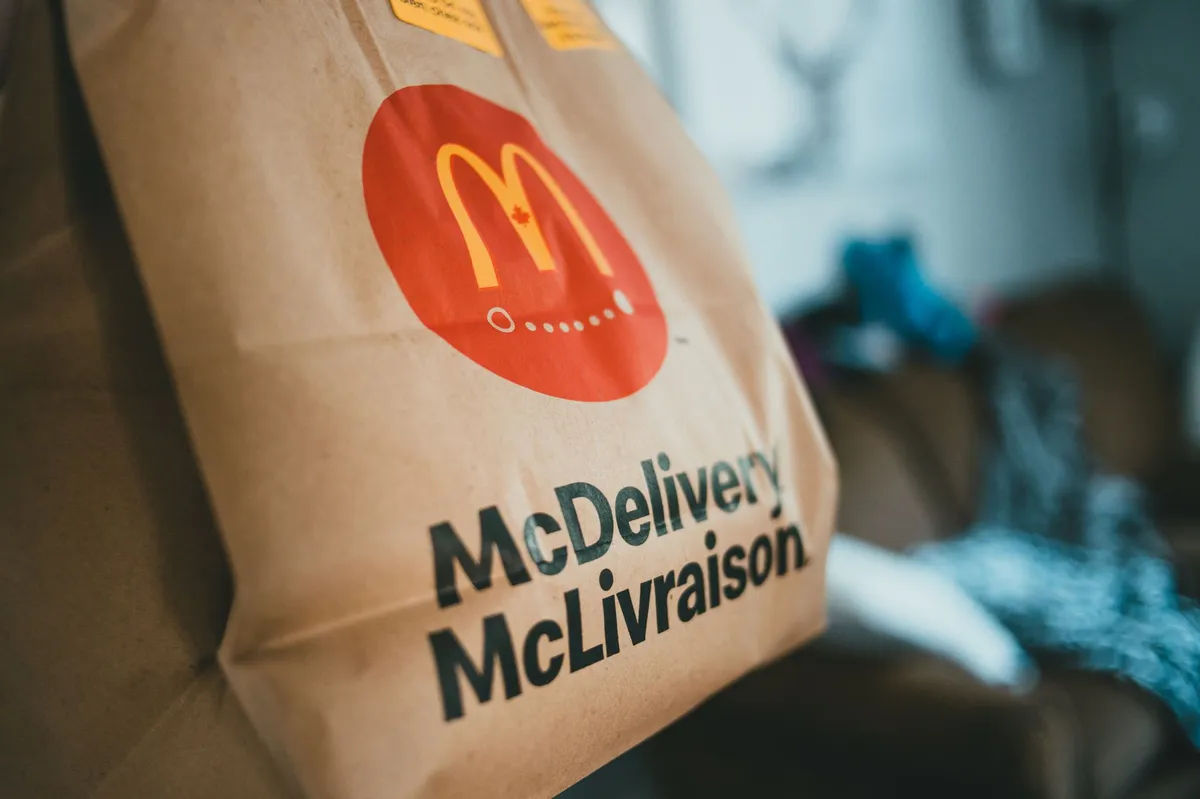
The delivery app industry is at a crossroads following this ruling. With consumer privacy concerns taking center stage, companies like DoorDash, GrubHub, and Uber Eats may need to rethink their business models and marketing strategies. While these platforms have flourished over the past few years, they must navigate a delicate balance between providing services to restaurants and respecting consumer rights.
Moreover, as restaurants adapt to this new landscape, there may be an increase in demand for transparency and accountability from delivery platforms. Consumers could begin to favor companies that prioritize ethical data practices, potentially reshaping the competitive dynamics of the industry. This shift could also lead to a broader conversation about how data is managed in the gig economy, with calls for clearer regulations and standards.

Key Takeaways
- The Second Circuit ruled NYC’s data-sharing law unconstitutional, prioritizing consumer privacy.
- The law required food delivery apps to disclose sensitive customer data, raising significant privacy concerns.
- Restaurants may need to explore alternative methods of engaging customers directly, given the ruling.
- The decision highlights the growing importance of consumer rights in the digital marketplace.
- Future regulations may emerge in response to evolving data privacy concerns.
Frequently Asked Questions
What was the purpose of NYC's food delivery app data-sharing law?
The law aimed to help restaurants recover from the economic impacts of the COVID-19 pandemic by requiring third-party delivery apps to share customer data. This data could potentially allow restaurants to engage in more effective marketing and maintain customer relationships, which had been disrupted during the pandemic.
What are the main concerns regarding consumer privacy in this case?
Privacy concerns center around the requirement for delivery apps to disclose sensitive customer information, such as names, addresses, and order details. Critics argue that this type of data sharing infringes on individual privacy rights and lacks sufficient consumer consent mechanisms, leading to a marketing list that customers did not agree to join.
How could this ruling affect the relationship between restaurants and delivery platforms?
This ruling may prompt restaurants to reassess their dependence on delivery platforms for customer access. Without mandated data sharing, restaurants may need to invest in building direct relationships with their customers, possibly leading to more diversified business models and reduced reliance on third-party apps.
What might be the next steps for New York City regarding this ruling?
The New York City Law Department has indicated it is reviewing the appellate court's decision. This could lead to potential amendments to the law or the exploration of alternative strategies to support the restaurant industry while respecting consumer privacy. Other cities may also look to this ruling as a precedent in shaping their own data-sharing regulations.
Comments
Rethinking Email Privacy: A Critical Need for Businesses Today
As businesses increasingly rely on email for sensitive communications, the importance of choosing a privacy-focused email provider cannot be overstated. This article explores the implications of email privacy and offers guidance on safeguarding sensitive information.

Related articles



Popular in Business Law
- Supreme Court Justices' Financial Disclosures: A Closer Look
- Vishal Garg's Leadership Fallout: The Rise and Fall of Better.com
- Former Intelligence Official Faces Penalty for Post-Government Misconduct
- Blank Rome Faces Lawsuit After Major Data Breach Exposes Personal Information
- Congress Faces Reckoning Over Member-Staff Relationships