Texas Hemp Industry Faces Legal Battle Over New THC Regulations
A recent lawsuit challenges Texas's new THC regulations that reclassify delta-8 and delta-10 as controlled substances, threatening the state's $11 billion hemp industry. Advocates warn of severe repercussions for businesses and consumers alike.
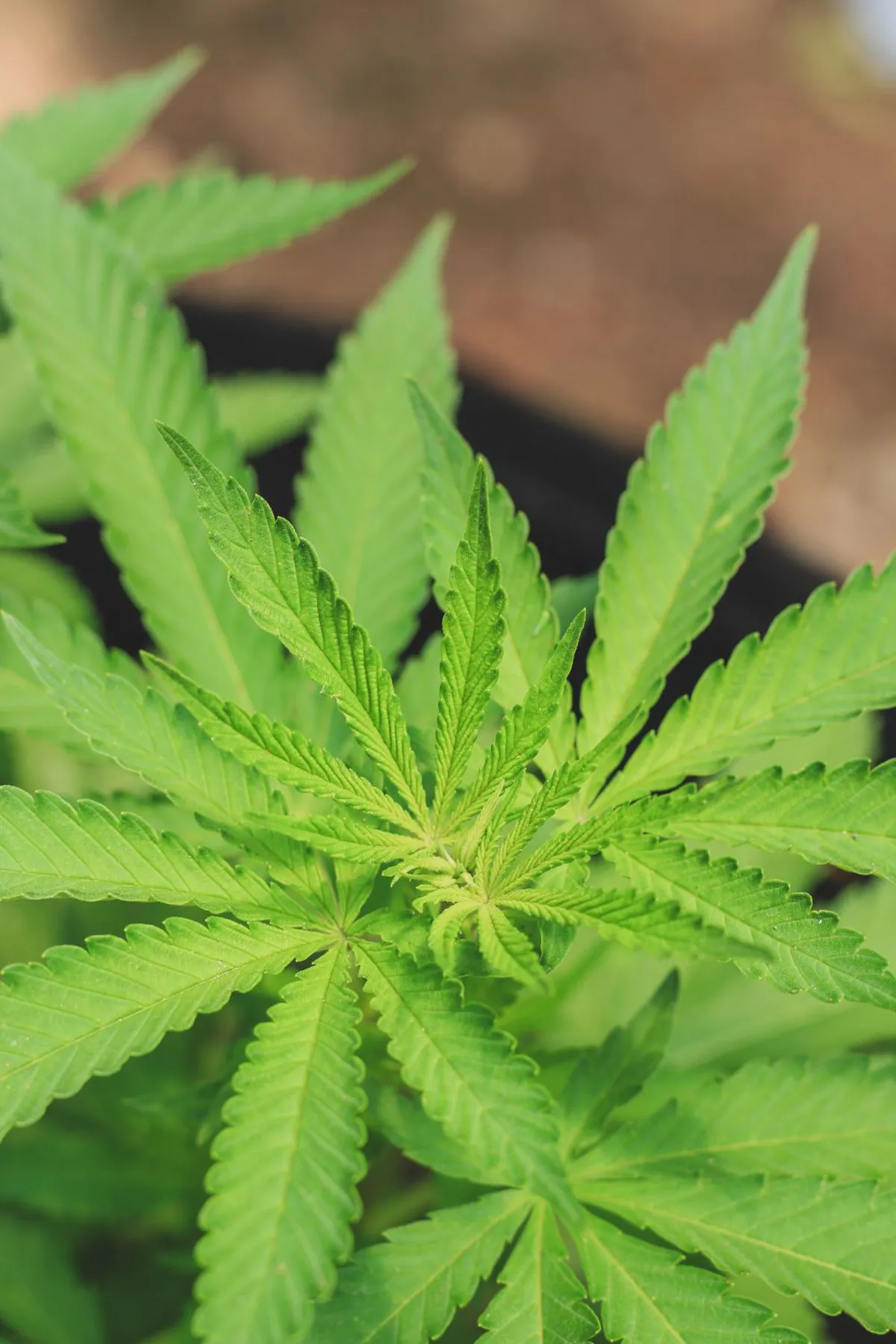
In a significant shift for the Texas hemp industry, new regulations have reclassified delta-8 and delta-10 tetrahydrocannabinol (THC) as controlled substances, effectively making their sale illegal for most businesses statewide. This controversial move, which has drawn the ire of hemp entrepreneurs and advocates, is now the subject of a recent lawsuit aimed at overturning the state's stringent guidelines. Proponents of the lawsuit argue that these new rules could decimate a burgeoning $11 billion industry, force many businesses to the brink of bankruptcy, and reintroduce a climate of prohibition for products that have been legal for years.
On July 31, the Texas Department of State Health Services (DSHS) implemented these new restrictions, which emerged from a May 2023 ruling by the Texas Supreme Court. This ruling granted DSHS the authority to classify any hemp-derived THC products as controlled substances, effectively ending the 2021 injunction that previously prevented such categorization. While delta-9 THC, the most widely recognized form of THC, remains legal and available for purchase, the implications for delta-8 and delta-10 are profound and far-reaching.
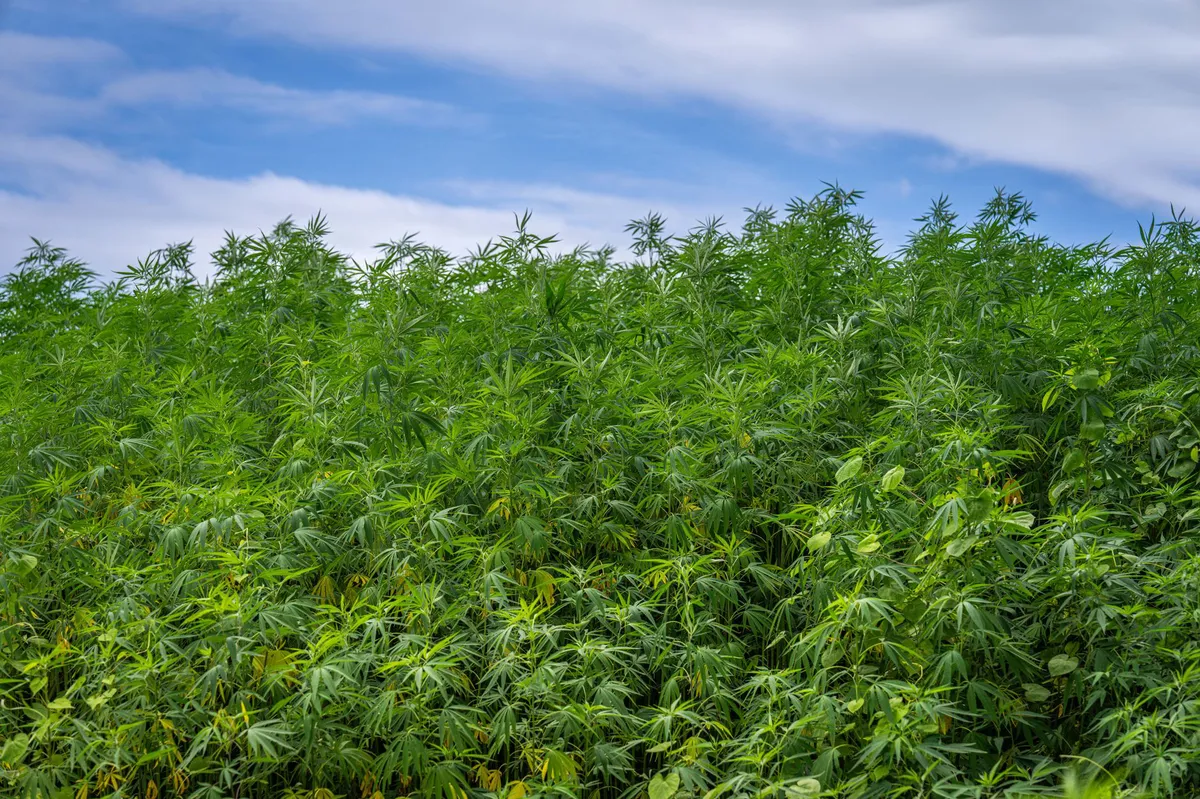
Understanding Delta-8 and Delta-10 THC
Delta-8 and delta-10 THC are cannabinoids derived from hemp, similar to delta-9 THC but with some differences in their chemical structure and effects. Delta-8, known for its milder psychoactive properties, has gained popularity among consumers seeking a less intense experience compared to traditional marijuana. It is often touted for its potential therapeutic benefits, including anxiety relief and pain management, making it a favored choice for those exploring alternative wellness options.
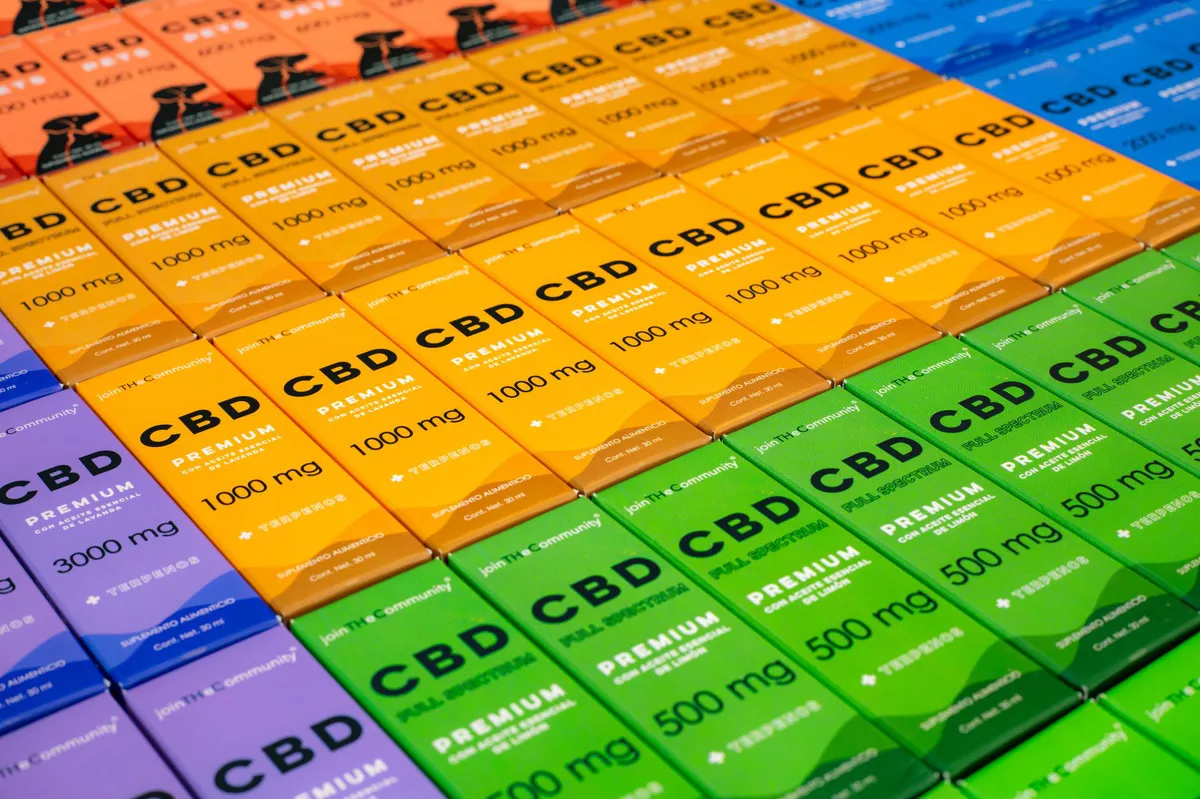
Delta-10 THC, on the other hand, is a lesser-known cannabinoid that offers a more uplifting and energizing experience. Both delta-8 and delta-10 have emerged as staples in the hemp market, with a variety of products ranging from edibles and tinctures to vape cartridges. The new Texas regulations threaten to eliminate these products from shelves statewide, potentially driving consumers to unregulated markets and exacerbating public health concerns.
The Lawsuit Against Texas Regulations
The lawsuit, filed by three hemp businesses, claims that the new classification of delta-8 and delta-10 as controlled substances violates federal law and due process. Mark Bordas, a representative of the Texas Hemp Business Council, emphasized the need to challenge what he describes as overreach by unelected bureaucrats. According to the plaintiffs, the reclassification not only jeopardizes their businesses but also contradicts the federal stance on hemp-derived products established by the 2018 Farm Bill, which legalized hemp and its derivatives as long as they contain less than 0.3% delta-9 THC.
In the lawsuit, the plaintiffs argue that the Texas DSHS's actions could lead to severe penalties for both individuals and businesses. Possession of delta-8 and delta-10 products is now classified as a state jail felony, punishable by up to two years in prison and fines reaching $10,000. Moreover, businesses risk losing their operating licenses and facing criminal charges for the manufacture and distribution of what are now considered Schedule I substances.

The Impact on the Hemp Industry
The consequences of these new regulations are poised to ripple throughout the Texas hemp industry, which has experienced unprecedented growth in recent years. The hemp market in Texas has been valued at approximately $11 billion, driven by consumer demand for alternative cannabis products. With delta-8 and delta-10 THC accounting for a significant portion of this market, the new regulations threaten to dismantle the livelihoods of countless entrepreneurs, farmers, and retailers.
Industry experts warn that the enforcement of these regulations could lead to widespread layoffs, closures, and a significant reduction in tax revenue for the state. As businesses scramble to adapt to the new legal landscape, many may struggle to survive the financial strain imposed by the loss of a lucrative product line. The Texas Cannabis Policy Center, echoing concerns raised by Bordas, has expressed alarm over the potential for “irreparable damage” to the industry and the consumers who rely on these products.
- Delta-8 and delta-10 THC products are now illegal for most businesses to sell in Texas.
- The new regulations could lead to severe penalties for possession and distribution.
- The lawsuit argues the reclassification conflicts with federal law established by the 2018 Farm Bill.
- The Texas hemp industry is valued at approximately $11 billion.
Legal Implications and Consumer Impact
The legal battle over Texas’s new THC regulations has broader implications that extend beyond the state’s borders. If the lawsuit succeeds, it could set a precedent for similar challenges across the country, especially in states where hemp-derived THC products are gaining popularity. Conversely, if the regulations are upheld, it may embolden other states to implement their own restrictive measures, further complicating the landscape for businesses operating in the cannabis sector.
For consumers, the ramifications of these new rules are equally concerning. As delta-8 and delta-10 products vanish from store shelves, consumers may be left with limited options for alternative cannabis products. Moreover, the potential shift to unregulated markets could expose consumers to unsafe products and increase the risk of adverse health effects. The industry’s movement toward greater regulation and consumer safety may be undermined by these new restrictions, highlighting the need for clarity and consistency in cannabis regulations at both the state and federal levels.
Key Takeaways
- The Texas DSHS has reclassified delta-8 and delta-10 THC as controlled substances.
- A lawsuit has been filed to challenge these new regulations on legal grounds.
- The changes threaten to disrupt an $11 billion hemp industry in Texas.
- Possession of the newly illegal products can result in severe legal penalties.
Frequently Asked Questions
What are delta-8 and delta-10 THC?
Delta-8 and delta-10 THC are cannabinoids derived from hemp that offer psychoactive effects similar to delta-9 THC but with varying intensities. Delta-8 is generally considered milder, while delta-10 is associated with a more energizing effect. Both have become popular alternatives in the cannabis market, particularly for consumers seeking legal options for their cannabis experiences.
How could the lawsuit affect the legality of THC products in Texas?
The outcome of the lawsuit could either reinforce the new THC classifications or lead to their repeal. If the plaintiffs succeed, it may invalidate the new restrictions, allowing businesses to resume the sale of delta-8 and delta-10 products. Conversely, if the state prevails, it could establish a legal precedent for stricter regulations on hemp-derived THC nationwide.
What are the potential penalties for businesses selling delta-8 and delta-10 THC?
Businesses found in violation of the new regulations face severe penalties, including criminal charges, fines, and the loss of operating licenses. The new laws classify possession of these substances as a state jail felony, which can result in imprisonment for up to two years and fines reaching $10,000, putting significant financial and operational strain on affected businesses.
Comments
New York Takes Legal Action Against Kalshi for Alleged Illegal Gambling
New York state has initiated a lawsuit against Kalshi, claiming the online prediction market is operating illegally by allowing users under 21 to participate, violating state gambling laws. The lawsuit seeks $36 billion in penalties and restitution for New Yorkers.

Related articles


Popular in Business Law
- Supreme Court Justices' Financial Disclosures: A Closer Look
- Vishal Garg's Leadership Fallout: The Rise and Fall of Better.com
- Former Intelligence Official Faces Penalty for Post-Government Misconduct
- Blank Rome Faces Lawsuit After Major Data Breach Exposes Personal Information
- Congress Faces Reckoning Over Member-Staff Relationships