Trump's IRS Settlement Appeal: Legal Maneuvers and Implications
President Trump is set to challenge a federal ruling blocking a proposed IRS settlement. This article delves into the legal ramifications and broader implications of the case.
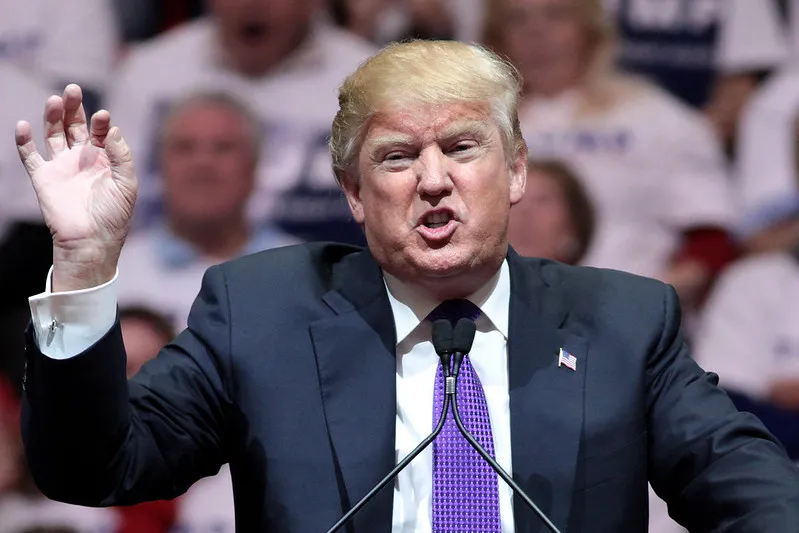
The legal landscape surrounding former President Donald Trump continues to evolve as he prepares to appeal a federal court ruling that has significant implications for his family, the Trump Organization, and their dealings with the Internal Revenue Service (IRS). At the heart of the matter is a multibillion-dollar settlement that the judge deemed an attempt to manipulate the judicial process for personal gain and to shield Trump and his affiliates from potential legal repercussions. As these legal battles unfold, they raise critical questions about the intersection of politics and law, the use of taxpayer dollars, and the accountability of public officials.
Central to this case is the ruling by U.S. District Judge Kathleen Williams, who, in her July 13 decision, concluded that Trump’s lawsuit against the IRS was filed for an “improper purpose.” The judge's findings suggest a deliberate effort to leverage the judicial system to confer immunity upon Trump and his associates while simultaneously utilizing billions of taxpayer dollars. With Trump's legal team announcing their intention to appeal, the stakes are high, not only for the former President but for the broader implications of how legal disputes involving public figures are handled in the courts.

Understanding the Case Background
The backdrop to this lawsuit is a controversial leak of Trump's tax records by a former IRS contractor, who pled guilty in 2023 to unauthorized access and distribution of confidential information. This individual is currently serving a five-year prison sentence for his actions. The leak raised eyebrows, particularly when it was revealed that Trump reported paying only $750 in federal income taxes in both 2016 and 2017, a figure that drew widespread criticism and scrutiny.
In response to the leak and subsequent public outcry, Trump filed a lawsuit against the IRS, claiming that the agency had allowed politically motivated employees to compromise his private information. This lawsuit aimed to secure a settlement that would grant immunity to Trump, his family, and affiliated entities from future tax-related claims. However, Judge Williams found that the lawsuit was less about protecting rights and more about manipulating the judicial process to achieve favorable outcomes for Trump.

Judge Williams’ Ruling: Key Findings
In her ruling, Judge Williams articulated several critical points that underpin her decision:
- Improper Purpose: The judge concluded that the lawsuit was not merely an effort to vindicate rights but rather a strategy to manipulate the judicial process.
- Conflict of Interest: Williams emphasized the dual role of Trump as both plaintiff and defendant, asserting that this conflict undermined any claim to impartiality in the proceedings.
- Taxpayer Dollars: The ruling highlighted concerns over the use of taxpayer money in what the judge described as an attempt to confer immunity on politically connected individuals.
These findings suggest that the courts are unwilling to allow political figures to exploit legal mechanisms for personal benefit, particularly when it comes to taxpayer resources. Williams stated that the proposed settlement could not be viewed as a standard agreement, given the unique circumstances surrounding Trump's presidency and the overarching interests involved.

Trump’s Appeal: Legal Arguments and Implications
In light of Judge Williams' ruling, Trump's legal team is mounting an appeal that argues several key points:
The appeal contends that Williams overstepped her authority by transforming what should have been a straightforward statutory dispute into a broader sanctions proceeding. Trump's lawyers assert that the judge incorrectly characterized the lawsuit as collusive and accused the plaintiffs and their counsel of bad faith. In their view, the ruling has damaging implications for their professional reputations and legal rights.
Moreover, Trump's legal team is questioning the validity of the sweeping injunction imposed by Williams, which effectively prevents any future reference to the proposed settlement agreement. They argue that such a restriction is unprecedented and infringes upon their right to pursue legal remedies. This appeal process will not only further delay any potential resolution of the IRS settlement but could also set important precedents for how similar cases are handled in the future.
The Broader Implications of the Case
This legal battle extends beyond the confines of Trump's personal interests; it touches on critical issues of public trust, the role of government agencies like the IRS, and the accountability of those in power. The creation of a $1.8 billion “anti-weaponization” fund by the Justice Department in response to this case underscores the government's commitment to addressing perceived abuses of power and ensuring that taxpayer money is not misused in political disputes.
The case also raises essential questions about the transparency and integrity of the IRS. As the agency responsible for collecting taxes and enforcing tax laws, any perceived politicization or misuse of its resources can have far-reaching consequences for public confidence in the tax system. The ongoing scrutiny of Trump's tax filings and the IRS's handling of those records will likely continue to be a point of contention as the appeal progresses.

Key Takeaways
- Legal Manipulation Concerns: The court has found that Trump's lawsuit against the IRS was an attempt to manipulate the judicial process.
- Taxpayer Implications: The case raises serious concerns about the use of taxpayer dollars in legal disputes involving public figures.
- Potential Precedents: The outcome of the appeal could set significant legal precedents regarding the conduct of public officials in the courts.
- Ongoing Scrutiny: Trump's tax filings and the IRS's practices will remain under intense scrutiny as this case unfolds.
Frequently Asked Questions
What led to the IRS settlement dispute involving Trump?
The dispute arose after a former IRS contractor leaked confidential tax records belonging to Trump and others, prompting the former president to file a lawsuit against the IRS seeking a multibillion-dollar settlement that would provide immunity from future tax claims. Judge Williams ruled that the lawsuit was improperly motivated and manipulated the judicial process.
What are the potential consequences of the court's ruling?
The ruling has immediate implications for Trump, as it blocks his proposed settlement, and it raises broader questions about how public officials can leverage the court system for personal benefit. The case may set legal precedents influencing future disputes involving political figures and taxpayer resources.
How will Trump's appeal affect the legal proceedings?
Trump's appeal aims to challenge the legitimacy of Judge Williams' ruling and may extend the legal process significantly. The appellate court will review the arguments presented by Trump's legal team, which could lead to a reversal of the lower court's decision or further affirm the findings of Judge Williams.
What does the term 'anti-weaponization' fund refer to?
The 'anti-weaponization' fund, created by the Justice Department in response to the IRS settlement case, is intended to address concerns about the politicization of government agencies and ensure that taxpayer dollars are not misused for political purposes. It underscores the government's commitment to maintaining accountability in legal proceedings involving public figures.
Comments
New York Takes Legal Action Against Kalshi for Alleged Illegal Gambling
New York state has initiated a lawsuit against Kalshi, claiming the online prediction market is operating illegally by allowing users under 21 to participate, violating state gambling laws. The lawsuit seeks $36 billion in penalties and restitution for New Yorkers.

Related articles


Popular in Business Law
- Supreme Court Justices' Financial Disclosures: A Closer Look
- Vishal Garg's Leadership Fallout: The Rise and Fall of Better.com
- Former Intelligence Official Faces Penalty for Post-Government Misconduct
- Blank Rome Faces Lawsuit After Major Data Breach Exposes Personal Information
- Congress Faces Reckoning Over Member-Staff Relationships