Capital One's Closure of Trump Organization Accounts: A Legal Perspective
Capital One's closure of Trump Organization accounts, alleged to be linked to money laundering, raises significant legal questions. The bank cites anti-money laundering protocols, while the Trump Organization claims political bias.
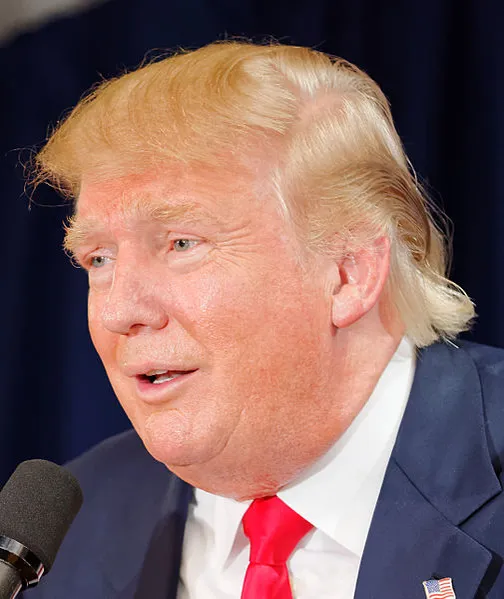
The banking world is no stranger to controversy, especially when high-profile names and significant sums of money are involved. Recently, Capital One's decision to close hundreds of bank accounts belonging to the Trump Organization has sparked a legal battle, raising questions about the intersection of banking practices, anti-money laundering regulations, and alleged political motivations. The focus of this dispute isn't just about money; it touches on deeper issues of governance, accountability, and the responsibilities of financial institutions in monitoring potentially illicit activities.
In a motion filed in a Florida court, Capital One has requested the dismissal of a lawsuit brought by the Trump Organization regarding the closure of these accounts, arguing that the decision was not influenced by the events of January 6, 2021, but rather was the result of a thorough anti-money laundering (AML) review process. The bank insists that its actions were in compliance with federal banking guidance, which flags certain transaction patterns as suspicious. This article will delve into the legal ramifications of Capital One's actions, the claims made by the Trump Organization, and what this means for both parties involved.

Understanding Anti-Money Laundering Regulations
Anti-money laundering (AML) laws are designed to prevent financial institutions from being used to facilitate the transfer of illicit funds. In the U.S., banks are required to have robust systems in place to detect suspicious activity and report it to the authorities. This includes monitoring transaction patterns that may indicate money laundering, such as unusually large deposits, frequent cash transactions, or transactions that do not align with the account holder's business profile.
Capital One asserts that its decision to close the Trump Organization's accounts was driven by specific transaction patterns identified during a months-long AML review. The bank's financial-crimes team, which is composed of experts with extensive law enforcement backgrounds, conducted a rigorous analysis before making the closure decision. According to the bank, this was a necessary action to ensure compliance with federal regulations and to mitigate risk associated with potentially unlawful activities.

The Legal Claims: Capital One vs. Trump Organization
The Trump Organization's lawsuit against Capital One alleges that the bank's motivations for closing the accounts were politically charged, claiming that the bank sought to distance itself from the president following the January 6 Capitol riots. The organization argues that the bank invented the anti-money laundering rationale as a pretext for terminating their accounts. This claim points to a broader narrative that some financial institutions are allegedly targeting conservative figures.
However, Capital One counters this narrative by arguing that the Trump Organization's lawsuit is based on “cherry-picked quotations” that do not represent the full context of their internal decision-making process. The bank maintains that it did not publicize the reasons behind the account closures and that it had provided the Trump Organization with ample time to transition their assets elsewhere.
Key Legal Concepts at Play
In the context of this case, several key legal concepts are crucial:
- Liability: The bank must demonstrate that it acted within its rights to close the accounts based on legitimate concerns about compliance with AML regulations.
- Standards of Proof: The Trump Organization will need to provide evidence supporting its claims of political bias and wrongful termination of accounts.
- Statutes of Limitation: The timeline of events leading up to the lawsuit will be critical in determining the validity of the claims made by both parties.

The Broader Implications of the Case
This case is more than a simple banking dispute; it reflects the heightened tensions between financial institutions and political entities in the wake of the January 6 events. The Trump Organization's claims tap into a growing sentiment among some conservative groups that they are facing discrimination from businesses and financial institutions. The outcome of this lawsuit could set a precedent regarding how banks manage politically sensitive accounts and the extent to which they can be held accountable for their decisions.
Moreover, if the court sides with Capital One, it could reinforce the idea that banks have a legal obligation to prioritize compliance with federal regulations, even if it means severing ties with politically prominent clients. Conversely, a ruling in favor of the Trump Organization could embolden other high-profile figures to challenge banks on similar grounds, potentially leading to a wave of litigation against financial institutions.
Key Takeaways
- Capital One closed Trump Organization accounts due to anti-money laundering concerns, according to their legal filings.
- The Trump Organization claims the closures were politically motivated, stemming from events surrounding January 6.
- The case raises important questions about the responsibilities of banks and the implications of financial discrimination.
- A ruling could set a significant precedent for future banking practices regarding politically sensitive accounts.
Frequently Asked Questions
What are the potential outcomes of this lawsuit?
The potential outcomes of this lawsuit include Capital One's motion to dismiss being granted, which would end the case, or a trial being held if the court finds enough merit in the Trump Organization's claims. If the case proceeds to trial, it could delve into the specifics of the bank's AML review process and the motivations behind the account closures, potentially revealing internal communications and decision-making practices.
How do anti-money laundering laws affect banks?
Anti-money laundering laws require banks to implement comprehensive compliance programs that include monitoring and reporting suspicious activities. Failure to comply can result in severe penalties, including hefty fines and reputational damage. These laws are crucial in ensuring that banks do not become conduits for illegal activities, such as drug trafficking and terrorism financing.
What does this case mean for other financial institutions?
This case may have significant implications for other financial institutions regarding how they handle politically sensitive accounts. A ruling favoring Capital One may encourage banks to adopt stricter protocols for account management, especially for clients with controversial backgrounds. Conversely, a ruling for the Trump Organization could lead to financial institutions re-evaluating their policies in light of potential legal repercussions from clients claiming political bias.
Are there broader implications for free speech?
The allegations of political bias in this case could raise broader questions about free speech and the extent to which businesses can engage in politically motivated actions. If financial institutions are seen as punishing clients for their political beliefs, it could lead to debates over the balance between corporate responsibility and freedom of expression.
This content is general information and not legal advice.
Comments
New York Takes Legal Action Against Kalshi for Alleged Illegal Gambling
New York state has initiated a lawsuit against Kalshi, claiming the online prediction market is operating illegally by allowing users under 21 to participate, violating state gambling laws. The lawsuit seeks $36 billion in penalties and restitution for New Yorkers.

Related articles


Popular in Business Law
- Supreme Court Justices' Financial Disclosures: A Closer Look
- Vishal Garg's Leadership Fallout: The Rise and Fall of Better.com
- Former Intelligence Official Faces Penalty for Post-Government Misconduct
- Blank Rome Faces Lawsuit After Major Data Breach Exposes Personal Information
- Congress Faces Reckoning Over Member-Staff Relationships