Shari S. Laskowitz Takes the Helm as Co-Chair of Tarter Krinsky & Drogin’s Landlord & Tenant Practice
Shari S. Laskowitz has been appointed as Co-Chair of Tarter Krinsky & Drogin’s Landlord & Tenant Practice. With over 25 years of experience, she aims to expand the firm's real estate dispute capabilities and mentor the next generation of attorneys.
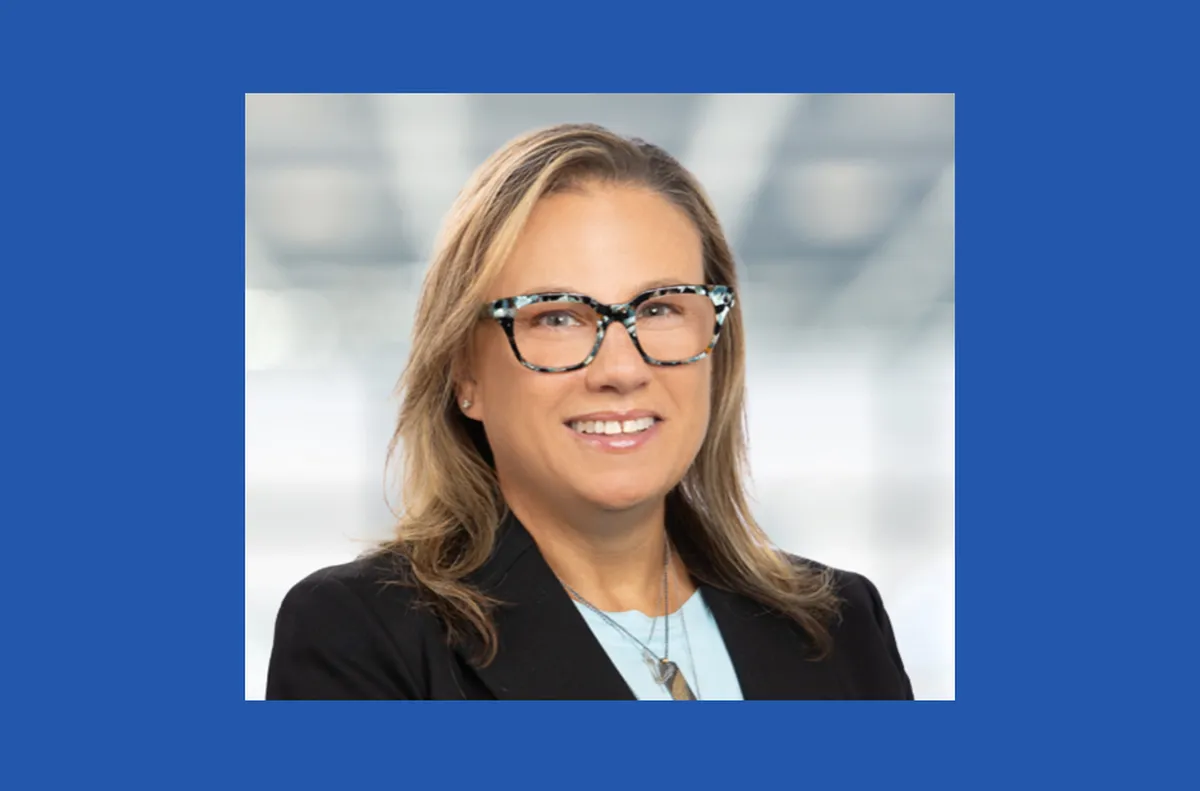
In a significant move within the real estate legal landscape, Shari S. Laskowitz has been appointed as Co-Chair of the Landlord & Tenant Practice at Tarter Krinsky & Drogin, effective immediately. This role is pivotal as the firm seeks to bolster its capabilities amid the complexities of New York's dynamic real estate market. Laskowitz’s appointment comes at a time when the interplay of legislation, market shifts, and tenant rights is increasingly complex, making her extensive experience particularly valuable to clients navigating these challenges.
With over 25 years of legal expertise, Laskowitz joins the firm after a strategic transition from Ingram Yuzek, where she was part of a notable 18-member team. Her background includes representing a diverse array of stakeholders—commercial and residential landlords, co-op and condominium boards, and various real estate entities—in disputes that span from breach of contract to more intricate issues like compliance with the Americans with Disabilities Act (ADA). This breadth of experience positions her uniquely to address the multifaceted disputes that arise in landlord-tenant relationships.

A Veteran Litigator in Real Estate Law
Laskowitz’s career is characterized by a commitment to understanding the nuances of real estate law. She brings to Tarter Krinsky & Drogin a track record of managing high-stakes disputes that require not only legal acumen but also strategic foresight. Her ability to navigate the intricacies of New York State courts, coupled with her experience in arbitration through organizations like the American Arbitration Association and JAMS, enhances the firm’s offerings to clients facing real estate disputes.
Her portfolio of work includes:
- **Breach of contract litigation**: Disputes arising from contracts between landlords and tenants.
- **Real estate tax issues**: Navigating disputes over property taxes and assessments.
- **Community opposition**: Addressing issues from local communities that may impact real estate projects.
- **Brokerage agreements**: Handling disputes related to commissions and agreements with real estate brokers.
- **ADA compliance**: Ensuring properties meet federal regulations regarding accessibility.
Commitment to Mentorship and Development
Laskowitz’s leadership role is not solely about managing cases; it also includes a strong emphasis on mentoring the next generation of attorneys. Her commitment to professional development within the firm is evident in her collaborative approach, which she believes is fundamental to fostering a successful legal practice. “What stands out about Shari is not only the depth of her experience, but the way she brings people along with her,” said Alan Tarter, Managing Partner. This commitment to mentorship is crucial in a field where the legal landscape is rapidly evolving, and new lawyers must adapt to emerging trends and client needs.

Innovating Within the Practice
With the establishment of Tarter Krinsky & Drogin’s new Office of AI and Innovation, Laskowitz sees a golden opportunity to enhance how the firm addresses client needs. The integration of technology in legal practices—especially in managing complex disputes—can lead to more efficient resolution strategies. “As the group continues to grow, I see a meaningful opportunity to build on the momentum we have created,” Laskowitz stated. Her vision includes leveraging technology to streamline processes and improve the sharing of knowledge across cases, which could ultimately lead to more consistent and effective legal strategies for recurring client issues.
The Broader Context of Landlord-Tenant Law
The appointment of Laskowitz comes at a critical juncture for landlord-tenant law in the United States, particularly in urban centers like New York City. Various factors, including rising rents, housing shortages, and changing tenant demographics, have made this area of law increasingly relevant and complex. Legal practitioners must navigate a web of local, state, and federal regulations that govern the landlord-tenant relationship.
This complexity is amplified by ongoing discussions about tenant rights, eviction moratoriums, and the balancing act between landlord interests and tenant protections. As cities grapple with housing crises, the role of attorneys like Laskowitz becomes essential in advocating for their clients while also considering the broader implications of their legal strategies on community dynamics.

Key Takeaways
- Shari S. Laskowitz is now Co-Chair of Tarter Krinsky & Drogin’s Landlord & Tenant Practice.
- Her 25+ years of experience includes managing complex disputes in real estate.
- Laskowitz emphasizes mentorship and the development of junior attorneys.
- Her leadership coincides with the firm’s focus on innovation and technology in legal practices.
- The landscape of landlord-tenant law is increasingly complex, requiring sophisticated legal strategies.
Frequently Asked Questions
What is the significance of Shari S. Laskowitz's appointment?
Shari S. Laskowitz's appointment as Co-Chair is significant because it reflects a strategic move by Tarter Krinsky & Drogin to enhance its capabilities in a challenging legal environment. Her extensive experience in landlord-tenant law and her commitment to mentorship signal a focus on both immediate client needs and long-term firm growth.
How does technology influence the Landlord & Tenant Practice?
The integration of technology, particularly through the firm's new Office of AI and Innovation, allows for more streamlined processes in managing legal disputes. By utilizing advanced tools and strategies, the firm can enhance its efficiency in handling cases, ultimately providing better service to clients and adapting to the fast-paced nature of real estate law.
What are the current challenges in landlord-tenant law?
Landlord-tenant law faces several challenges, including rising rents, housing shortages, and evolving tenant rights. Attorneys must navigate a complex web of regulations while advocating for their clients, which requires a deep understanding of both the law and the socio-economic factors at play in urban settings.
Why is mentorship important in the legal profession?
Mentorship is crucial in the legal profession as it helps cultivate the next generation of lawyers. Experienced attorneys like Laskowitz play a vital role in guiding junior lawyers, sharing knowledge, and fostering skills that are essential for success in a rapidly changing legal landscape. This investment in professional development benefits both the individual lawyers and the firm as a whole.
Comments
U.S. Legal Support Enhances Trial Services with Comprehensive Solutions
U.S. Legal Support has expanded its trial services through TrialQuest, offering integrated logistics, technology, and on-site support. This transformation aims to streamline trial preparations and keep attorneys focused on case strategy.
Related articles



Popular in Business Law
- Supreme Court Justices' Financial Disclosures: A Closer Look
- Vishal Garg's Leadership Fallout: The Rise and Fall of Better.com
- Former Intelligence Official Faces Penalty for Post-Government Misconduct
- Blank Rome Faces Lawsuit After Major Data Breach Exposes Personal Information
- Congress Faces Reckoning Over Member-Staff Relationships