Bruce Springsteen Lawsuit Dismissed: Key Legal Insights
An appellate court has upheld the dismissal of a lawsuit involving Bruce Springsteen's album cover. This decision highlights important legal principles regarding publicity rights and the use of likeness in commercial contexts.
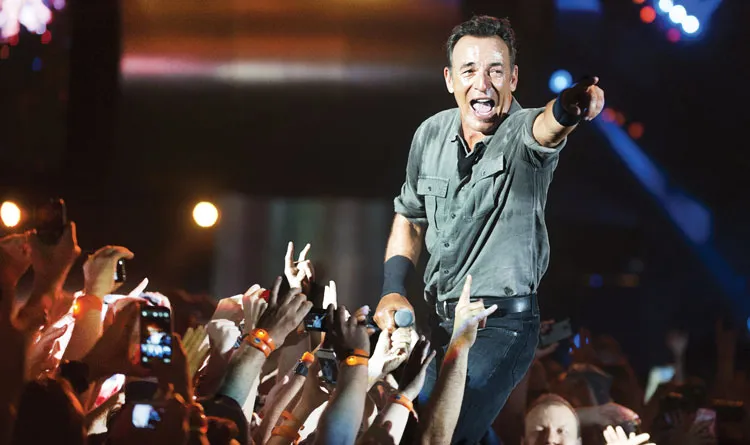
The world of music and art often intersects with complex legal issues, particularly concerning an artist's right to their likeness and the commercial use of their image. Recently, a notable case involving iconic musician Bruce Springsteen has drawn attention to these critical legal tenets. An appellate court has upheld the dismissal of a lawsuit that claimed Springsteen’s album cover was used without proper consent, raising significant questions about publicity rights and the limits of artistic expression.
This case not only speaks to the rights of artists but also highlights the ongoing tension between creativity and commercial use in the entertainment industry. For many artists, the ability to control the use of their likeness is paramount, as it can directly affect their brand and financial interests. Understanding the nuances of such legal battles is essential for anyone involved in the creative sectors, from musicians to visual artists.
Background on the Lawsuit
The lawsuit in question was filed by a photographer who alleged that Springsteen's album cover unlawfully utilized his work without obtaining the necessary permissions. The legal basis of the claim rested on the assertion of publicity rights, which protect individuals from unauthorized commercial use of their name, image, and likeness. Publicity rights vary by state, with some offering robust protections while others have more limited statutes.
What Are Publicity Rights?
Publicity rights, also known as the right of publicity, grant individuals the ability to control how their image and likeness are used commercially. This concept is rooted in the idea that individuals should have the ability to profit from their identity. In many states, these rights can extend to the heirs of a deceased celebrity, allowing estates to protect their brand even after death.
Legal Proceedings and Court Rulings
Initially, the lower court dismissed the lawsuit, asserting that the image in question did not violate any publicity rights. The photographer appealed the decision, arguing that the use of the image was indeed commercial and unauthorized. However, the appellate court upheld the lower court's decision, emphasizing the importance of artistic expression and the transformative nature of the album cover.
The Transformative Use Test
One key aspect of the court's ruling involved the transformative use test, which assesses whether a new work adds something more to the original image or whether it simply replicates it. In this case, the court found that Springsteen's album cover constituted transformative use, as it was not merely a reproduction of the original photograph but rather an artistic interpretation that contributed to the album's themes and messages.
Implications for Artists and Photographers
The outcome of this case carries significant implications for both artists and photographers. For musicians and visual artists, the decision underscores the need for careful consideration when using third-party images in their work. It highlights the importance of obtaining proper licenses and permissions to avoid potential legal entanglements. On the other hand, photographers may feel the impact of the ruling as it delineates the boundaries of their rights when it comes to the commercial use of their images.
- Understanding Transformative Use: Artists must recognize the criteria that define transformative use to defend their work legally.
- Importance of Licensing: Securing the rights to use an image is crucial for avoiding legal disputes.
- Impact on Creative Expression: This ruling emphasizes the balance between protecting rights and fostering artistic creativity.
Key Takeaways
- The appellate court affirmed the dismissal of Bruce Springsteen's lawsuit regarding album cover rights.
- Publicity rights are critical for protecting an individual's likeness in commercial contexts.
- Transformative use is a vital legal standard that can impact future cases involving artistic works.
- Artists must be diligent in securing permissions for third-party images used in their creations.
Frequently Asked Questions
What are publicity rights, and how do they differ by state?
Publicity rights refer to an individual's ability to control the commercial use of their name, image, and likeness. These rights vary significantly by state; for instance, California offers extensive protections, while others, like New York, have more limited statutes. Understanding the particular laws in your state is crucial for artists and creators to avoid infringing on these rights.
What constitutes transformative use in legal terms?
Transformative use occurs when a new work adds significant creative elements to an existing image or idea, thus altering its original purpose or meaning. Courts often evaluate whether the new work offers something distinct that moves beyond mere replication. This standard is essential for determining whether a work falls within fair use or violates publicity rights.
How can artists protect themselves legally when using images?
Artists should always seek permission and obtain licenses when using images created by others. This process may involve negotiating terms of use and understanding the scope of the rights being granted. Additionally, keeping thorough documentation of agreements can protect against future disputes. Engaging with a legal professional specializing in intellectual property can also provide valuable insights and guidance.
What should photographers do if their work is used without permission?
If a photographer discovers that their work has been used without consent, they should first assess the extent of the use and gather evidence. They may then consider contacting the individual or entity that used the image to seek resolution, which could involve negotiation for compensation or credit. If necessary, pursuing legal action may be a viable option, particularly if the use is egregious or widespread. Consulting with an attorney who specializes in copyright and publicity rights can provide strategic direction for any potential claims.
Finally, the balance between creative expression and commercial rights remains a critical area of law that continues to evolve, as artists and photographers navigate the complex landscape of copyright and publicity rights in the digital age. This case serves as a reminder of the importance of understanding these rights within the entertainment industry.

Comments
Shari S. Laskowitz Takes the Helm as Co-Chair of Tarter Krinsky & Drogin’s Landlord & Tenant Practice
Shari S. Laskowitz has been appointed as Co-Chair of Tarter Krinsky & Drogin’s Landlord & Tenant Practice. With over 25 years of experience, she aims to expand the firm's real estate dispute capabilities and mentor the next generation of attorneys.

Related articles



Popular in Business Law
- Supreme Court Justices' Financial Disclosures: A Closer Look
- Vishal Garg's Leadership Fallout: The Rise and Fall of Better.com
- Former Intelligence Official Faces Penalty for Post-Government Misconduct
- Blank Rome Faces Lawsuit After Major Data Breach Exposes Personal Information
- Congress Faces Reckoning Over Member-Staff Relationships