Judicial Ethics Under Scrutiny: A Judge's DUI Conviction and Its Implications
A judge's DUI conviction raises critical questions about the integrity of the judiciary. Despite undergoing rehabilitation, he has indicated no intention to resign, bringing to light the complexities of judicial accountability.
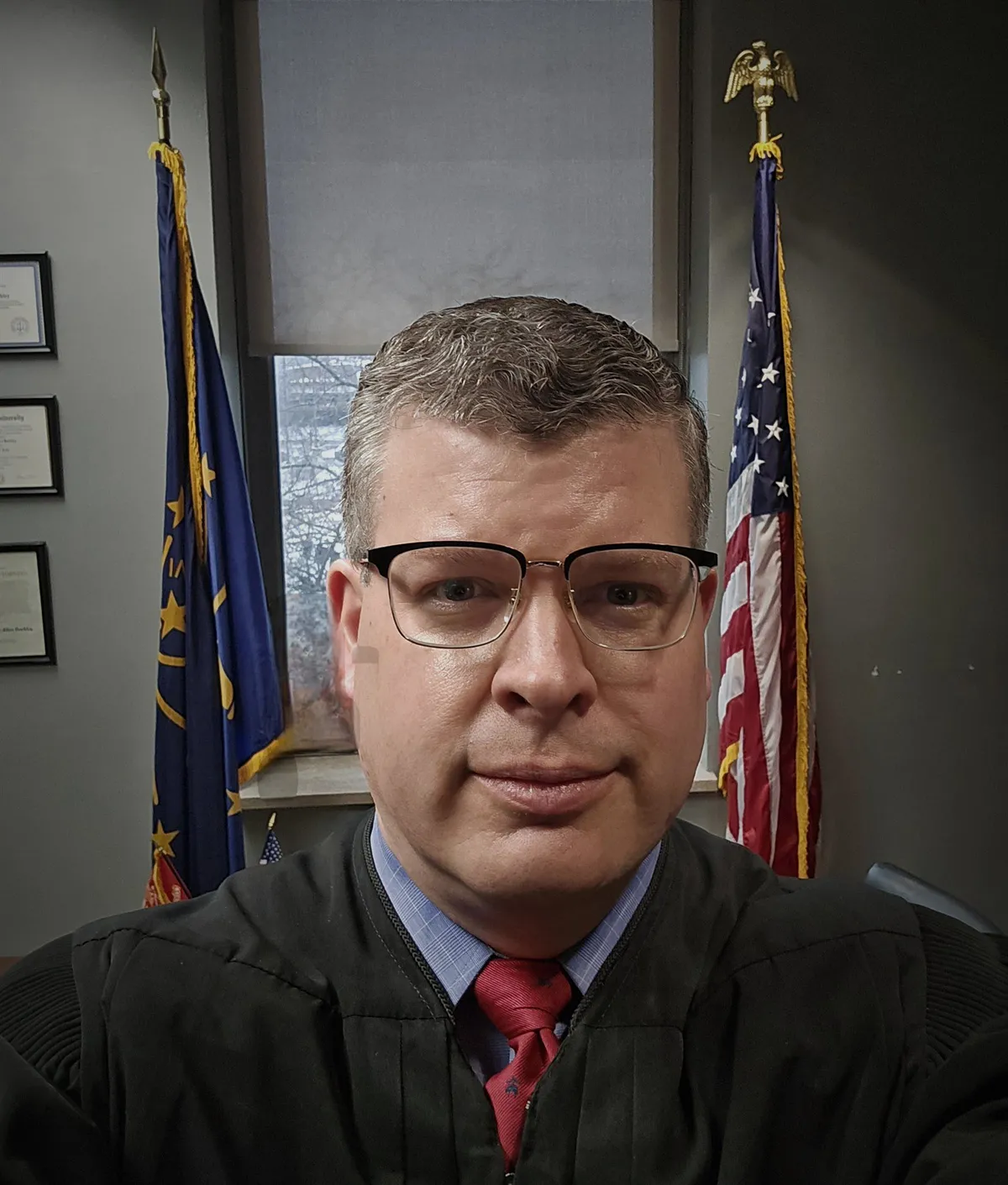
In recent news that has shaken public confidence in the judicial system, a judge has been convicted of driving under the influence (DUI) and is currently seeking rehabilitation. Despite this serious legal transgression, the judge has announced he has no plans to resign from his position. This situation not only raises questions about individual accountability but also shines a spotlight on broader issues related to ethics within the judiciary.
Judges are expected to uphold the law with the utmost integrity, serving as role models within their communities. When a judge is convicted of a crime, especially one involving public safety like DUI, it prompts a reevaluation of what accountability means in the judicial context. The fact that this judge continues to fulfill his duties despite the conviction has sparked outrage among some legal experts and members of the public.
Understanding DUI Convictions in the Judicial Context
Driving under the influence is a serious offense that can have far-reaching consequences, not just for the offender but for public perception of the legal system. In the United States, DUI laws vary by state, but generally, a conviction can lead to fines, license suspension, and even jail time. For judges, the stakes are even higher.
The Legal Framework Surrounding Judicial Conduct
Judges are governed by a strict code of conduct that emphasizes integrity, impartiality, and respect for the law. The American Bar Association (ABA) provides a Model Code of Judicial Conduct that outlines the ethical responsibilities of judges. Violating these ethical standards can lead to disciplinary actions, which may include censure, suspension, or removal from the bench. However, the process for disciplining judges can be complex and varies significantly from state to state.
The Role of Rehabilitation
Rehabilitation is often a key component in addressing substance abuse issues, including alcohol dependence. In this case, the judge’s decision to enter rehabilitation may be viewed as a positive step toward personal accountability and recovery. However, the effectiveness of rehabilitation in restoring public trust is still a matter of debate.
Public Perception and Trust
The public's trust in the judicial system is paramount. When a judge has been convicted of a crime, particularly one that poses a risk to public safety, it can erode that trust. Legal experts argue that the perception of judicial integrity is crucial for the functioning of the legal system. If judges are seen as above the law, it can lead to widespread cynicism about the fairness and impartiality of legal proceedings.
What Happens Next? The Path Forward for Judicial Accountability
With the judge's refusal to resign, the next steps will likely involve a review by the relevant judicial oversight bodies. These organizations are responsible for addressing violations of judicial conduct and can impose sanctions if deemed necessary. The outcomes of such reviews can vary widely, and the process is often lengthy and opaque.
- Judicial Oversight: Each state has a commission or board that oversees judicial conduct.
- Potential Sanctions: Possible actions include censure, suspension, or removal.
- Public Impact: Continued public scrutiny can influence the commission's decisions.
Key Takeaways
- The DUI conviction of a judge raises significant concerns about accountability in the judiciary.
- The implications of such convictions extend beyond the individual, affecting public trust in the legal system.
- Rehabilitation is only one part of the equation in restoring a judge's credibility.
- Judicial oversight bodies play a crucial role in addressing ethical violations.

Frequently Asked Questions
What are the potential consequences for a judge convicted of DUI?
A judge convicted of DUI may face a range of consequences, including fines, license suspension, and even jail time, similar to any individual convicted of the offense. However, the judge may also face disciplinary action from judicial oversight bodies, which can include censure, suspension, or removal from the bench, depending on the severity of the offense and the specific laws governing judicial conduct in that state.
Can a judge continue to serve after a DUI conviction?
Yes, a judge may continue to serve after a DUI conviction, although this can depend on the state's judicial conduct rules and the actions taken by judicial oversight bodies. In some cases, the judge may be required to undergo rehabilitation or other corrective measures. The continuing service of a judge post-conviction can be controversial and often leads to public outcry regarding the integrity of the judiciary.
How does public perception impact judicial accountability?
Public perception plays a critical role in judicial accountability. When the public loses trust in the integrity of judges and the legal system, it can undermine the rule of law and the effectiveness of legal proceedings. Judges are expected to set an example, and any misconduct can lead to significant backlash, prompting calls for reform in how judicial ethics are enforced.
What steps can be taken to improve judicial accountability?
Improving judicial accountability may involve a combination of stricter enforcement of ethical standards, increased transparency in the disciplinary process, and public education about judicial conduct. Advocacy for reforms can be driven by both legal professionals and the public to ensure that judges are held accountable for their actions and that the integrity of the judicial system is maintained.
Disclaimer: The content is general information and not legal advice.
Comments
Shari S. Laskowitz Takes the Helm as Co-Chair of Tarter Krinsky & Drogin’s Landlord & Tenant Practice
Shari S. Laskowitz has been appointed as Co-Chair of Tarter Krinsky & Drogin’s Landlord & Tenant Practice. With over 25 years of experience, she aims to expand the firm's real estate dispute capabilities and mentor the next generation of attorneys.

Related articles







Popular in Business Law
- Supreme Court Justices' Financial Disclosures: A Closer Look
- Vishal Garg's Leadership Fallout: The Rise and Fall of Better.com
- Former Intelligence Official Faces Penalty for Post-Government Misconduct
- Blank Rome Faces Lawsuit After Major Data Breach Exposes Personal Information
- Congress Faces Reckoning Over Member-Staff Relationships