Escalating Tensions: Iraq Confirms Pipeline Attack Originating from Its Territory
The recent attack on a vital Saudi oil pipeline raises significant geopolitical tensions in the Middle East, with Iraq confirming the assault came from its territory. This article explores the implications of these developments on regional stability and oil prices.
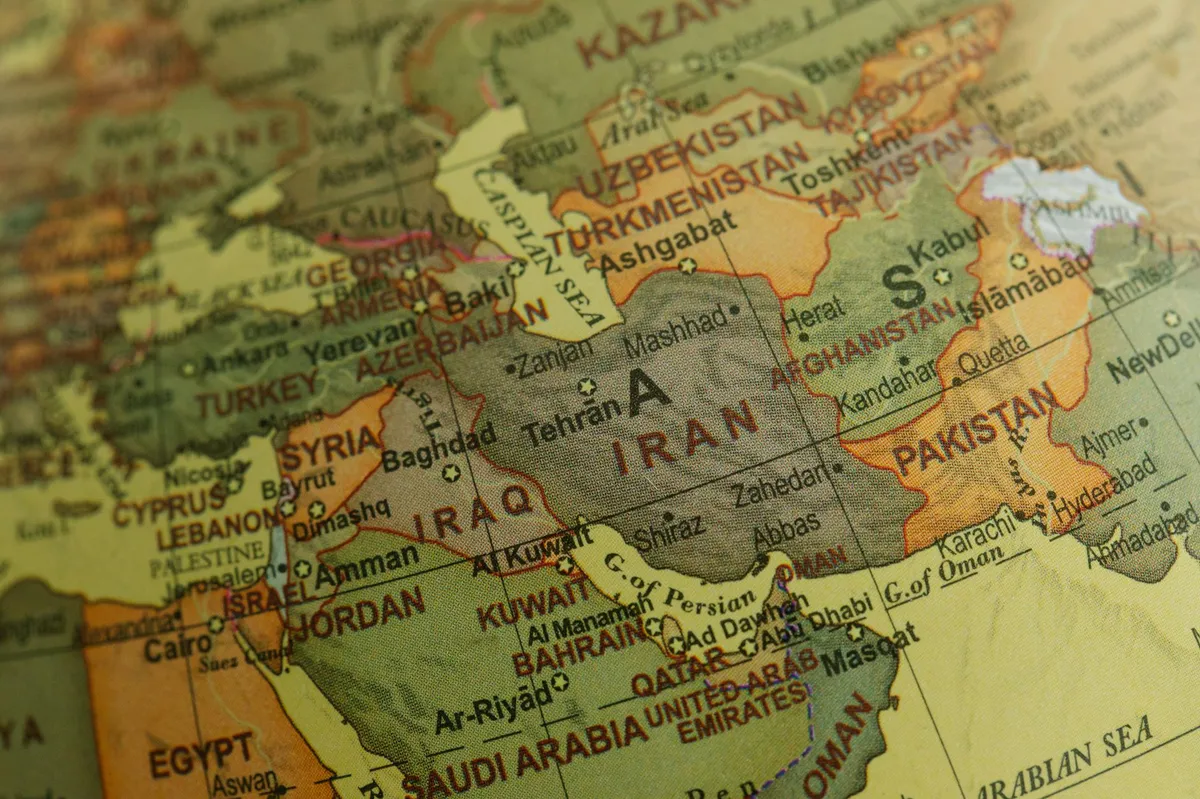
The geopolitical landscape of the Middle East has grown increasingly fragile following Iraq's confirmation that recent attacks on a crucial Saudi oil pipeline were launched from its territory. In a world where energy supplies are vital to economic stability, this incident has sparked concerns about escalating tensions, particularly between Iran and its regional adversaries. The implications of this attack stretch beyond immediate security issues, potentially affecting global oil prices and international shipping routes.
On the heels of the attack, U.S. President Donald Trump suggested that Iran is likely behind the assault, which halted operations on the pipeline. His remarks came during a visit to Dublin, where he also indicated that discussions with the Iran-backed Houthi rebels had occurred, revealing a complex web of international diplomacy at play.
Background of the Pipeline Attack
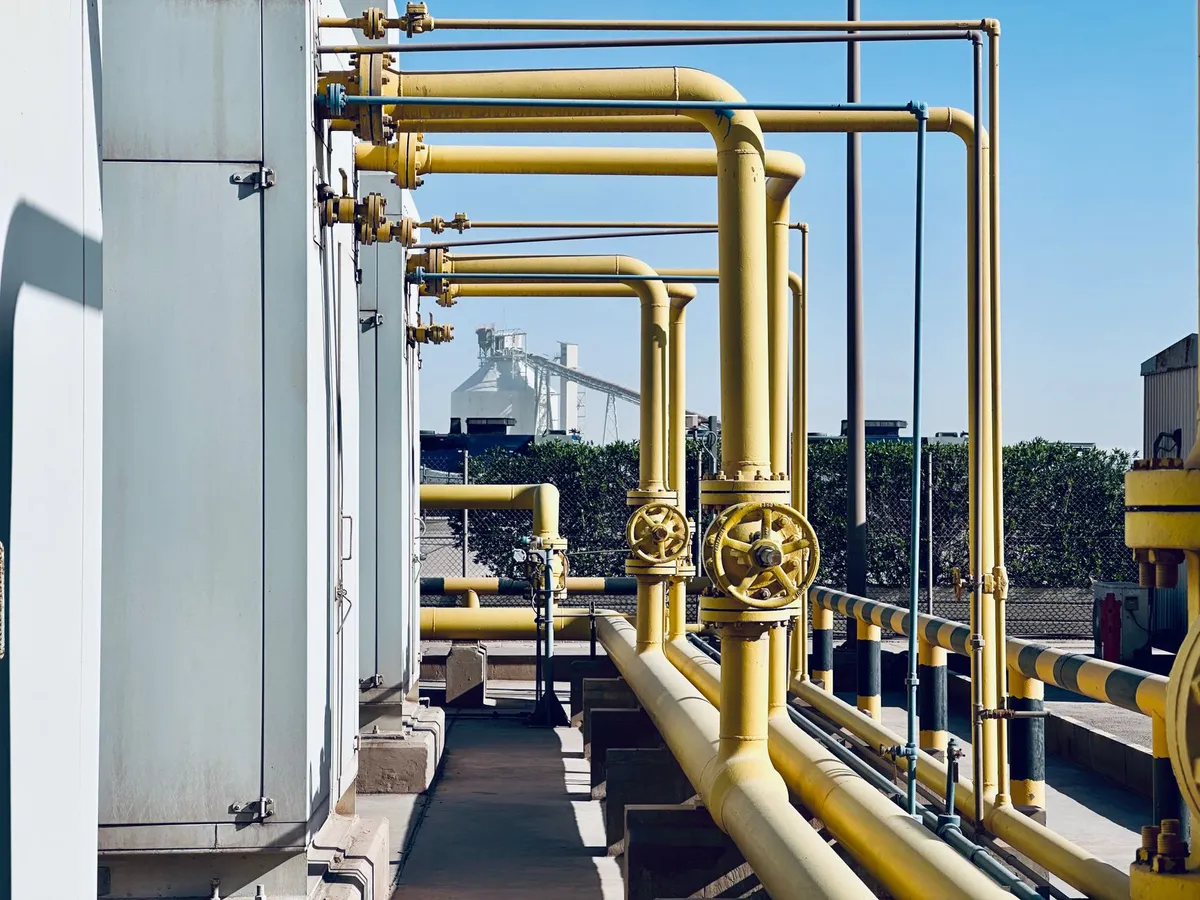
The Saudi Arabian East-West pipeline is a critical infrastructure component for the nation, facilitating the transport of oil from the eastern provinces to the Red Sea. Following the outbreak of the Iran conflict, which has severely disrupted shipping in the Strait of Hormuz, the significance of this pipeline has only increased. The International Energy Agency reported that Saudi oil exports through the Red Sea have more than doubled in recent months.
In a statement, the Saudi Foreign Ministry attributed the attacks to drones launched from Iraq, leading to a precautionary shutdown of the pipeline. The Iraqi government, under Prime Minister Ali al-Zaidi, has responded by launching an investigation into the incident and dismissed a commander from the operations command in Maysan province. This swift action indicates the Iraqi government’s acknowledgment of the seriousness of the situation and its potential diplomatic repercussions.
Implications for Oil Prices and Global Markets
The ramifications of such attacks often reverberate through global markets, particularly in the oil sector. Following the incident, crude oil prices surged above $100 a barrel, reflecting heightened anxiety among traders. Analysts suggest that this price increase not only benefits Tehran's negotiating power but also places additional strain on economies reliant on stable oil prices.
- The price of crude has doubled since the onset of the Iran conflict.
- Saudi Arabia has shut down essential export routes as a precaution.
- Global oil markets are on edge, reacting to geopolitical instability.

Border Closures and Regional Responses
In a bid to contain the fallout from the attacks, Iraq has also announced the closure of two significant border crossings with Iran, halting all passenger and commercial traffic. The Shalamcheh and Chazabeh crossings, vital for trade between the two nations, will remain closed until further notice, as stated by Iranian officials. This closure underscores the seriousness with which the Iraqi government is treating the potential for further conflict and its desire to regain control over its territory.
In parallel, the Houthis, who have been backed by Iran, have seized a strategic island and captured a Red Sea port, further complicating the already volatile situation. This escalation raises concerns about the security of international shipping routes and the potential for rising gas and oil prices, which could affect consumers and businesses alike.
International Reactions and Future Outlook
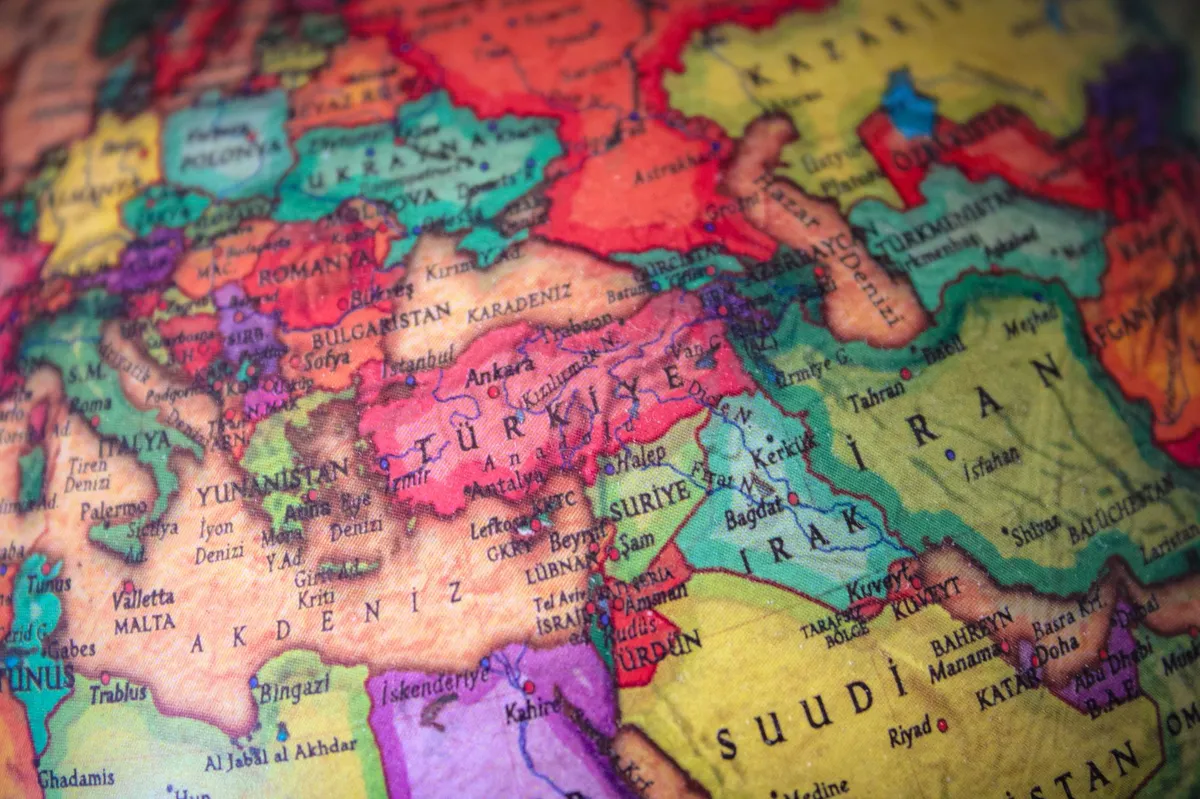
Global reactions to the pipeline attack have varied, with U.S. officials expressing support for Saudi Arabia while simultaneously engaging in dialogue with the Houthis. Trump’s comments indicated a complex balancing act between addressing the threats posed by Iran and maintaining dialogue with various regional players. As tensions rise, the international community watches closely, particularly with the upcoming talks between Lebanese and Israeli negotiators scheduled for next month.
The U.S. State Department has emphasized that the framework agreement reached in June remains the only viable mechanism to restore Lebanon's sovereignty and ensure Israel's security. Continued discussions between the U.S., Israel, and Lebanon are crucial as they navigate the intricacies of regional stability amidst escalating conflicts.
The Environmental Toll
In a related development, an oil spill in the Gulf of Oman, reportedly from a tanker attacked by the U.S. military, has doubled in size, posing risks to protected marine areas. Environmental groups have raised alarms about the long-term ecological impacts of such spills, which could exacerbate the already precarious environmental situation in the region.
Key Takeaways
- Iraq confirmed that drone attacks on a Saudi pipeline originated from its territory.
- The closure of two border crossings with Iran reflects Iraq's efforts to stabilize the situation.
- Crude oil prices have surged, indicating heightened market anxiety.
- The situation could further complicate international shipping and trade.
- Environmental concerns are escalating due to recent oil spills in the region.
Frequently Asked Questions
What was the nature of the attack on the Saudi pipeline?
The attack involved drones that were launched from a site in Iraq, targeting the East-West pipeline that is critical for Saudi Arabian oil exports. The incident prompted Saudi Arabia to halt operations on the pipeline as a precautionary measure.
How might this affect oil prices globally?
Given that crude prices have already surged above $100 a barrel following the attack, continued instability in the region could lead to further price increases. Traders are particularly sensitive to geopolitical tensions that can disrupt supply chains, making stability in the Middle East vital for global oil markets.
What are the implications of the border closures between Iraq and Iran?
The closures of the Shalamcheh and Chazabeh crossings signify Iraq's response to the potential for further conflict and its commitment to preventing additional attacks. This has immediate implications for trade and commerce between the two nations and could strain economic ties.
How is the international community responding to these tensions?
The international community, particularly the U.S., is closely monitoring the situation and engaging in discussions with various parties, including the Houthis. The balancing act involves supporting Saudi Arabia while facilitating dialogue that might lead to de-escalation in the region. Ongoing talks between Lebanon and Israel are also part of this broader diplomatic strategy.
_This article is intended for informational purposes only and does not constitute legal advice._
Comments
Escalating Tensions: Russia's Strikes on Ukraine Amid European Troop Warnings
Recent Russian airstrikes in Ukraine have resulted in civilian casualties and heightened geopolitical tensions. As President Putin warns Europe against military intervention, the situation continues to evolve, affecting both local populations and international relations.
Related articles



Popular in Business Law
- Supreme Court Justices' Financial Disclosures: A Closer Look
- Vishal Garg's Leadership Fallout: The Rise and Fall of Better.com
- Former Intelligence Official Faces Penalty for Post-Government Misconduct
- Blank Rome Faces Lawsuit After Major Data Breach Exposes Personal Information
- Congress Faces Reckoning Over Member-Staff Relationships