French Military Jets Embark on Ambitious Global Mission
In a bold display of military capability, four French fighter jets have initiated a 40-day journey across three continents, emphasizing alliances and international cooperation amid rising global tensions. This extensive operation, dubbed Pegase 26, highlights the importance of collaborative defense strategies in an ever-evolving geopolitical landscape.
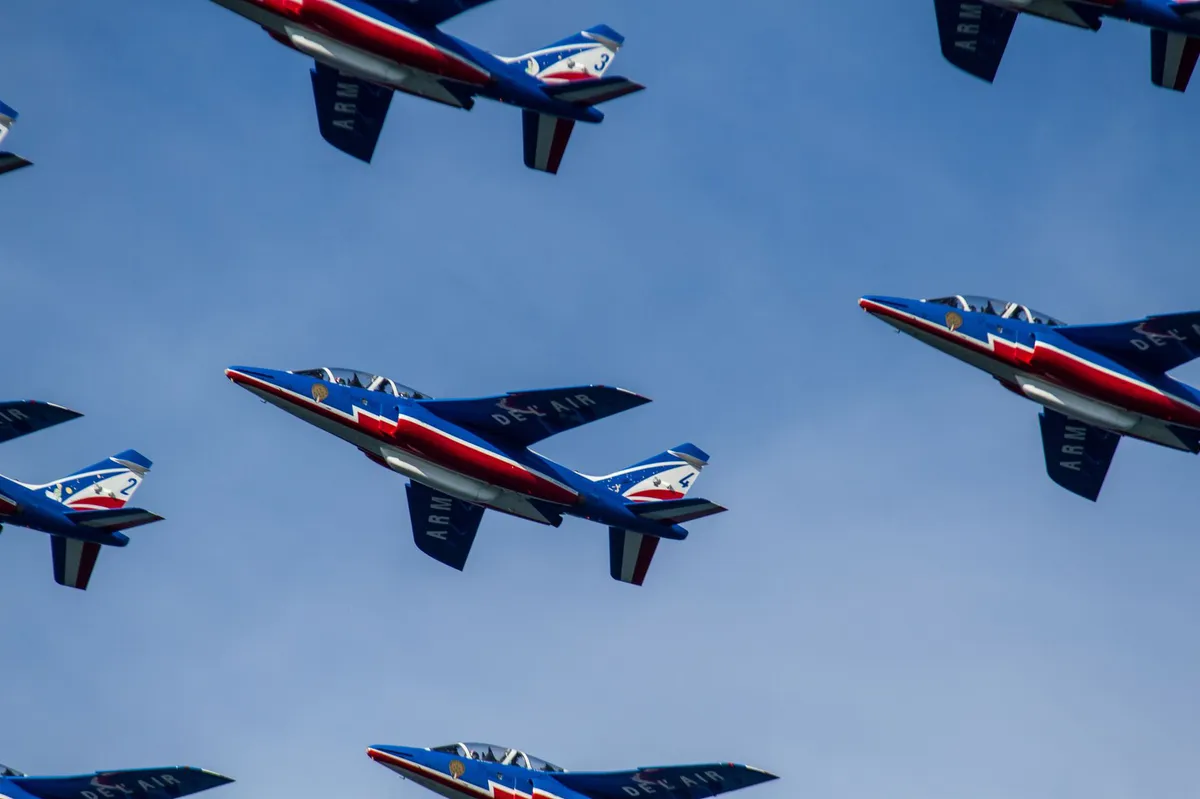
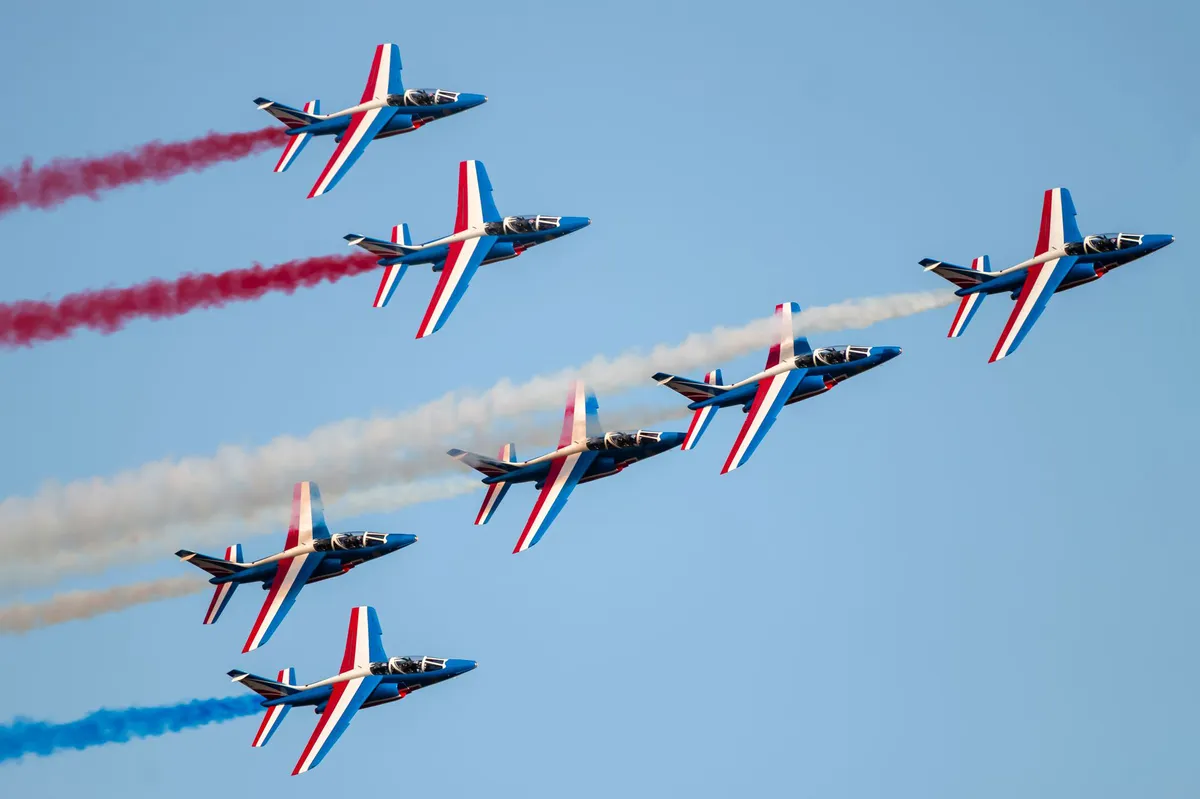
In an ambitious military maneuver that underscores France's commitment to international alliances amid growing global tensions, four French fighter jets took off from Istres air base in southern France on Tuesday. This marks the commencement of a 40-day journey that will span approximately 40,000 kilometers (25,000 miles), traverse three continents, and involve nine strategic stopovers. The operation, named Pegase 26, is not just a showcase of aerial prowess; it serves as a powerful reminder of the importance of collaboration among nations, particularly in an era where major powers like China and the United States appear to be pursuing more isolationist policies.
As geopolitical rivalries intensify, the Pegase 26 exercise aims to project France’s military might while reinforcing cooperation with key allies, including Japan, South Korea, Indonesia, and India. This type of large-scale military exercise has been meticulously planned for nearly a year and is supported by a substantial logistical operation involving three refueling aircraft, two transport planes, and a dedicated team of around 300 personnel. Such extensive preparations are essential to ensure operational effectiveness and readiness in potential conflict scenarios.
The Strategic Importance of Pegase 26
The Pegase 26 mission serves multiple strategic purposes. Firstly, it demonstrates France’s capability to defend distant territories and support allies through its nuclear power, which has been a cornerstone of French defense policy. Alice Rufo, the French deputy defense minister, emphasized the necessity of interoperability among allies in her comments leading up to the jets' departure. “If we’re called upon to act together in the face of a threat, we need to be immediately interoperable,” Rufo stated, highlighting the importance of joint exercises in preparing for real-world scenarios.
Commitment to International Law and Navigation
The exercise is also a statement of commitment to uphold international law and freedom of navigation, particularly in regions where these principles are increasingly under threat. The flight path will take the aircraft through critical airspace, including the Persian Gulf, where geopolitical tensions frequently flare. The operational journey reinforces France's position as a proactive player in global security affairs, particularly in areas where stability is fragile.
Challenges and Adaptations During the Flight
The initial leg of the journey involved challenging conditions, as the jets crossed over Greenland en route to Alaska. The operation required mid-air refueling five times to complete the nearly 11-hour flight from France to Alaska without stopping. Such logistical feats are not only a testament to the capabilities of the aircraft involved but also highlight the complexities of operating in diverse environments.
General Julien Sabènè, the commander of Pegase 26, noted that this year’s exercise marks a significant shift as it includes a route over Greenland, which had not been previously explored in this annual exercise. He emphasized the importance of diversifying flight paths to prepare for potential future engagements in the Indo-Pacific region, where increased military presence from rivals like China and Russia is a growing concern. “Climate change is changing the stakes, and maritime routes are evolving,” Sabènè remarked, emphasizing the need for military readiness in the face of these changes.

Symbolism and Military Readiness
The Pegase 26 exercise carries significant symbolic weight, particularly following President Emmanuel Macron's recent proposal to share France's nuclear capabilities with European partners. This comes at a time when trust in traditional security alliances has been tested, particularly in light of U.S. foreign policy shifts. Although Pegase 26 does not involve actual nuclear weapons, the presence of Rafale jets capable of carrying nuclear-armed missiles is an inherent reminder of France's strategic deterrent capabilities.
Moreover, the ability to rapidly deploy combat aircraft across various potential conflict zones reinforces France's assertion of military independence and readiness. The operation also highlights the logistical advantages France possesses, particularly in regions where U.S. resources are stretched thin due to ongoing commitments in other global hotspots, such as the Middle East.
Strengthening Partnerships Amidst Global Uncertainty
As multinational alliances face scrutiny, Pegase 26 serves as a demonstration of France's commitment to cooperative defense and strategic partnerships. Rufo noted that sovereignty can only be effectively exercised within a network of partnerships, and the broad range of international partners participating in this mission underscores the importance of collective security. “The exceptional number of partners involved in this mission demonstrates that,” she concluded, reaffirming the necessity of working together in the face of evolving global challenges.
Key Takeaways
- Pegase 26 is a 40-day military exercise involving four French fighter jets, covering 40,000 kilometers.
- The mission aims to strengthen international alliances amid rising geopolitical tensions.
- Operational challenges include mid-air refueling and navigating diverse environments, from the Arctic to the tropics.
- The exercise symbolizes France’s commitment to nuclear deterrence and cooperative defense strategies.
- Participation from various international partners emphasizes the importance of collective security.
Frequently Asked Questions
What is Pegase 26?
Pegase 26 is a large-scale military exercise conducted by the French Air Force involving four fighter jets embarking on a 40-day journey across three continents. The exercise aims to demonstrate military capabilities, strengthen international partnerships, and uphold principles of freedom of navigation and international law.
Why is the exercise significant?
The exercise is significant because it highlights France's strategic military capabilities and commitment to international alliances at a time when global tensions are rising. It serves as a demonstration of military readiness and the importance of collaborative defense strategies among nations.
What challenges do the jets face during the flight?
The jets face various challenges, including the need for mid-air refueling to cover vast distances, as well as navigating through different climatic conditions. The route also involves strategic decisions about flight paths to enhance operational readiness for potential future engagements.
How does Pegase 26 relate to France's nuclear policy?
While Pegase 26 is not a nuclear exercise, it involves Rafale jets capable of carrying nuclear weapons, reinforcing France's position as a nuclear power. The exercise follows President Macron's proposal to share France's nuclear deterrent with European partners, highlighting the importance of collective security in an uncertain geopolitical landscape.
This article is for informational purposes only and does not constitute legal advice.
Comments
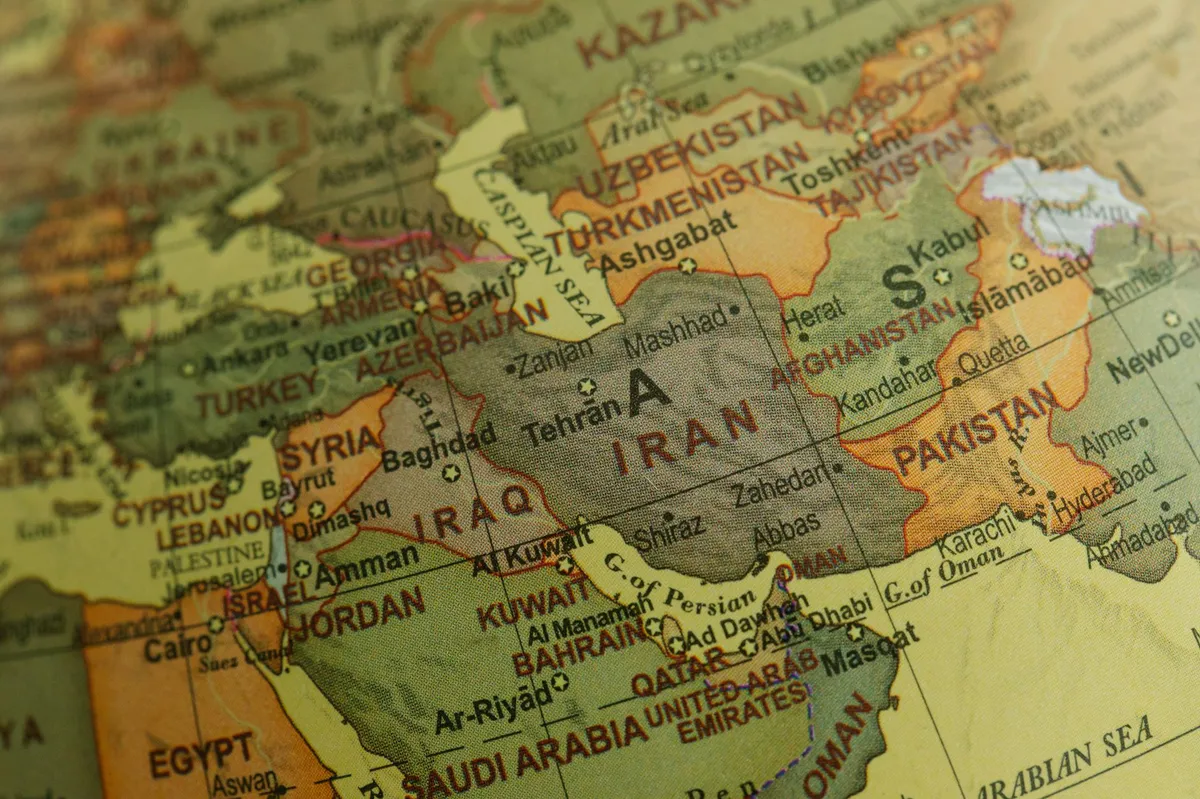
Escalating Tensions: Iraq Confirms Pipeline Attack Originating from Its Territory
The recent attack on a vital Saudi oil pipeline raises significant geopolitical tensions in the Middle East, with Iraq confirming the assault came from its territory. This article explores the implications of these developments on regional stability and oil prices.
Related articles


Popular in Business Law
- Supreme Court Justices' Financial Disclosures: A Closer Look
- Vishal Garg's Leadership Fallout: The Rise and Fall of Better.com
- Former Intelligence Official Faces Penalty for Post-Government Misconduct
- Blank Rome Faces Lawsuit After Major Data Breach Exposes Personal Information
- Congress Faces Reckoning Over Member-Staff Relationships