Modi and Xi's Meeting: A New Era for India-China Relations?
Amidst longstanding tensions, Indian Prime Minister Narendra Modi and Chinese President Xi Jinping met at the BRICS summit, aiming to reset their fragile relationship. This article explores the implications of their discussions and the challenges that lie ahead.

In a significant diplomatic encounter at the BRICS summit held in New Delhi, Indian Prime Minister Narendra Modi and Chinese President Xi Jinping met on Saturday, aiming to mend ties that have been strained for over six years. Their meeting represents a cautious yet crucial step toward addressing the fallout from a deadly border clash in 2020 that left 20 Indian soldiers and four Chinese troops dead. As both nations grapple with a complex web of historical grievances and contemporary geopolitical challenges, their discussions may signal a new chapter in India-China relations.
The backdrop to their meeting is steeped in a history of rivalry and conflict. Since their border war in 1962, India and China have had a tumultuous relationship characterized by territorial disputes and growing economic competition. The 2020 military clash in the cold desert region of Ladakh exacerbated these tensions, leading to a long-standing standoff that saw both nations bolstering their military presence along the contested border. Despite these challenges, Xi's remarks during their meeting suggest a desire for a more strategic and cooperative approach towards their bilateral relationship.

The Strategic Landscape
Xi Jinping emphasized the need for “high-quality cooperation” between the two Asian giants, asserting that as prominent representatives of the Global South, both countries should work towards a multipolar world. This perspective reflects a broader desire among emerging economies to reshape global power dynamics, often dominated by Western nations. Modi reciprocated by expressing gratitude for China's collaboration in hosting the summit, which also underscores the importance of dialogue between the two nations.
Historical Context
The relationship between India and China has been fraught with complexities. The 2020 clash, the most serious military confrontation in decades, brought to light the fragility of their ties. Since then, both sides have made attempts to de-escalate tensions, but deep-seated mistrust lingers. The two countries continue to dispute sections of their border, and India's growing military infrastructure along the frontier raises concerns in Beijing.
Economic Rivalry
Economically, the landscape is equally challenging. China has experienced rapid economic growth, vastly outpacing India, leading to a significant trade imbalance. This economic rivalry is compounded by India's attempts to position itself as an attractive alternative for foreign investment, especially as companies look to diversify their manufacturing bases away from China due to rising labor costs and geopolitical tensions with the West.

Current Challenges in Bilateral Relations
Despite the positive tone of their recent discussions, several challenges remain that could hinder the pursuit of a stable relationship:
- Territorial disputes: Ongoing disagreements over border demarcations continue to fuel tensions.
- Trade imbalances: India faces a substantial trade deficit with China, which complicates economic relations.
- Military buildup: Both nations have fortified their military presence along the disputed border, raising the specter of future conflicts.
- Strategic partnerships: India's strengthening ties with the United States, seen as a counterbalance to China’s influence, are causing unease in Beijing.
Future Prospects
As China prepares to host the BRICS summit next year, Xi's visit to India serves as a litmus test for whether recent diplomatic overtures can translate into a more stable bilateral relationship. The meeting is a reminder that while economic and strategic competition remains at the forefront, both nations recognize the importance of dialogue in addressing shared challenges, including regional stability and global economic recovery.

Key Takeaways
- Modi and Xi's meeting represents a potential thaw in long-standing India-China tensions.
- Both leaders emphasized the importance of cooperation and mutual support in addressing global challenges.
- Significant barriers remain, including territorial disputes and economic rivalry.
- India's growing ties with the U.S. could complicate future relations with China.
- Future BRICS summits may provide a platform for diplomatic engagement and conflict resolution.
Frequently Asked Questions
What was the significance of Modi and Xi's meeting at the BRICS summit?
The meeting between Modi and Xi is significant as it marks a renewed effort to address the strained relations between India and China, which have been impacted by a deadly border clash in 2020. It reflects both leaders' recognition of the need for dialogue and cooperation amidst ongoing geopolitical tensions.
How do territorial disputes affect India-China relations?
Territorial disputes, particularly along the Line of Actual Control (LAC) in Ladakh, remain a major source of tension between India and China. These disputes complicate diplomatic relations and contribute to mutual distrust, making it difficult to achieve lasting peace and cooperation.
What role does economic competition play in their relationship?
Economic competition is a significant factor in India-China relations, with India striving to reduce its trade deficit with China while also attempting to attract foreign investments. This competition is further intensified by China's rapid economic growth and its initiatives like the Belt and Road Initiative, which India views with skepticism.
What does the future hold for India-China relations?
The future of India-China relations remains uncertain. While recent diplomatic engagements suggest a willingness to cooperate, underlying issues such as territorial disputes and strategic rivalries will continue to challenge their relationship. Continued dialogue and engagement will be essential to navigate these complexities.
This content is general information, not legal advice.
Comments
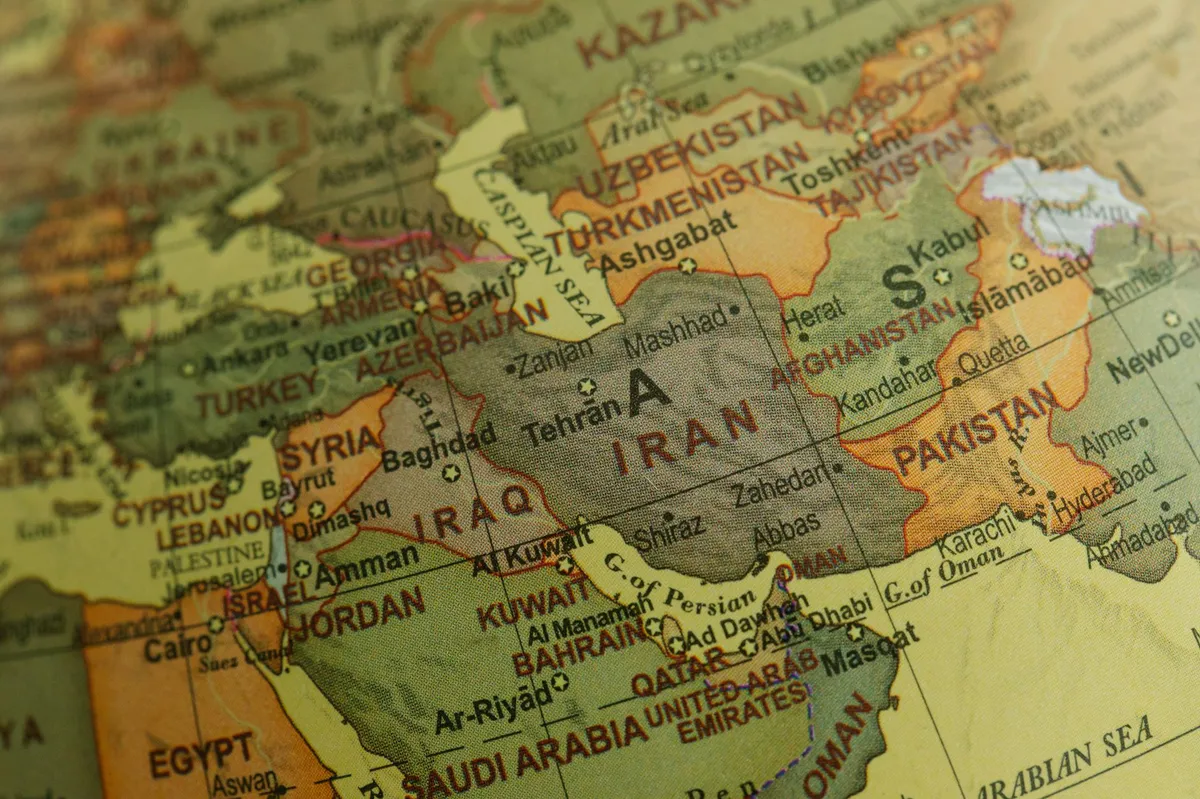
Escalating Tensions: Iraq Confirms Pipeline Attack Originating from Its Territory
The recent attack on a vital Saudi oil pipeline raises significant geopolitical tensions in the Middle East, with Iraq confirming the assault came from its territory. This article explores the implications of these developments on regional stability and oil prices.
Related articles



Popular in Business Law
- Supreme Court Justices' Financial Disclosures: A Closer Look
- Vishal Garg's Leadership Fallout: The Rise and Fall of Better.com
- Former Intelligence Official Faces Penalty for Post-Government Misconduct
- Blank Rome Faces Lawsuit After Major Data Breach Exposes Personal Information
- Congress Faces Reckoning Over Member-Staff Relationships