Escalating Tensions: Russia's Strikes on Ukraine Amid European Troop Warnings
Recent Russian airstrikes in Ukraine have resulted in civilian casualties and heightened geopolitical tensions. As President Putin warns Europe against military intervention, the situation continues to evolve, affecting both local populations and international relations.
The ongoing conflict in Ukraine has recently escalated, with devastating airstrikes from Russia claiming civilian lives and prompting severe warnings from President Vladimir Putin. In a stark reminder of the stakes involved, Putin cautioned European nations that any decision to send troops into Ukraine would signify a direct confrontation with Russia. The situation creates a perilous atmosphere, not just for Ukraine, but for Europe and the broader geopolitical landscape.
As Russian forces intensify their aerial campaign, local officials reported that three civilians were killed and dozens more injured in a series of attacks over the weekend. The strikes, which predominantly targeted civilian infrastructure, are seen as a strategy to undermine morale as winter approaches. This tactic not only raises humanitarian concerns but also highlights the ongoing challenges Ukraine faces in defending its territory against a formidable adversary.
Russian Strikes: A Closer Look
The recent wave of Russian attacks has brought renewed focus on the methods employed by Moscow. Utilizing a mix of ballistic missiles and drone strikes, the Russian military has systematically targeted Ukraine's power grid and residential areas. Regional head Ivan Fedorov reported that in the city of Zaporizhzhia, two individuals lost their lives and one was injured due to drone strikes on a residential zone. In Kryvyi Rih, another civilian casualty was confirmed, with one dead and three wounded from ongoing artillery fire.
The Impact of Air Campaigns
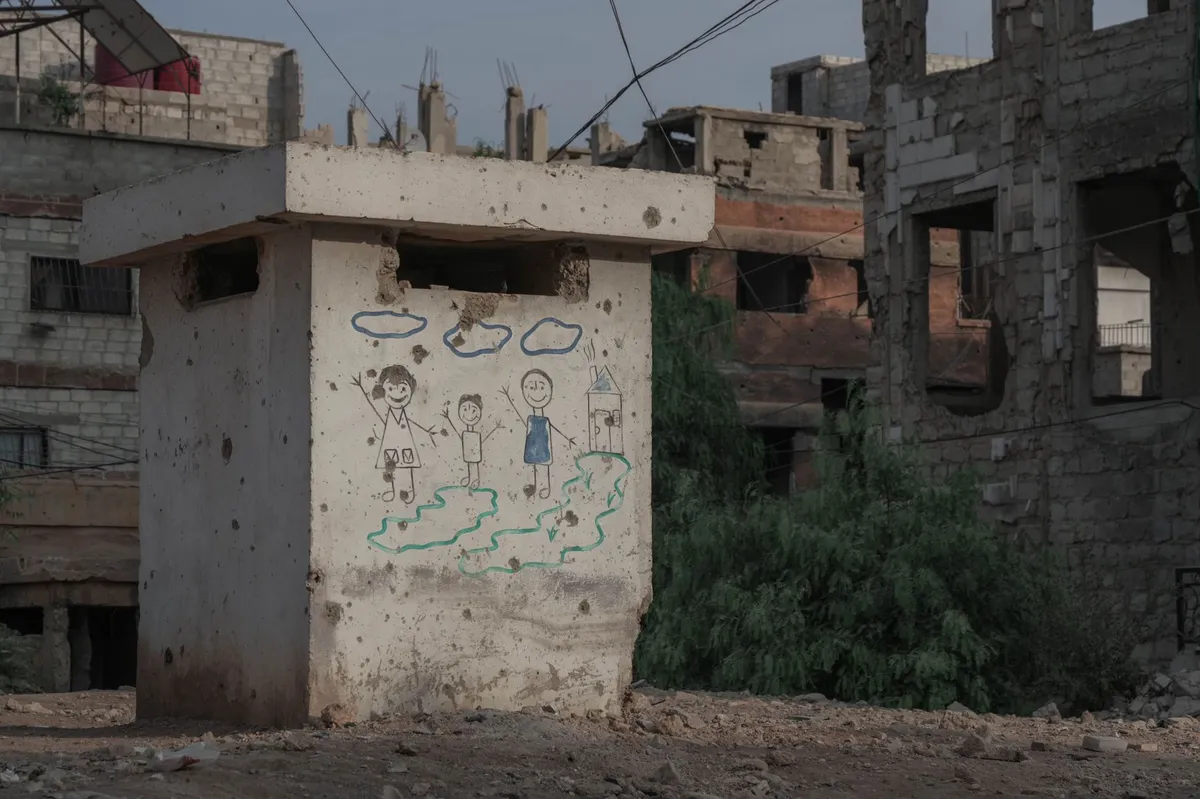
The airstrikes have had a particularly devastating effect in the Black Sea port of Odesa, where a "massive attack" resulted in injuries to 35 individuals. One notable incident involved a residential high-rise being severely damaged, underscoring the vulnerability of civilian life amidst military operations. Such strikes not only create immediate danger but also serve to fracture community resilience and stability as winter looms, potentially leading to a humanitarian crisis.
Putin's Warnings to Europe
At a recent summit for the BRICS nations in India, President Putin issued a foreboding warning regarding potential European military involvement in Ukraine. He asserted that the deployment of European troops would equate to a declaration of war against Russia. “Now they’re talking about how they’re considering sending troops into Ukraine. That means a war with Russia,” he stated, emphasizing the seriousness of the situation. This rhetoric illustrates the heightened tensions and the fragile balance of power in the region.
European Response and Potential Peacekeeping Forces
In reaction to the escalating conflict, some European leaders have signaled their readiness to explore the formation of a peacekeeping force to support Ukraine. However, this initiative has been met with staunch resistance from Moscow, which perceives such a move as a direct threat. The Kremlin's position is clear: any military presence from European nations would not be tolerated, complicating the already intricate dynamics of international diplomacy.
Border Tensions and Regional Stability
Amidst these developments, border tensions have also been rising. Incidents along Ukraine’s borders with Poland and Moldova have raised alarms about potential Russian provocations. Recently, two individuals died when Russian drones struck the Starokozache border crossing, while a direct threat to the Polish-Ukrainian border was narrowly avoided through cooperative efforts between Warsaw and Kyiv. Polish Prime Minister Donald Tusk noted that these events may signal a shift in Russian tactics and an increased likelihood of border confrontations.
Diplomatic Efforts and Future Prospects
Despite the escalating violence, diplomatic channels remain open, albeit fraught with complexity. Ukrainian President Volodymyr Zelenskyy expressed a willingness to meet with Putin if both leaders are invited to the upcoming Group of 20 summit in Miami. However, the Kremlin’s stance remains cautious, with officials reiterating that any discussions must not impede the ongoing military operations. Russian Foreign Minister Sergey Lavrov emphasized that negotiations would not halt the so-called “special military operation” in Ukraine.
The Role of International Organizations
The international community's response to these developments will be critical. Organizations such as NATO and the United Nations are closely monitoring the situation, weighing the implications of military intervention against the backdrop of humanitarian needs. As casualties mount and infrastructure continues to be devastated, the prospect of a diplomatic resolution becomes ever more pressing, yet increasingly elusive.

Key Takeaways
- Recent Russian airstrikes have resulted in civilian casualties, including three deaths and numerous injuries.
- President Putin warns that European troop deployments would mean direct conflict with Russia.
- Border tensions are rising, with incidents reported at crossings between Ukraine, Poland, and Moldova.
- Diplomatic discussions continue, but military operations are expected to persist during negotiations.
Frequently Asked Questions
What are the implications of European troops entering Ukraine?
The entry of European troops into Ukraine could escalate the conflict significantly. President Putin has made it clear that such an action would be viewed as a declaration of war, potentially leading to a broader military confrontation in Europe. This situation could have dire consequences not only for Ukraine but also for European nations involved, affecting national security and international relations across the continent.
How are civilians affected by the ongoing conflict?
Civilians in Ukraine are facing severe hardships due to the ongoing conflict. Airstrikes have targeted residential areas and critical infrastructure, leading to injuries and fatalities. Moreover, the psychological impact of constant danger, coupled with the impending winter, exacerbates the humanitarian crisis, leaving many individuals without adequate shelter, food, or medical care. The situation necessitates urgent international humanitarian assistance to alleviate suffering among the affected populations.
What is the role of international organizations in this conflict?
International organizations like NATO and the United Nations play a crucial role in monitoring the situation and responding to humanitarian needs. They are tasked with facilitating dialogue between conflicting parties, promoting peacekeeping efforts, and delivering aid to those affected by the conflict. However, their ability to influence outcomes is often limited by the complexities of national interests and the willingness of the involved parties to engage in meaningful negotiations.
Comments
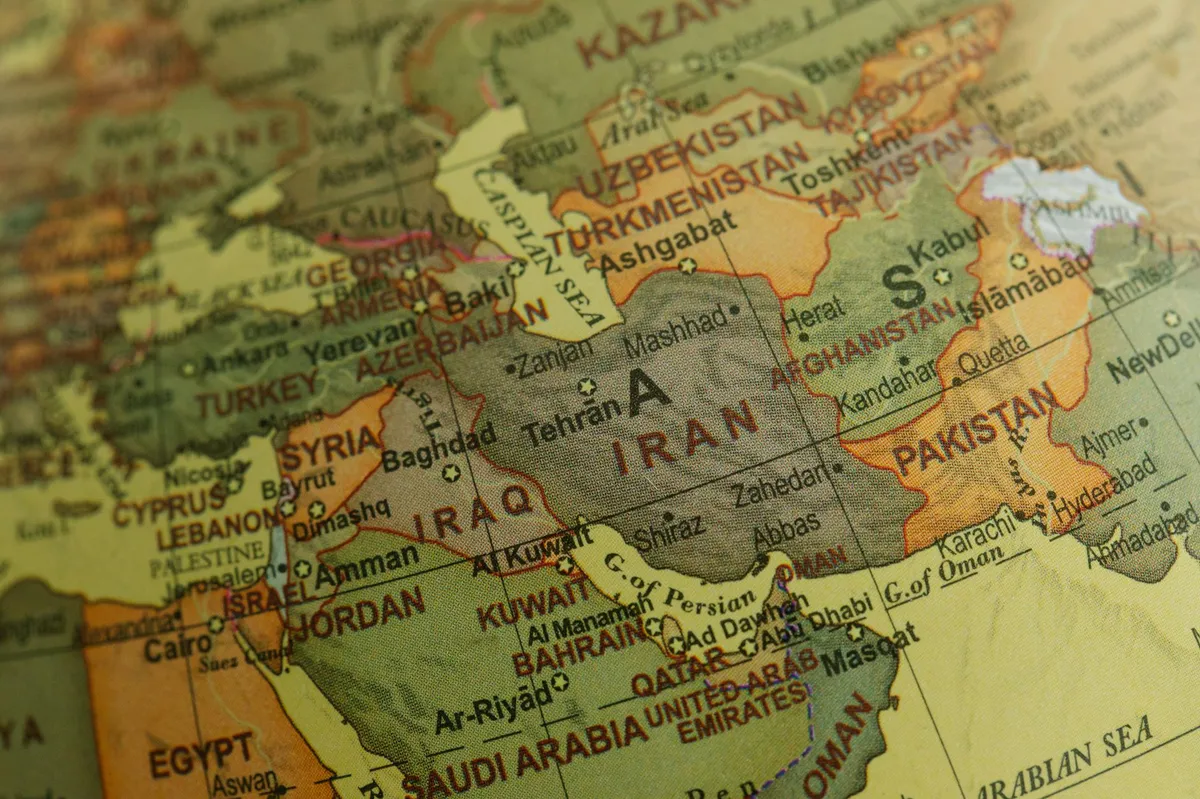
Escalating Tensions: Iraq Confirms Pipeline Attack Originating from Its Territory
The recent attack on a vital Saudi oil pipeline raises significant geopolitical tensions in the Middle East, with Iraq confirming the assault came from its territory. This article explores the implications of these developments on regional stability and oil prices.
Related articles



Popular in Business Law
- Supreme Court Justices' Financial Disclosures: A Closer Look
- Vishal Garg's Leadership Fallout: The Rise and Fall of Better.com
- Former Intelligence Official Faces Penalty for Post-Government Misconduct
- Blank Rome Faces Lawsuit After Major Data Breach Exposes Personal Information
- Congress Faces Reckoning Over Member-Staff Relationships