Major Drug Trafficking Indictment: 81 Gang Members Charged in Puerto Rico
A sweeping federal investigation has led to the indictment of 81 alleged gang members in Puerto Rico, accused of running a violent drug trafficking organization. This article explores the implications of these charges, the nature of the criminal activities, and the broader context of drug trafficking in the region.

In a significant crackdown on drug trafficking in Puerto Rico, federal authorities have charged 81 alleged gang members with serious crimes related to a violent drug trafficking organization known as Los Baja Deo (LBD). This investigation, which culminated in a grand jury indictment on August 19, highlights the ongoing battle against drugs and gang violence in the region, particularly in the Mayagüez area and surrounding communities. The scale of the operations and the severity of the allegations underscore a pressing public safety issue that demands attention and action.
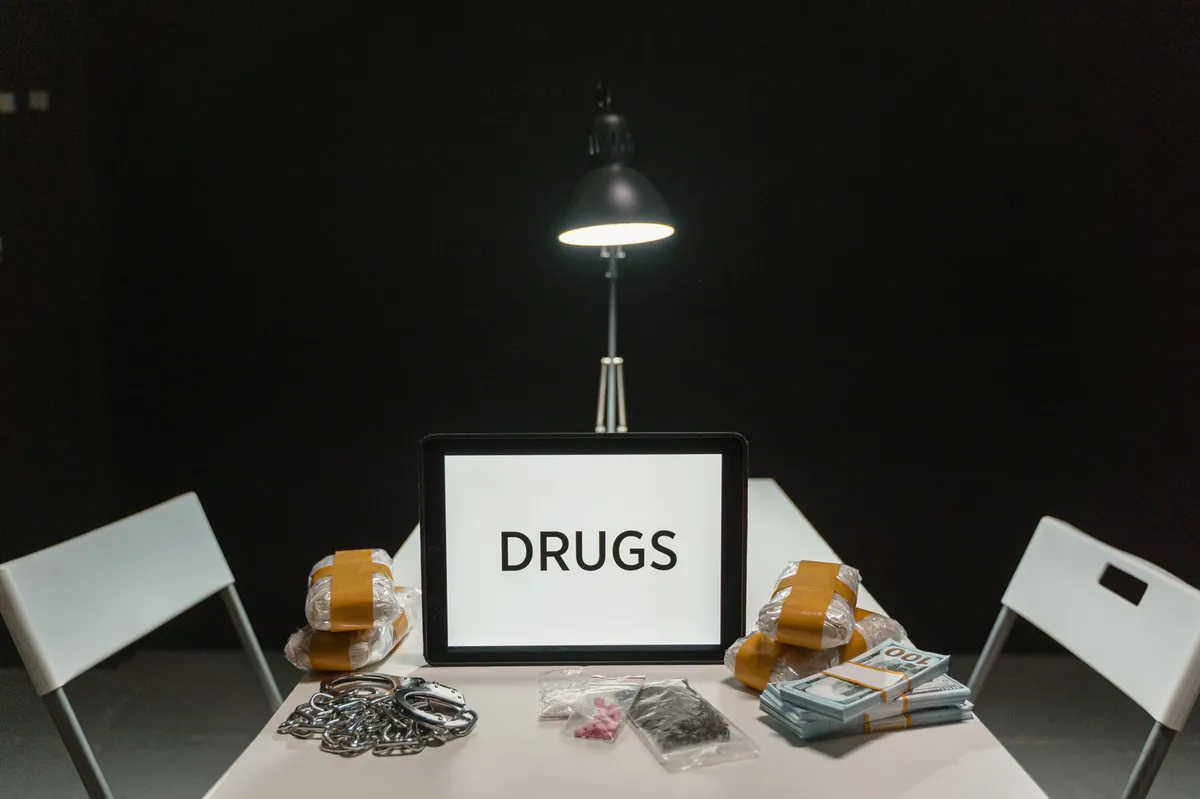
The charges against these individuals include drug trafficking involving hard narcotics such as fentanyl, cocaine, heroin, crack cocaine, and marijuana, as well as illegal possession of firearms. According to the U.S. Department of Justice (DOJ), the gang is believed to have distributed staggering amounts of drugs, including at least 340 kilograms of fentanyl and over 2,200 kilograms of cocaine. The estimated financial proceeds from these operations exceed $49 million, revealing the extensive reach and impact of this criminal enterprise.
A Deep Dive into Los Baja Deo and Its Operations
Los Baja Deo (LBD) has operated in Puerto Rico for several years, establishing a reputation for violence and ruthlessness in its dealings. Gang members are alleged to have performed various functions within the organization, including:
- Leaders who orchestrate operations
- Suppliers responsible for procuring drugs
- Drug sellers who distribute narcotics
- Runners and lookouts who monitor law enforcement
- Enforcers who use violence to maintain control
These roles reflect a well-organized structure that has enabled the gang to thrive despite law enforcement efforts. The indictment details how LBD members used various communication methods, including cellphones, social media, and instant messaging apps, to coordinate their activities, showcasing a modern approach to organized crime.

Violence and Community Impact
The gang's operations were not limited to drug distribution; they were also marked by violent tactics to protect their interests. Federal prosecutors allege that the group engaged in shootings, kidnappings, and even murders in response to perceived threats against their organization. This culture of violence not only endangers the gang members themselves but also poses a significant risk to the surrounding communities, where innocent lives can be caught in the crossfire.
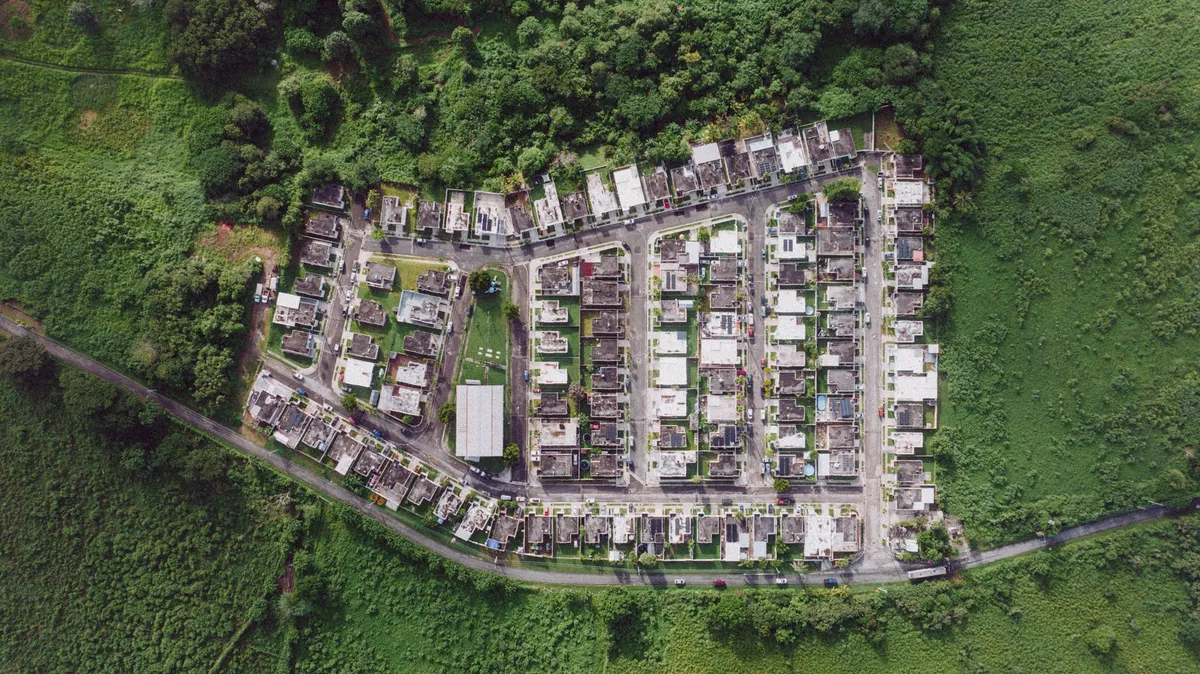
Authorities have indicated that much of the drug trafficking occurred within 1,000 feet of public housing communities, such as Sábalo Gardens and Cuesta Las Piedras. This proximity raises serious concerns about public safety and the well-being of residents, many of whom may be unaware of the dangers lurking in their neighborhoods. The psychological toll on community members, particularly children, can be profound and long-lasting.
Collaboration Among Law Enforcement Agencies
This investigation is part of a broader initiative led by the Homeland Security Task Force, which unites multiple law enforcement agencies in the fight against violent gangs and drug trafficking organizations. The operation involved collaboration between the:
- FBI
- Puerto Rico Police Department
- Homeland Security Investigations
- Drug Enforcement Administration (DEA)
- Bureau of Alcohol, Tobacco, Firearms and Explosives (ATF)
- U.S. Postal Inspection Service
Additional support came from the U.S. Marshals Service, U.S. Customs and Border Protection, and the Puerto Rico National Guard. Such joint efforts are crucial in addressing the complex and multifaceted nature of drug trafficking, as it requires not only the arrest of individuals but also the dismantling of entire networks.
Legal Consequences and Future Implications
The legal ramifications for those charged in this indictment are severe. Defendants facing drug trafficking charges could be sentenced to a minimum of 10 years in federal prison, with some facing life sentences depending on the specifics of their involvement. Those who are also charged with firearms violations face even harsher penalties, with a minimum of 15 years and a potential life sentence if convicted on multiple charges.
Moreover, prosecutors are seeking to forfeit over $49.7 million in alleged proceeds connected to the drug trafficking operation. This move underscores the government’s intention to not only punish the individuals involved but also to disrupt the financial networks that fuel such criminal enterprises. The forfeiture process can be complex and lengthy, often requiring extensive evidence to prove the connection between the assets and the criminal activities.

Key Takeaways
- 81 gang members indicted: A sweeping federal investigation led to the indictment of 81 members of Los Baja Deo in Puerto Rico.
- Serious charges: Members face drug trafficking and firearm violations, with potential sentences ranging from 10 years to life in prison.
- Community impact: Drug sales occurred near public housing, raising significant public safety concerns.
- Collaboration: The operation involved a coalition of law enforcement agencies working together to combat organized crime.
- Financial consequences: Prosecutors are seeking to seize over $49 million linked to the trafficking operations.
Frequently Asked Questions
What is the significance of this indictment?
The indictment represents a crucial step in combating organized crime in Puerto Rico, reflecting the government's commitment to addressing drug trafficking and its associated violence. With 81 individuals charged, the case illustrates the scale of the problem and the complexities involved in dismantling such organizations.
What penalties do defendants face?
Defendants charged with drug trafficking can face a minimum of 10 years and potentially life in prison, while those with additional firearms charges could see sentences starting at 15 years. The serious nature of these charges indicates the federal government’s stance on drug-related crimes.
How does this affect the local community?
The gang's activities have a direct impact on local communities, particularly in areas where drug sales occur near public housing. Residents may experience increased violence, fear, and instability, affecting their quality of life and sense of security.
What role do law enforcement agencies play in such investigations?
Law enforcement agencies collaborate to share resources, intelligence, and expertise in addressing complex crimes like drug trafficking. The joint effort enhances the effectiveness of investigations and increases the likelihood of successful prosecutions, ultimately aiming to protect communities from the harms of organized crime.
This content is general information and not legal advice.
Comments
Rebel Creamery Files for Bankruptcy Amid Multi-Million Dollar Judgment
Rebel Creamery, a keto ice cream manufacturer, has filed for Chapter 11 bankruptcy protection while appealing a $23.8 million judgment over packaging disputes. This article delves into the legal and financial implications of this decision and what it means for the company and its consumers.

Related articles




Popular in Business Law
- Supreme Court Justices' Financial Disclosures: A Closer Look
- Vishal Garg's Leadership Fallout: The Rise and Fall of Better.com
- Former Intelligence Official Faces Penalty for Post-Government Misconduct
- Blank Rome Faces Lawsuit After Major Data Breach Exposes Personal Information
- Congress Faces Reckoning Over Member-Staff Relationships