Copyright Clash: Bad Bunny and Justin Bieber Face Legal Action Over Reggaeton Beat
Bad Bunny, Justin Bieber, and other musical celebrities are facing a copyright lawsuit over the use of a signature reggaeton beat. This case highlights the complexities of copyright law in the music industry and its implications for artists.
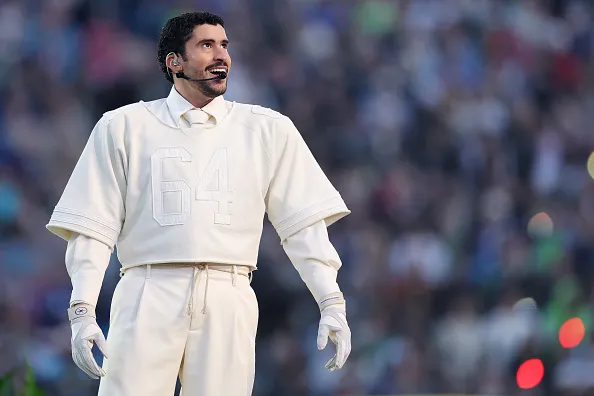
The world of music continually evolves, blending genres and styles that often lead to creative collaborations. However, this creative process is not without its complexities, particularly when it comes to copyright law. Recently, high-profile artists including Bad Bunny and Justin Bieber found themselves embroiled in a copyright lawsuit concerning the use of a distinctive reggaeton beat. This case serves as a stark reminder of how copyright issues can impact even the most successful figures in the music industry.
Copyright law is designed to protect original works of authorship, which includes music. It grants the creator exclusive rights to use, reproduce, and distribute their work, as well as to receive compensation for its use. In this instance, the lawsuit alleges that these artists used a specific reggaeton beat without obtaining the necessary permissions from the original creators, raising significant questions about ownership and rights in the music industry.
Understanding Copyright in the Music Industry
Copyright law plays a critical role in the music industry, acting as a safeguard for songwriters, producers, and performers. When an artist creates a piece of music, they automatically hold copyright over that work. However, the situation becomes complicated when it involves sampling — the practice of taking a portion of a sound recording and reusing it in a new song.
The Importance of Sampling Rights
Sampling can breathe new life into a song, allowing artists to pay homage to their influences or explore new musical directions. However, legally speaking, artists must obtain rights from the original copyright holder to use any part of a song. Failing to do so can result in legal disputes, as seen in the current case involving Bad Bunny and Justin Bieber.
The Allegations Against Bad Bunny and Justin Bieber
The lawsuit alleges that Bad Bunny and Justin Bieber utilized a specific reggaeton beat that is recognized as a hallmark of the genre, without permission from the original creators. This case underscores a prevalent issue in the music industry where emerging artists often draw inspiration from existing works, sometimes leading to unintentional copyright infringement.
As details of the lawsuit emerge, it is important to consider the potential implications for both artists and the broader industry. If the plaintiffs prevail, it could set a precedent that may affect how artists approach the use of samples in their music.
Who is Affected by Copyright Lawsuits?
The ramifications of copyright lawsuits extend beyond just the artists involved. Here are some key stakeholders:
- Artists: Both the plaintiffs and defendants face potential financial and reputational damage.
- Record Labels: They may need to invest in legal defenses or settle cases, impacting their bottom line.
- Consumers: A lawsuit may lead to delays in new music releases or changes in the availability of tracks.
- Industry Standards: A ruling may influence sampling practices and copyright licensing agreements moving forward.
Legal Outcomes and Possible Settlements
The outcome of copyright cases can vary widely, from complete dismissal of claims to substantial financial settlements. In many instances, parties may choose to settle out of court to avoid the time and expense of litigation. Settlements can include financial compensation, licensing agreements, or even the right for the offending party to continue using the disputed material under specific conditions.
For Bad Bunny and Justin Bieber, reaching a settlement could be a viable option, not only to mitigate costs but also to preserve their public image and continue their artistic endeavors without prolonged legal distractions.

Implications for Future Music Creation
This lawsuit serves as a critical reminder for all artists, particularly those in genres like reggaeton that often thrive on collaboration and blending sounds. Here are several key considerations for artists moving forward:
- Always Seek Permission: Before using any part of another artist's work, obtain permission to avoid legal repercussions.
- Understand Fair Use: Familiarize yourself with the concept of fair use, which allows limited use of copyrighted material without permission under specific circumstances.
- Consider Licensing: Explore licensing agreements that allow for the legal use of samples and beats in new music.
Key Takeaways
- High-profile artists like Bad Bunny and Justin Bieber are facing a copyright lawsuit regarding a reggaeton beat.
- The lawsuit highlights the importance of obtaining permissions for sampling in music.
- The outcome could set significant precedents for the music industry and sampling practices.
Frequently Asked Questions
What is copyright infringement in music?
Copyright infringement in music occurs when an individual or entity uses a copyrighted work without permission from the copyright holder. This includes unauthorized sampling, reproducing, or distributing a song. Legal action can be taken against infringers, leading to potential financial penalties and requirements to cease using the material.
What are the consequences of a copyright lawsuit?
The consequences of a copyright lawsuit can be severe, including financial damages, loss of reputation, and the potential for injunctions that prevent the use of the infringing material. Additionally, lawsuits can lead to prolonged legal battles that drain resources and distract artists from their creative work.
How can artists protect themselves from copyright issues?
Artists can protect themselves from copyright issues by ensuring they have proper licenses for any samples they use, familiarizing themselves with copyright laws, and consulting with legal professionals when in doubt about their use of existing works. Additionally, maintaining clear communication with other artists can help avoid misunderstandings regarding rights and permissions.
What should I do if I receive a copyright infringement notice?
If you receive a copyright infringement notice, it is essential to take it seriously. You should review the claim, consult with a legal professional to understand your options, and consider responding to the notice. Depending on the situation, you may negotiate a settlement, remove the infringing material, or contest the claim in court.
Disclaimer: The content is general information and not legal advice.
Comments
Major Drug Trafficking Indictment: 81 Gang Members Charged in Puerto Rico
A sweeping federal investigation has led to the indictment of 81 alleged gang members in Puerto Rico, accused of running a violent drug trafficking organization. This article explores the implications of these charges, the nature of the criminal activities, and the broader context of drug trafficking in the region.
Related articles


Popular in Business Law
- Supreme Court Justices' Financial Disclosures: A Closer Look
- Vishal Garg's Leadership Fallout: The Rise and Fall of Better.com
- Former Intelligence Official Faces Penalty for Post-Government Misconduct
- Blank Rome Faces Lawsuit After Major Data Breach Exposes Personal Information
- Congress Faces Reckoning Over Member-Staff Relationships