Rebel Creamery Files for Bankruptcy Amid Multi-Million Dollar Judgment
Rebel Creamery, a keto ice cream manufacturer, has filed for Chapter 11 bankruptcy protection while appealing a $23.8 million judgment over packaging disputes. This article delves into the legal and financial implications of this decision and what it means for the company and its consumers.
In a striking turn of events, Rebel Creamery, a prominent player in the keto ice cream market, has filed for Chapter 11 bankruptcy protection as it navigates a complex legal battle stemming from a hefty multimillion-dollar judgment related to its product packaging. This chapter in the company's story is not just about financial instability; it embodies the intricate relationship between branding, intellectual property, and the competitive nature of food markets in the U.S. The bankruptcy filing, lodged on August 14 in the U.S. Bankruptcy Court for the District of Utah, reveals a sobering financial landscape for Rebel. With about $13.78 million in assets and approximately $23.85 million in liabilities, the ice cream maker finds itself at a crossroads, compelled to protect its business while appealing a court ruling that could dictate its future.
The backdrop to this legal saga is a long-standing dispute with Van Leeuwen Ice Cream, a competitor that accused Rebel of infringing on its trade dress — the visual appearance of its packaging. In a significant ruling, U.S. District Judge Eric Komitee ordered Rebel to pay $23.785 million to Van Leeuwen, following a determination that Rebel had intentionally copied elements of Van Leeuwen's packaging design. This ruling highlights the vital role that distinctive branding plays in consumer recognition and market competition.
The Legal Battle: A Closer Look
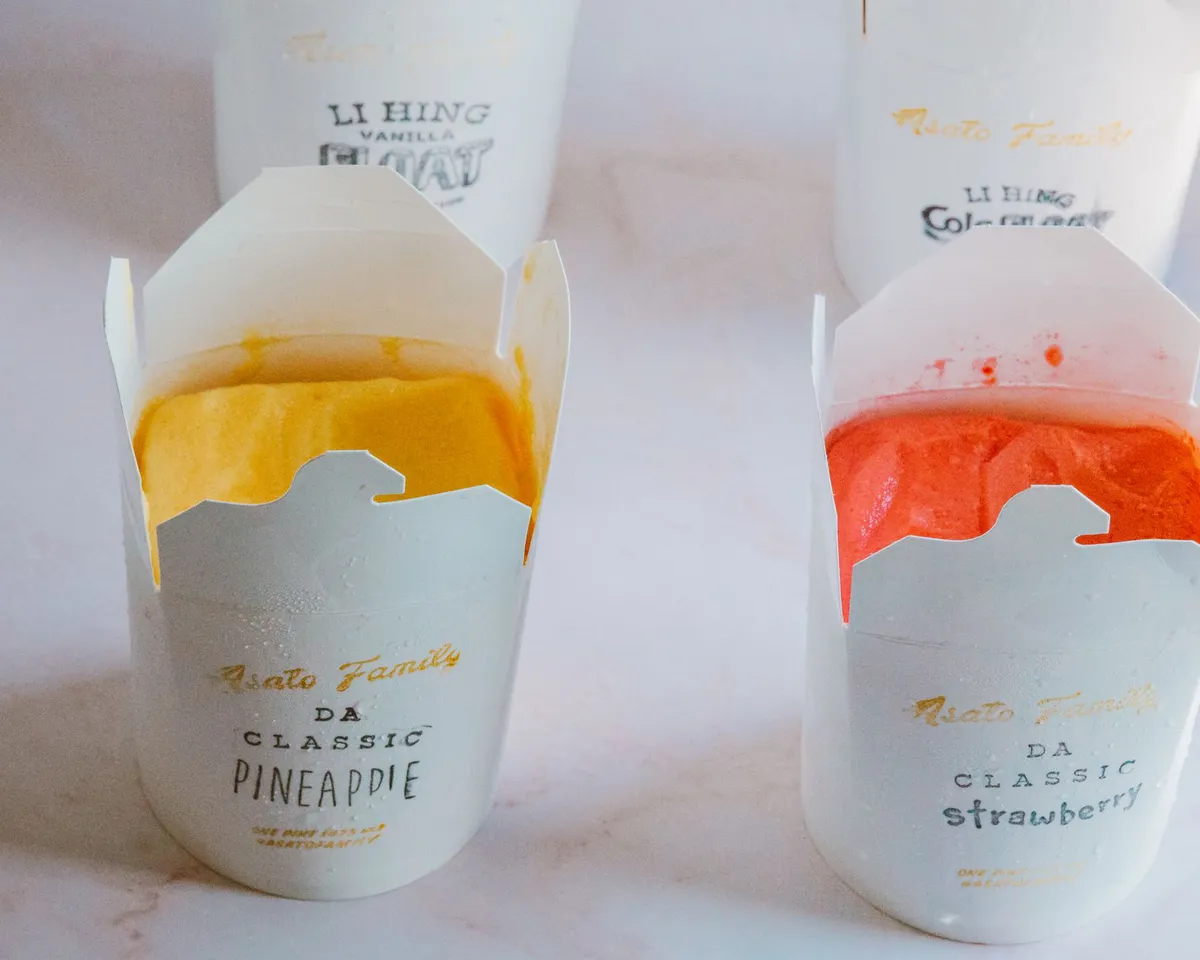
The crux of the legal conflict arose in 2021 when Van Leeuwen accused Rebel of mimicking the appearance of its ice cream containers. The lawsuit did not challenge the quality of the ice cream itself but rather focused on the visual elements that made the packaging recognizable to consumers. Elements such as the use of single-color cardboard containers, matching lids, pastel shades, and black script lettering were central to the case, as they had become closely associated with Van Leeuwen’s brand identity.
Judge Komitee's ruling determined that Rebel’s actions had not only copied but weakened the value of Van Leeuwen's trade dress, which is crucial in a market increasingly driven by branding and visual identity. The court found that the similarity was not coincidental but rather an intentional effort to capitalize on Van Leeuwen's established market presence.
Financial Implications of the Ruling
Initially, Van Leeuwen sought a staggering $36.4 million in damages based on Rebel's profits from the allegedly infringing packaging. However, the judge reduced this amount by one-third, acknowledging that some of Rebel’s sales could be attributed to the growing consumer demand for keto-friendly products, rather than the design of its packaging. This reduction illustrates the complexities involved in assessing damages in intellectual property cases, where proving direct causation between packaging and sales performance can be challenging.

Understanding Chapter 11 Bankruptcy
For Rebel Creamery, the Chapter 11 filing serves as a strategic move to restructure its debts while continuing operations during the appeal process. Chapter 11 bankruptcy is often utilized by businesses facing significant financial challenges, allowing them to reorganize and negotiate with creditors. This legal protection can offer a lifeline, enabling companies to maintain business continuity while addressing their obligations.
As part of the bankruptcy proceedings, Rebel has indicated its intention to dispute Van Leeuwen’s claim, which is critical given the significant financial stakes involved. The bankruptcy filing allows Rebel to operate under court protection while attempting to appeal the judgment, a process that could take months or even years.
Current Financial Position
Rebel’s financial disclosures reveal a mixed picture. The company reports $5.22 million in cash and cash equivalents and approximately $2.59 million in accounts receivable, which are amounts owed to the business. Additionally, it holds about $5.65 million in inventory, showcasing that while the company has some liquidity, it remains burdened by its liabilities. The future of Rebel Creamery will hinge on the outcomes of both the bankruptcy proceedings and the ongoing appeal of the court’s judgment.
Market Context: The Rise of Keto and Health-Conscious Foods
The rise of low-sugar and keto-friendly foods has transformed the American food landscape, creating lucrative opportunities for brands like Rebel Creamery. With health-conscious consumers increasingly seeking alternatives to traditional high-sugar products, the market for keto treats has surged. This trend not only influences consumer purchasing patterns but also intensifies competition among brands vying for market share.
In this competitive environment, branding and packaging become pivotal. Companies must establish a unique brand identity that resonates with their target audience, while also navigating the legal frameworks that protect these identities. The case of Rebel Creamery underscores the importance of protecting one’s intellectual property in a crowded market, where even minor lapses can lead to costly legal battles.
Implications for Consumers and Retailers
For consumers, the implications of Rebel’s bankruptcy and the surrounding legal issues are multifaceted. On one hand, shoppers may find themselves drawn to the unique offerings of Rebel Creamery, which aims to provide healthier dessert options. On the other hand, the uncertainty surrounding the company's future could lead to disruptions in product availability.
Retailers, particularly major chains like Walmart, Kroger, and Safeway that carry Rebel’s products, may have to navigate the fallout of the bankruptcy filing as well. They could face challenges in maintaining inventory levels and ensuring that consumers have access to their preferred products. The legal and financial health of brands is increasingly a consideration for retailers, particularly in a market where consumer loyalty can shift rapidly.
Key Takeaways
- Rebel Creamery has filed for Chapter 11 bankruptcy while appealing a $23.8 million judgment regarding packaging disputes.
- The court found Rebel had intentionally copied the trade dress of competitor Van Leeuwen Ice Cream.
- Rebel’s financial documents reveal $13.78 million in assets against $23.85 million in liabilities.
- The outcome of the bankruptcy and appeal will significantly impact the company's future operations.
- The case highlights the critical importance of branding and intellectual property protection in competitive markets.
Frequently Asked Questions
What is the significance of a Chapter 11 bankruptcy filing?
Chapter 11 bankruptcy is designed to allow businesses to restructure their debts while maintaining operations. This legal status provides protection from creditors and allows the company to reorganize, negotiate with stakeholders, and create a plan to emerge from bankruptcy. For Rebel Creamery, this filing represents a strategic move to stay afloat while contesting a significant legal ruling.
How does intellectual property influence market competition?
Intellectual property rights, particularly in the form of trademarks and trade dress, are essential for companies to differentiate their products in a crowded marketplace. These protections allow brands to establish a unique identity that consumers can recognize and trust. In Rebel’s case, the court's ruling on trade dress highlights how closely linked branding is to market success and the financial consequences of failing to protect that identity.
What does the future hold for Rebel Creamery?
The future of Rebel Creamery will depend heavily on the outcomes of both the bankruptcy proceedings and the appeal against the court’s judgment. If successful in restructuring its debts and appealing the ruling, Rebel may emerge as a more resilient company. However, failure to successfully navigate these challenges could result in further financial difficulties or even liquidation.
Comments
Major Drug Trafficking Indictment: 81 Gang Members Charged in Puerto Rico
A sweeping federal investigation has led to the indictment of 81 alleged gang members in Puerto Rico, accused of running a violent drug trafficking organization. This article explores the implications of these charges, the nature of the criminal activities, and the broader context of drug trafficking in the region.

Related articles




Popular in Business Law
- Supreme Court Justices' Financial Disclosures: A Closer Look
- Vishal Garg's Leadership Fallout: The Rise and Fall of Better.com
- Former Intelligence Official Faces Penalty for Post-Government Misconduct
- Blank Rome Faces Lawsuit After Major Data Breach Exposes Personal Information
- Congress Faces Reckoning Over Member-Staff Relationships