Legal Battle Over 'The Pitt': A Clash of Creative Expression and Copyright
The estate of Michael Crichton alleges that 'The Pitt' is a derivative of 'ER,' while producers defend it as an original work. This legal fight raises significant questions about artistic expression and copyright in the entertainment industry.

The entertainment industry thrives on creativity, but where does inspiration end and infringement begin? This question lies at the heart of an ongoing lawsuit involving the estate of the late novelist Michael Crichton and the producers of the acclaimed medical drama, “The Pitt.” Recently, in a California appeals court, the producers defended their show against claims that it borrowed heavily from Crichton’s iconic series, “ER.” This legal confrontation not only reflects the intricate dynamics of copyright law but also raises essential questions about artistic integrity and the boundaries of creative expression in the television landscape.
The Lawsuit: Background and Claims
The crux of the lawsuit centers around the assertion from Crichton’s estate that “The Pitt” is essentially a derivative work of “ER.” Following failed negotiations between the estate and Warner Bros., the producers of “The Pitt,” the estate filed a lawsuit alleging breach of contract. The estate holds the rights to “ER,” which has remained a beloved staple of medical drama since its debut. They contend that after their negotiations broke down in 2023, the producers stripped the show of its “ER” branding, presenting it as an original creation despite its apparent similarities to the earlier series.
In response, attorney Theodore Boutrous, representing the producers, argued that “The Pitt” is a groundbreaking work in its own right. He emphasized that the show is unique, claiming it features an innovative structure where the entire 15-episode series unfolds over a single 15-hour emergency shift. This real-time depiction, according to Boutrous, sets “The Pitt” apart from any other medical drama, including “ER.”
- Innovative Structure: The show covers a single 15-hour emergency shift in real-time.
- Creative Differences: Boutrous claims the shows share similarities only because they belong to the same genre.
- Producers’ Defense: The producers filed an anti-SLAPP motion to dismiss the lawsuit on free speech grounds.
- Estate’s Argument: The estate argues that similar character arcs and plot elements indicate infringement.
Understanding Anti-SLAPP Motions
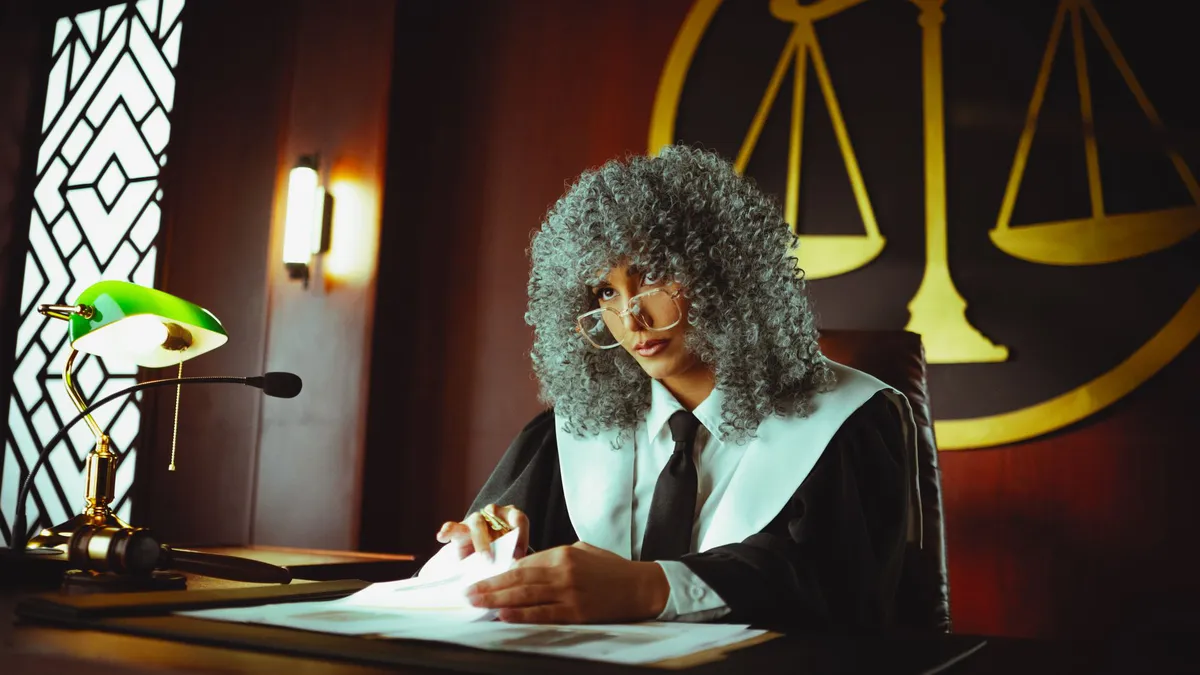
In this legal context, the producers filed an anti-SLAPP (Strategic Lawsuit Against Public Participation) motion, a legal maneuver designed to quickly dismiss lawsuits that infringe on free speech rights. The intention behind anti-SLAPP laws is to prevent individuals or entities from using litigation to silence critics or stifle public debate. However, the Los Angeles Superior Court judge, Wendy Chang, denied the motion, prompting the producers to appeal the decision.
During the appellate hearing, Judge Curtis Karnow expressed skepticism regarding the appropriateness of the producers' arguments at this procedural stage. He pointed out that while there may be numerous differences between the two shows, the pertinent question remains whether the similarities could be classified as derivative—a crucial distinction that could determine the outcome of the case.
Key Arguments from Both Sides
As the legal arguments unfold, both sides present compelling cases. Boutrous argues that “The Pitt” is a product of creative originality, emphasizing its thematic focus on contemporary societal issues such as opioid addiction, mental health crises, and the impact of long COVID on healthcare. He contends that these themes, along with the innovative structure of the series, set it apart from “ER.”
Conversely, Robert Klieger, representing the Crichton estate, counters that the producers had an obligation to secure approval for their project, especially after initial plans for a spinoff were abandoned. He contends that the producers merely rebranded the concept rather than creating something genuinely original. He highlights the shared cast members, including actor Noah Wyle, who played Dr. Carter in “ER” and now portrays Dr. Robby in “The Pitt,” as evidence of the continuity between the two shows.
Creative Expression vs. Copyright Infringement
This lawsuit is emblematic of the ongoing tensions between creative expression and copyright infringement within the entertainment industry. The challenge lies in determining where inspiration ends and unauthorized borrowing begins. Courts often grapple with the concept of “substantial similarity,” which assesses whether a reasonable observer would recognize the two works as similar enough to constitute infringement. Factors considered can include plot development, character traits, dialogue, and overall aesthetic.
In this case, Boutrous argues that the plaintiffs have not demonstrated that “The Pitt” borrows from “ER” in a manner that meets the legal threshold for infringement. He claims that the plaintiffs have not even watched the first season before filing the lawsuit, which raises questions about the validity of their claims.
The Broader Implications for the Industry
The outcome of this case could set important precedents for the television industry and creative professionals. If the court sides with the Crichton estate, it may pave the way for more stringent interpretations of copyright law, potentially stifling creative innovation and collaboration. Conversely, a ruling in favor of the producers could reinforce the principles of artistic freedom and the notion that creators should not be unduly constrained by fears of litigation.
This legal battle also highlights the necessity for clear contracts and communication within the entertainment industry. As producers navigate the complex landscape of creative rights, it becomes vital to establish agreements that delineate ownership and approval processes, especially when adapting existing works or drawing inspiration from previous creations.

Key Takeaways
- The lawsuit centers around the estate of Michael Crichton alleging that “The Pitt” infringes on “ER” copyrights.
- Producers defend their show as an original work with a unique real-time narrative structure.
- The outcome of the case could significantly impact creative expression in the television industry.
- Anti-SLAPP motions aim to protect free speech but may not apply in every legal context.
Frequently Asked Questions
What is an anti-SLAPP motion, and how does it work?
An anti-SLAPP motion is a legal tool used to dismiss lawsuits that target individuals or organizations for exercising their free speech rights. The motion argues that the lawsuit is frivolous and intended to silence criticism or public discourse. If granted, it can prevent potentially lengthy and costly litigation. However, the motion must demonstrate that the lawsuit arises from protected speech, which can be challenging to prove in court.
What are the implications of copyright law in creative industries?
Copyright law serves to protect the rights of creators by ensuring they have control over the reproduction and distribution of their works. However, the application of copyright in creative industries can be complex, especially when it comes to determining what constitutes infringement. The balance between protecting creators’ rights and allowing for artistic freedom is a delicate one, and legal precedents can significantly impact how creators navigate this landscape.
How does substantial similarity factor into copyright infringement cases?
Substantial similarity is a legal standard used to assess whether two works are similar enough to warrant a claim of copyright infringement. Courts evaluate various elements, including plot, character development, dialogue, and other artistic components. If a reasonable observer would recognize the similarities, the court may find that infringement has occurred. However, proving substantial similarity can be complex and often requires expert testimony and a thorough analysis of both works.
What should creators do to protect their work from infringement claims?
Creators can take several steps to protect their work from potential infringement claims, including documenting their creative process, securing proper contracts with collaborators, and conducting thorough research on existing works to avoid unintentional similarities. Additionally, consulting with legal professionals specialized in copyright law can provide valuable insights and help mitigate risks associated with creative projects.
Comments
Major Drug Trafficking Indictment: 81 Gang Members Charged in Puerto Rico
A sweeping federal investigation has led to the indictment of 81 alleged gang members in Puerto Rico, accused of running a violent drug trafficking organization. This article explores the implications of these charges, the nature of the criminal activities, and the broader context of drug trafficking in the region.

Related articles



Popular in Business Law
- Supreme Court Justices' Financial Disclosures: A Closer Look
- Vishal Garg's Leadership Fallout: The Rise and Fall of Better.com
- Former Intelligence Official Faces Penalty for Post-Government Misconduct
- Blank Rome Faces Lawsuit After Major Data Breach Exposes Personal Information
- Congress Faces Reckoning Over Member-Staff Relationships