Understanding the September 11th Victim Compensation Fund Awards
Navigating the September 11th Victim Compensation Fund can be complex, yet understanding how awards are calculated is crucial for maximizing compensation for those affected by 9/11-related health issues.

In the aftermath of the September 11, 2001 attacks, countless individuals were exposed to toxic dust and debris, leading to serious health conditions and, tragically, premature deaths. To address the devastating consequences of these events, the September 11th Victim Compensation Fund (VCF) was established, providing compensation to those affected, including first responders, residents, and workers in the vicinity of the World Trade Center, Pentagon, and Shanksville crash site. Understanding how VCF awards are calculated is essential for anyone seeking compensation, as it can make a significant difference in the outcome of a claim.
The VCF has evolved over the years, with the Zadroga Act of 2019 permanently authorizing it, ensuring that victims and their families receive support for the long-term health consequences of their exposure to hazardous materials. As of the latest reports, VCF compensation awards can range dramatically, from zero dollars to over $4 million, depending on various factors, including the severity of health conditions, economic losses, and other non-economic damages.
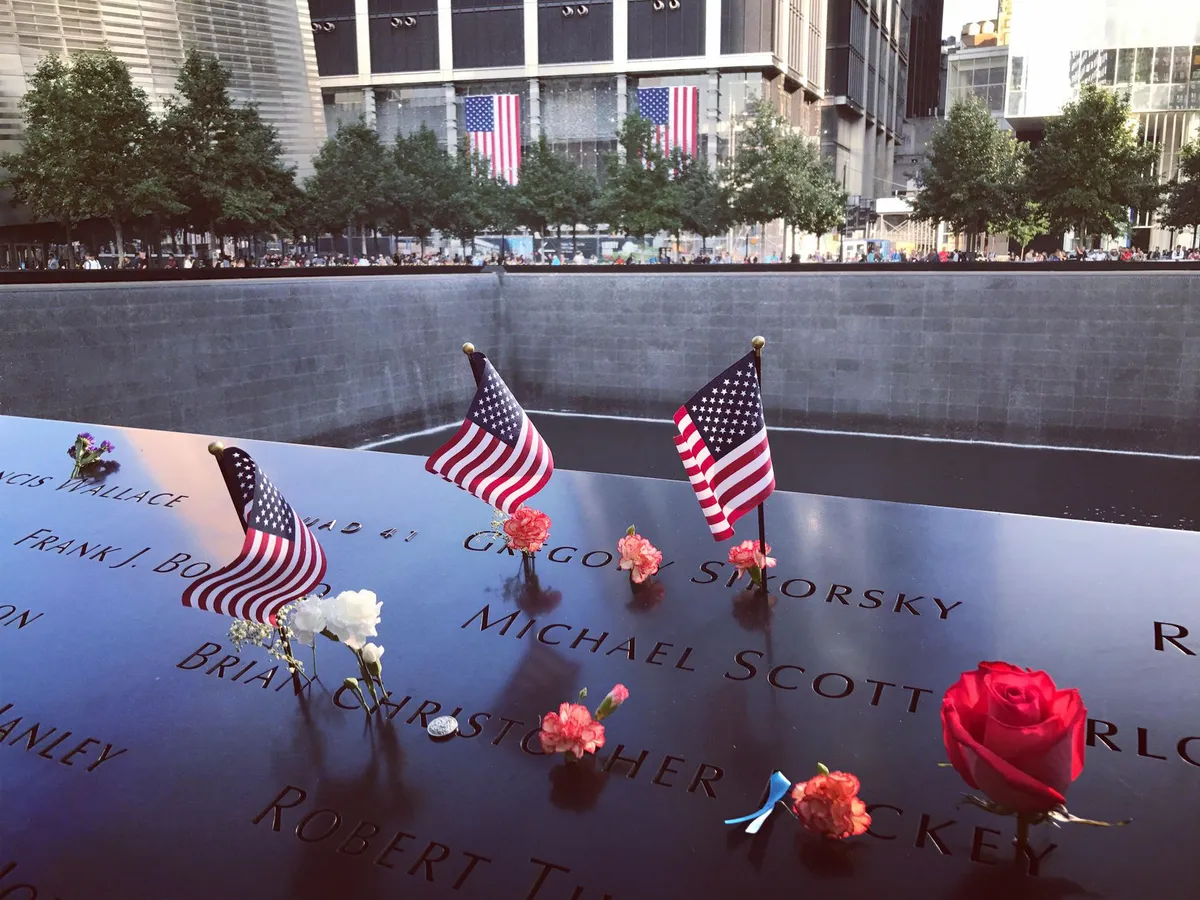
The Foundation of the VCF: Purpose and Structure
The September 11th Victim Compensation Fund was created to address the unique challenges faced by individuals affected by the 9/11 attacks. The fund compensates victims and their families for physical injuries or illnesses directly caused by exposure to toxic substances at the disaster sites. The VCF operates alongside the World Trade Center Health Program (WTCHP), which plays a critical role in certifying health conditions as related to 9/11 exposure. The WTCHP also provides medical monitoring and treatment for eligible individuals.
To qualify for a VCF award, claimants must demonstrate that they have a certified 9/11-related health condition. The process involves submitting extensive documentation, including proof of presence at the disaster sites, medical records, and evidence of economic losses. This complex navigation of rules and requirements underscores the importance of understanding the award calculation process.

Calculating Economic Loss: What You Should Know
The VCF calculates compensation based on both economic and non-economic losses. Economic losses refer to the financial impact of health conditions stemming from 9/11. These can include:
- Lost wages: Income that the claimant is unable to earn due to their health condition.
- Out-of-pocket medical expenses: Costs for treatment, medications, and therapies related to 9/11 health issues.
- Benefits lost: Loss of employment benefits, such as health insurance or retirement contributions.
- Reduced earning capacity: The long-term impact on a claimant's ability to work due to their health condition.
Each of these factors is thoroughly evaluated during the compensation process. Claimants must provide detailed documentation and evidence to substantiate their claims, highlighting the necessity of meticulous record-keeping and documentation.

Understanding Non-Economic Loss: Pain and Suffering
While economic losses can be quantifiable, non-economic losses represent the emotional and psychological toll of health conditions. Non-economic awards compensate individuals for:
- Pain and suffering: Physical pain associated with health conditions.
- Emotional distress: Anxiety, depression, or other mental health issues stemming from their condition.
- Loss of quality of life: Diminished enjoyment of life due to ongoing health problems.
The VCF assigns standardized values to non-economic damages based on the severity of the claimant's health condition. For example, while individuals suffering from non-cancerous conditions may receive modest awards in the range of $10,000 to $20,000, those with severe cancers or significant economic losses can see awards rise into the millions.
Special Considerations for Wrongful Death Claims
For families who have lost loved ones due to 9/11-related health conditions, the VCF provides specific provisions under wrongful death claims. These claims can lead to additional compensation for:
- Pre-death pain and suffering: Compensation for the deceased individual's suffering before passing.
- Surviving spouse and dependents: Awards designated for the financial support of surviving family members.
- Funeral and burial expenses: Coverage for the costs incurred for the deceased's final arrangements.
- Lost earnings: Compensation for the deceased’s past and future wages.
Understanding these elements is crucial for families seeking to maximize their compensation and to ensure they address all facets of their loss.
The Role of Legal Representation in the VCF Process
Filing a claim with the VCF can be overwhelming, given the intricate rules and extensive documentation required. Working with a qualified attorney who specializes in 9/11 claims can significantly improve your chances of a favorable outcome. Here’s how:
- Documentation expertise: An experienced attorney can help gather and submit all necessary documentation, ensuring that your claim is complete.
- Maximizing compensation: Attorneys can identify all potential economic and non-economic losses that you may be eligible to claim, increasing your potential award.
- Streamlining the process: With legal support, the claim process can move faster and more efficiently, reducing the stress on the claimant.
Legal representation is not just about navigating the paperwork; it’s about advocating for the rights of victims and their families, ensuring they receive the compensation they deserve.
Key Takeaways
- VCF awards can range from zero to over $4 million, depending on individual circumstances.
- Both economic and non-economic losses are considered in the award calculation process.
- Wrongful death claims have specific provisions for additional compensation for survivors.
- Working with an experienced attorney can significantly improve your chances of receiving a larger award.
Frequently Asked Questions
What types of health conditions are covered by the VCF?
The VCF covers a range of health conditions that have been certified as related to the 9/11 attacks. This includes respiratory illnesses, cancers, and other chronic conditions that have been linked to exposure to toxic substances at the disaster sites. Claimants must have their health conditions certified by the World Trade Center Health Program to be eligible for compensation.
How do I file a claim with the VCF?
Filing a claim with the VCF involves several steps, including gathering necessary documentation, completing the claim form, and submitting it to the fund. It’s recommended to have an attorney assist with this process to ensure all forms are filled out correctly and all required documents are included, as incomplete applications can delay or jeopardize the outcome of your claim.
Is there a deadline for filing a VCF claim?
Yes, there are specific deadlines for filing a claim with the VCF, which vary depending on the date of the health condition diagnosis and other factors. Generally, it’s advisable to file as soon as possible to avoid missing any deadlines, as late submissions may not be accepted. Consulting with an attorney can help clarify these timelines and ensure compliance.
Can I appeal if my VCF claim is denied?
Yes, if your VCF claim is denied, you have the right to appeal the decision. The appeal process involves submitting additional documentation and evidence to support your case. Having legal representation during this stage can be beneficial, as an attorney can help strengthen your appeal and advocate on your behalf effectively.
Disclaimer: This content is general information and not legal advice.
Comments
Maximizing Your Loss of Use Claim After a Car Accident
Understanding how to file a loss of use claim can significantly impact your financial recovery after a car accident. This article explores common pitfalls and essential strategies to ensure you receive the compensation you're entitled to.

Related articles



Popular in Personal Injury
- Hawaii Supreme Court Overturns 36-Year-Old Rape Conviction Due to Forensic Flaws
- The Impact of Pro Bono Work by BigLaw Firms in 2025
- Albertsons Faces Trial Over Role in Washington's Opioid Crisis
- The Hidden Dangers of Open Manholes in New York City
- Historic $81 Million Verdict in Utah Pedestrian Wrongful Death Case