Navigating the Waters of Tribal Fishing Rights in Washington
A recent federal ruling allows three tribes in Washington to harvest spotted prawns despite opposition from others, highlighting ongoing tensions over fishing rights. This article explores the implications and complexities of tribal fishing regulations.

The waters of Washington State are alive with both the promise of a bountiful harvest and the tension that comes with competing interests among tribal communities. A recent federal court ruling has cleared the way for three northern Washington tribes—the Tulalip Tribe, the Lummi Nation, and the Swinomish Indian Tribal Community—to harvest spotted prawns in the remaining days of the fishing season. This decision, however, is not without controversy. It highlights a complex history of tribal fishing rights, resource management, and intertribal relations that is deeply rooted in the Pacific Northwest.
U.S. District Judge Ricardo Martinez, who presided over the case, acknowledged the potential for future disputes arising from this ruling. He stated, “Do we have problems for next season? Absolutely,” underscoring the fragility of the current agreement. The judge's decision came after a series of objections from four other tribes—the Suquamish Tribe, Jamestown S’Klallam Tribe, Port Gamble S’Klallam Tribe, and Lower Elwha Klallam Tribe—who argued that the North Sound Tribes had not adequately consulted with them or considered the ecological impacts of their regulations.

Background of Tribal Fishing Rights in Washington
The right to fish has long been a central issue for Native American tribes in Washington State, rooted in treaties signed with the U.S. government. These treaties often guarantee fishing rights in traditional waters, but the interpretation and enforcement of these rights have led to numerous legal battles over the years. The *Boldt Decision* of 1974 was a landmark ruling that affirmed the tribes' rights to fish in their usual and accustomed waters and established a framework for the allocation of fishery resources.
However, the complexity of managing shared resources and ensuring sustainability has created ongoing tensions among tribes. The current dispute over the spotted prawn fishery is a direct reflection of these historical conflicts, as different tribes assert their rights while grappling with the environmental implications of overfishing.
The Spotted Prawn Dispute
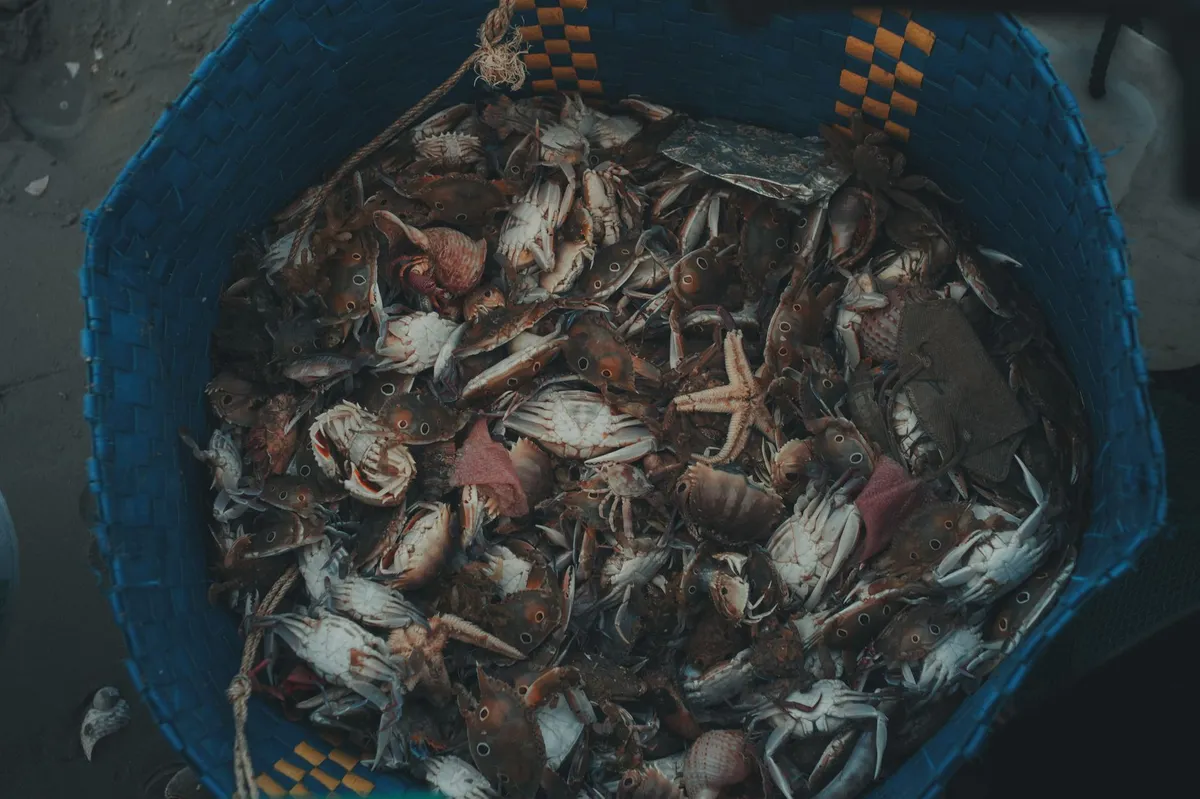
The recent conflict centers around the management of the spotted prawn fishery, which is particularly sensitive as the harvest season draws to a close on September 15. The North Sound Tribes implemented regulations to govern their fishery, which the opposing tribes contend were enacted without proper intertribal agreement. They fear that unilateral decisions regarding harvest allocations could lead to overfishing, a concern that resonates deeply given past experiences.
Lauren Rasmussen, an attorney representing the objecting tribes, articulated this concern, stating, “There’s this cycle of mismanagement that has been going on for years.” She highlighted the historical context, where overharvests have resulted in reduced quotas in subsequent years, creating a precarious cycle of resource depletion.
Legal Arguments and Court Proceedings
The legal proceedings revealed a divide between the North Sound Tribes and the four objecting tribes. The North Sound Tribes argued that the regulations were developed based on harvest percentages calculated over the past five years, ensuring a fair and sustainable approach to fishing. Tyler Eastman, representing the Tulalip Tribes, emphasized that the regulations were necessary to secure their opportunity to fish in a season that could otherwise be lost.
In contrast, the four tribes contended that the regulations did not reflect a collaborative approach and posed a risk of overharvest. They sought a court ruling to keep the fishery closed until a viable management plan could be established through intertribal negotiations.
Implications for Future Fisheries Management
Judge Martinez's ruling, while allowing the North Sound Tribes to proceed with their harvest, also served as a reminder of the need for collaboration among tribes. He urged the parties involved to come together to create a management plan that respects the rights of all tribes and considers the ecological health of the fisheries.
Washington State's Department of Fish and Wildlife has also expressed concerns regarding the management of the fishery, noting that the sustainability of resources must be a priority. The state has refrained from taking a position on intertribal allocations, recognizing the importance of self-determination among the tribes. However, their involvement underscores the delicate balance between tribal sovereignty and environmental stewardship.
The Role of Tribal Sovereignty and Self-Determination
At the heart of this dispute is the principle of tribal sovereignty, which allows Native American tribes to govern themselves and make decisions regarding their resources. This sovereignty is enshrined in treaties and has been upheld by the courts. Yet, it also comes with the responsibility to manage those resources sustainably for future generations.
The history of fishing rights in Washington is a testament to the ongoing struggle for self-determination among tribes. As they navigate these complex legal waters, the tribes must balance their individual interests with the collective need for sustainable management. The outcome of this dispute may set important precedents for how intertribal agreements are formed in the future.
Key Takeaways
- Tribal Fishing Rights: The ruling highlights the ongoing complexities surrounding tribal fishing rights in Washington.
- Intertribal Conflicts: The dispute underscores the tensions between tribes regarding resource management and sustainability.
- Importance of Collaboration: The judge emphasized the need for all tribes to work together to create equitable management plans.
- Future Implications: The ruling may influence future intertribal agreements and resource sharing.
Frequently Asked Questions
What is the significance of the U.S. District Judge's ruling?
The ruling allows the North Sound Tribes to proceed with their spotted prawn harvest, despite objections from other tribes. It highlights the ongoing tensions regarding tribal fishing rights and the need for collaborative management of shared resources. The judge acknowledged the potential for future disputes but emphasized that the current evidence did not support a ban on the fishery.
How do fishing regulations impact tribal communities?
Fishing regulations are crucial for tribal communities as they dictate access to traditional resources that are integral to their culture and livelihood. These regulations can affect economic opportunities, food security, and cultural practices. Additionally, disputes over these regulations can strain intertribal relationships and complicate resource management.
What can tribes do to prevent future disputes?
To prevent future disputes, tribes can engage in proactive dialogue and negotiations, establishing clear intertribal agreements regarding resource management. Collaboration in developing sustainable fishing practices and sharing data on fish populations can foster trust and mitigate conflicts over resource allocation. Education about the impacts of overfishing and collective stewardship can also play a role in preventing future issues.
How does tribal sovereignty play a role in these disputes?
Tribal sovereignty allows Native American tribes to govern themselves and make decisions about their resources. This sovereignty is critical in disputes over fishing rights, as tribes assert their rights based on treaties and historical agreements. However, this sovereignty comes with the responsibility to manage resources sustainably, balancing their rights with the ecological health of the fisheries.
This article is for informational purposes only and should not be considered legal advice.
Comments
Maximizing Your Loss of Use Claim After a Car Accident
Understanding how to file a loss of use claim can significantly impact your financial recovery after a car accident. This article explores common pitfalls and essential strategies to ensure you receive the compensation you're entitled to.

Related articles





Popular in Personal Injury
- Hawaii Supreme Court Overturns 36-Year-Old Rape Conviction Due to Forensic Flaws
- The Impact of Pro Bono Work by BigLaw Firms in 2025
- Albertsons Faces Trial Over Role in Washington's Opioid Crisis
- The Hidden Dangers of Open Manholes in New York City
- Historic $81 Million Verdict in Utah Pedestrian Wrongful Death Case