Federal Judge Limits ICE's Access to Medicaid Information
A federal judge has curtailed the scope of Medicaid data that the Department of Health and Human Services can share with ICE, impacting immigrant health privacy rights. This decision highlights the ongoing tensions between immigration enforcement and healthcare access.

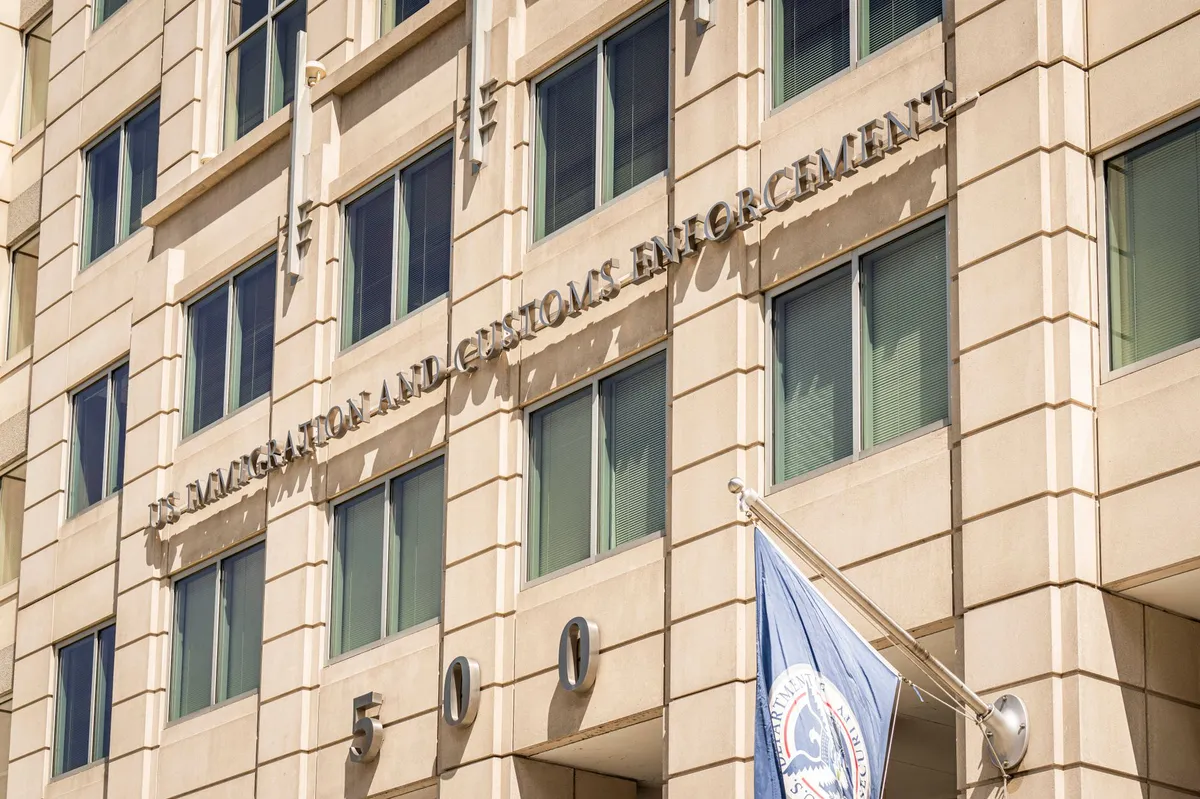
In a significant ruling that underscores the ongoing tension between immigration enforcement and healthcare access, a federal judge has limited the ability of the U.S. Immigration and Customs Enforcement (ICE) to access certain Medicaid data. This decision, issued by U.S. District Judge Vince Chhabria, highlights the intricate balance between enforcing immigration laws and safeguarding the privacy rights of vulnerable populations, particularly immigrants who rely on Medicaid for their healthcare.
The ruling comes in the wake of a controversial policy initiated by the Trump administration that sought to broaden ICE's reach to include the sharing of basic information about Medicaid recipients for immigration enforcement purposes. The stakes are high, as this decision could affect thousands of individuals who are legally in the country but may face immigration scrutiny.

The Background of the Case
The legal dispute began when a coalition of states, including California, sued the Trump administration in July 2025. They argued that a new ICE policy, which allowed the agency to request and use Medicaid data for a wide array of enforcement activities, violated the privacy rights of immigrants. The controversy centers around what constitutes lawful presence in the country and who should be protected from having their health data shared with immigration authorities.
Initially, the states sought to limit the sharing of health data to individuals under a final removal order. However, Judge Chhabria recognized the complexity of the immigration landscape, ultimately deciding that other groups in removal proceedings also warranted protection.
What Information Can Be Shared?
The judge's ruling delineated the types of information that could be shared with ICE, limiting it to the following:
- Citizenship and immigration status
- Address
- Phone number
- Date of birth
- Medicaid ID
While this represents a victory for privacy advocates, the broader implications of the ruling are still unfolding. The judge expressed skepticism about the government's position that only individuals who are permanently in the country should be protected from having their data shared.
The Legal Arguments
The clash in the courtroom reflected deep ideological divides over immigration enforcement. The states contended that sharing data of individuals who are legally present, albeit temporarily, would undermine public trust in healthcare systems and deter immigrants from seeking necessary medical care. California Department of Justice attorney Anna Rich emphasized the unreasonableness of allowing Medicaid data to be shared for such a large group of people who are here lawfully.
Conversely, representatives from the Department of Justice (DOJ) argued for broader access, claiming that ICE's statutory authority to obtain Medicaid data encompassed all individuals not permanently residing in the country. This perspective raises critical questions about the intersection of federal immigration policy and state privacy laws.
Judge Chhabria's Stance
Judge Chhabria’s skepticism towards the DOJ's arguments was evident during the proceedings. He questioned the rationale behind excluding non-permanent residents from protections, asking, “I don’t understand the magic of permanently in that context.” His viewpoint suggests a growing recognition of the complexities surrounding immigration and healthcare, where individuals with valid visas or temporary protections still contribute to society and deserve privacy rights.

The Impact on Immigrants
The ruling holds significant implications for immigrants, particularly those with temporary legal status, such as:
- Individuals holding valid, non-expired visas (work or student visas)
- Recipients of Temporary Protected Status (TPS)
- Deferred Action for Childhood Arrivals (DACA) recipients
- Victims of human trafficking
These groups now have a layer of protection against potential misuse of their medical data by immigration authorities. The ruling aims to foster a more trusting environment where immigrants can seek healthcare without fear of deportation or legal repercussions.
Future Legal Considerations
As the case continues to unfold, further legal battles are likely. Judge Chhabria directed both parties to reach an agreement on how to implement his guidance, indicating that the interpretation of who is considered ‘lawfully present’ will evolve. This dynamic presents ongoing challenges for the healthcare system and immigration enforcement, as agencies must navigate the legal landscape carefully.
Key Takeaways
- A federal judge has limited ICE's access to Medicaid data, particularly protecting individuals with temporary legal status.
- The ruling reflects ongoing tensions between immigration enforcement and healthcare access for immigrants.
- Immigrant groups such as TPS holders and DACA recipients are now safeguarded from having their medical data shared with ICE.
- Future legal interpretations may further clarify who is considered 'lawfully present' in the context of Medicaid data sharing.
- Healthcare providers may need to adapt their practices to ensure compliance with this ruling while maintaining patient trust.
Frequently Asked Questions
What does the ruling mean for undocumented immigrants who use Medicaid?
The ruling primarily impacts the sharing of Medicaid data with ICE, offering some protections to undocumented immigrants by limiting the types of information that can be shared. However, undocumented immigrants may still face challenges in accessing healthcare due to fears of deportation and legal repercussions. This ruling aims to alleviate some of those fears by restricting ICE’s access to sensitive health information.
How can immigrants protect their health data?
Immigrants can take proactive steps to protect their health data by being aware of their rights regarding privacy and data sharing. Seeking healthcare from providers who are committed to protecting patient information can also help. Additionally, immigrants should stay informed about changes in immigration and healthcare policies that may affect their rights and access to services.
What are the implications for healthcare providers?
Healthcare providers must navigate the complex legal landscape post-ruling by ensuring that they comply with the guidelines set forth by Judge Chhabria. This includes training staff on data privacy policies and understanding the legal definitions of who is considered lawfully present to avoid inadvertently sharing sensitive patient information with ICE.
Will this ruling affect all states equally?
While this ruling directly affects the states involved in the lawsuit, its implications may resonate across the country. Other states could look to this ruling as a precedent when considering their own policies regarding immigration enforcement and healthcare access. As such, the ruling may influence broader national discussions about the intersection of immigration law and healthcare.
Disclaimer: This content is general information and not legal advice.
Comments
Celebrating Excellence: McKeen & Associates Recognized as a Top Law Firm
McKeen & Associates has earned accolades as a leading law firm for personal injury and medical malpractice, with multiple attorneys recognized for their expertise. This honor underscores the firm's commitment to justice and client advocacy.

Related articles


Popular in Personal Injury
- Hawaii Supreme Court Overturns 36-Year-Old Rape Conviction Due to Forensic Flaws
- The Impact of Pro Bono Work by BigLaw Firms in 2025
- Albertsons Faces Trial Over Role in Washington's Opioid Crisis
- The Hidden Dangers of Open Manholes in New York City
- Historic $81 Million Verdict in Utah Pedestrian Wrongful Death Case