AI Revolutionizes Personal Injury Case Management with Hona's New Agent
Hona's launch of an AI agent marks a significant advancement in personal injury case management. This innovative tool promises to streamline processes for lawyers and improve client experiences.
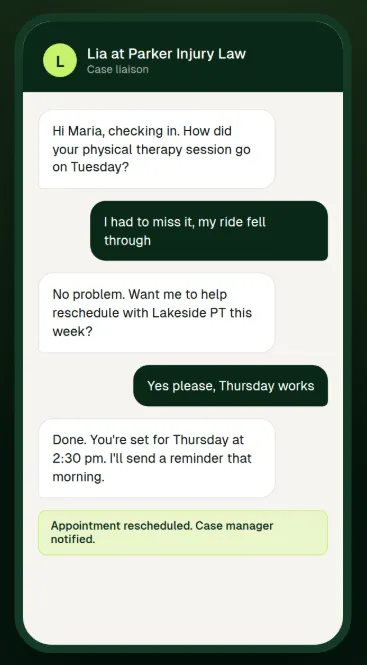
In an era where technology continuously reshapes the landscape of various industries, the legal sector is no exception. Recently, Hona, a pioneering platform focused on personal injury case management, unveiled its latest innovation: an AI-driven agent designed to enhance operational efficiency for legal professionals. This launch is not just a technological upgrade; it signifies a potential shift in how personal injury cases are handled, promising improved client interactions and streamlined workflows.
As personal injury lawyers face increasing caseloads and the need for timely, effective client communication, Hona’s AI agent emerges as a solution that can navigate these challenges. By automating routine tasks, this technology aims to free up valuable time for attorneys, allowing them to focus on the nuances of their cases and provide better service to their clients.

The Role of AI in Personal Injury Law
Artificial Intelligence (AI) has begun to play a pivotal role in various aspects of the legal profession. From predictive analytics that assess case outcomes to document review processes that increase speed and accuracy, AI applications are transforming traditional practices. In personal injury law, where detail-oriented case management is crucial, the adoption of AI can lead to significant improvements in efficiency.
How Hona's AI Agent Works
Hona’s AI agent acts as an interactive tool that assists lawyers in managing their personal injury cases. Here are some of its core functionalities:
- Document Automation: The AI can generate and manage legal documents, reducing time spent on repetitive paperwork.
- Client Communication: It can handle initial client inquiries and follow-ups, providing quick responses and freeing attorneys to focus on case strategy.
- Case Tracking: The agent can monitor various stages of a case, alerting lawyers to important deadlines and developments.
- Data Analysis: By analyzing past case data, the AI can offer insights into potential outcomes and strategies for current cases.

Benefits for Legal Professionals and Clients
The introduction of Hona's AI agent comes with a host of benefits, not only for legal practitioners but also for their clients. For lawyers, the ability to automate mundane tasks means they can devote more time to complex legal matters, ultimately improving the quality of representation. Furthermore, enhanced communication capabilities enable lawyers to respond to clients swiftly, addressing their concerns more effectively.
Clients benefit from this technology in several ways:
- Faster Response Times: With the AI agent handling initial communications, clients can expect quicker answers to their questions.
- Transparency: Automated updates about the status of their cases can help clients stay informed throughout the process.
- Enhanced Accessibility: Clients can interact with the AI agent outside of regular office hours, improving accessibility to legal support.

Challenges and Considerations
While the benefits of Hona’s AI agent are apparent, there are also challenges and considerations that need to be addressed. One primary concern is the ethical implications of AI in the legal field. Lawyers must ensure that while automated systems can enhance efficiency, they do not compromise the integrity of legal advice or client confidentiality.
Regulatory Compliance
Legal professionals must also navigate the complex landscape of regulatory compliance. As AI technologies evolve, so too must the legal frameworks that govern their use. Lawyers will need to stay informed about legislation related to data privacy, especially as the AI agent interacts with sensitive client information.
Future of AI in Personal Injury Law
The launch of Hona's AI agent is just the beginning of a larger trend towards integrating artificial intelligence in the legal profession. As legal technology continues to advance, personal injury lawyers will likely see an increasing number of tools designed to enhance their practices. With the potential for AI to improve case management, drive efficiencies, and elevate client experiences, the future looks promising.
Law firms that embrace these technological advancements early may find themselves at a competitive advantage in a rapidly evolving legal market. As clients increasingly demand faster, more transparent services, those firms that leverage AI effectively will likely stand out.
Key Takeaways
- Hona has launched an AI agent designed to streamline personal injury case management.
- The AI assists with document automation, client communication, and case tracking.
- Benefits include faster response times and enhanced accessibility for clients.
- Lawyers must consider ethical implications and regulatory compliance related to AI use.
- The future of AI in law promises significant improvements in efficiency and client service.
Frequently Asked Questions
What is Hona's AI agent and how does it work?
Hona's AI agent is an innovative tool designed to assist personal injury lawyers in managing their cases more effectively. It automates routine tasks such as document generation and client communication, allowing attorneys to focus on more complex legal matters. By providing real-time updates and insights, the AI enhances the overall management of personal injury cases.
What benefits does the AI agent offer to clients?
Clients stand to gain several advantages from the use of Hona's AI agent. Primarily, they can expect quicker response times to inquiries and enhanced transparency regarding the status of their cases. Additionally, the AI’s ability to provide updates outside of regular business hours improves client accessibility, making legal support more convenient.
Are there any ethical concerns regarding the use of AI in law?
Yes, there are significant ethical considerations surrounding the use of AI in the legal field. Lawyers must ensure that the use of AI does not compromise the quality of legal advice or client confidentiality. Maintaining the integrity of the attorney-client relationship is paramount, and legal professionals must navigate these challenges carefully as they integrate AI into their practices.
How might the future of personal injury law change with AI technology?
The incorporation of AI technology into personal injury law is likely to lead to more efficient case management, faster services, and enhanced client experiences. As the technology continues to evolve, we can expect to see a greater number of tools that will assist lawyers in delivering high-quality legal representation, potentially reshaping the landscape of the legal profession.
Comments
Celebrating Excellence: McKeen & Associates Recognized as a Top Law Firm
McKeen & Associates has earned accolades as a leading law firm for personal injury and medical malpractice, with multiple attorneys recognized for their expertise. This honor underscores the firm's commitment to justice and client advocacy.

Related articles



Popular in Personal Injury
- Hawaii Supreme Court Overturns 36-Year-Old Rape Conviction Due to Forensic Flaws
- The Impact of Pro Bono Work by BigLaw Firms in 2025
- Albertsons Faces Trial Over Role in Washington's Opioid Crisis
- The Hidden Dangers of Open Manholes in New York City
- Historic $81 Million Verdict in Utah Pedestrian Wrongful Death Case