Understanding Liability in Truck Accidents Caused by Unsecured Loads
Unsecured loads can lead to serious truck accidents, raising questions about liability. This article explores the responsibilities of drivers, carriers, and loading companies in ensuring cargo safety and how to seek compensation after an accident.
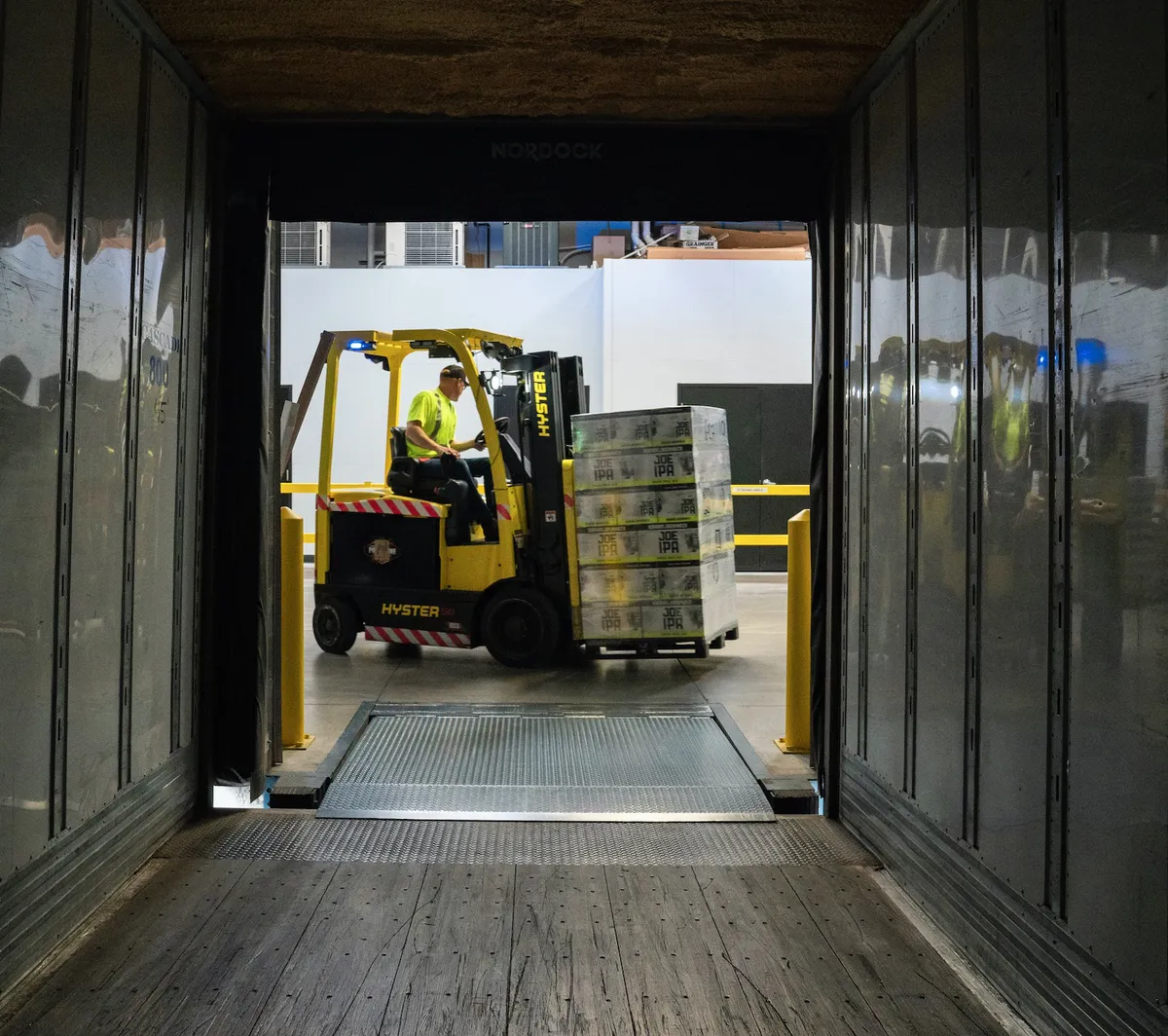
Truck accidents can be catastrophic, particularly when they involve unsecured loads. An unsecured load can turn a seemingly innocuous cargo into a deadly road hazard. When materials fall from a truck, they pose a serious risk not only to the vehicle itself but also to other motorists and pedestrians. In Macon, GA, as in other parts of the country, understanding who is responsible when an unsecured load causes a truck accident is vital for victims seeking justice and compensation.
Determining liability in such cases is complex and depends on various factors, including how the cargo was loaded, inspected, secured, and transported. Each element plays a crucial role in establishing fault and identifying the parties liable for the accident. This article delves into the intricacies of truck accident liability related to unsecured loads and provides practical guidance for those affected.

What Constitutes an Unsecured Load?
An unsecured load refers to cargo that is not properly restrained, posing a significant risk during transport. When a truck operator makes a sudden stop or takes a sharp turn, improperly secured items can shift, leading to potential loss of control. This could result in rollover or jackknife accidents, which are particularly dangerous given the size and weight of commercial trucks. Additionally, if cargo falls onto the roadway, it can cause secondary accidents as other drivers react to avoid the debris.
Federal Regulations on Cargo Securement
The Federal Motor Carrier Safety Administration (FMCSA) has stringent regulations governing the securement of cargo on commercial vehicles. These rules mandate that:
- Cargo must be contained, immobilized, or secured to prevent shifting.
- Securement systems must prevent leaks, spills, or falls of materials.
- Various securement methods, such as tiedowns, blocking, and bracing, may be required based on the type of cargo.
For instance, specific regulations govern the transportation of hazardous materials, metal coils, logs, and heavy machinery. Failure to adhere to these regulations can result in serious penalties for companies and drivers alike.
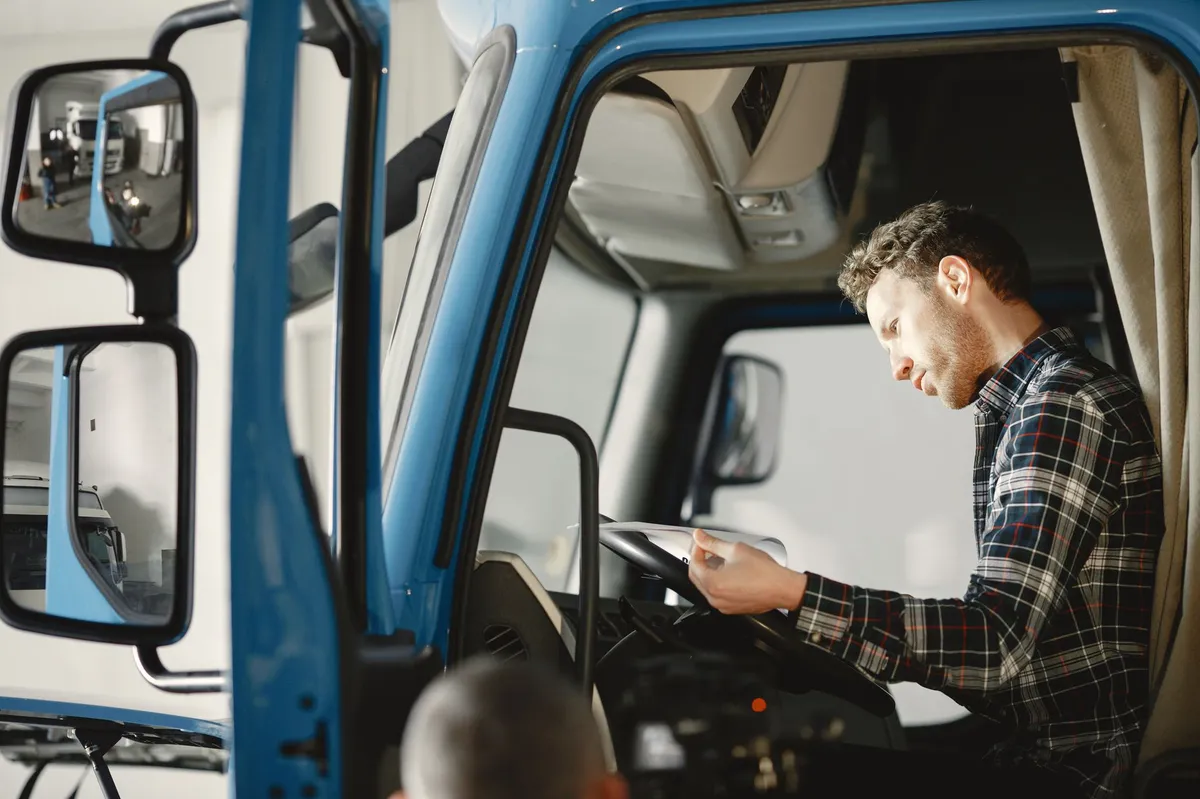
Investigating Liability: Who is Responsible?
When an accident occurs due to an unsecured load, multiple parties may share responsibility. Liability can fall on:
- The truck driver, who is responsible for inspecting the cargo and securement devices before and during transport.
- The motor carrier or trucking company, which bears responsibility for ensuring that proper loading procedures are followed and that the vehicle is equipped with adequate securement equipment.
- A third-party loading company or shipper, particularly if they loaded the cargo improperly.
In Georgia, the concept of comparative fault applies, meaning that liability can be divided among various parties. This legal principle allows for a more equitable distribution of responsibility based on the actions contributing to the accident. Therefore, a truck driver, a loading contractor, and even another motorist may all share fault for an accident.
Legal Recourse for Victims of Unsecured Load Accidents
Victims of truck accidents caused by unsecured loads may be entitled to compensation for various damages, which can include:
- Medical expenses for emergency treatment and rehabilitation.
- Lost wages due to missed work.
- Property damage from the accident.
- Non-economic damages such as pain and suffering.
Calculating these damages can be complicated, especially when considering long-term impacts like permanent disability or ongoing medical care. Victims should gather all relevant evidence, including police reports, medical records, and witness statements, to support their claims.
Statute of Limitations in Georgia
In Georgia, the statute of limitations for filing a personal injury claim is generally two years from the date of the accident. However, certain circumstances can affect this timeline, especially if the accident involves a government vehicle or agency, which may have additional notice requirements. Given the urgency of preserving evidence, it is advisable for victims to act quickly to secure their rights.
The Importance of Evidence Collection
When it comes to truck accidents involving unsecured loads, evidence collection is crucial. This includes not only gathering witness statements and police reports but also preserving physical evidence related to the cargo and securement methods used at the time of the accident. Key elements to focus on include:
- The condition of securement devices, such as straps and chains.
- Records related to the loading process, including contracts and instructions.
- Inspection reports from the truck driver and motor carrier.
Investigators will assess whether the securement devices were in good condition, appropriately positioned, and sufficient for the weight of the cargo. If an inspection reveals inadequate procedures or equipment, both the driver and the trucking company may face liability for their negligence.

Choosing the Right Legal Representation
Given the complexities involved in truck accident cases, particularly those stemming from unsecured loads, seeking experienced legal counsel is imperative. Victims should look for attorneys who specialize in personal injury law, particularly those with a background in trucking regulations and accident investigations. An adept lawyer can help navigate the intricate landscape of liability, negotiate with insurance companies, and pursue fair compensation on behalf of the injured party.
The Law Office of Joel Grist, with over 30 years of experience, provides specialized legal services for victims in Macon and Warner Robins. Their expertise in federal trucking regulations and accident recovery strategies can prove invaluable in the pursuit of justice.
Key Takeaways
- Unsecured loads can lead to serious truck accidents, affecting multiple parties.
- Liability may fall on drivers, motor carriers, and loading companies.
- Victims have the right to pursue compensation for medical expenses, lost wages, and pain and suffering.
- Evidence preservation is crucial for establishing fault and securing compensation.
- Consulting a knowledgeable attorney can significantly impact the outcome of a case.
Frequently Asked Questions
What should I do immediately after a truck accident?
After a truck accident, your first priority should be safety. Ensure that you and others are safe, and call for emergency assistance if necessary. Document the scene by taking photographs, collecting witness information, and obtaining a copy of the police report. Seek medical attention even if you feel fine, as injuries can manifest later. Finally, consult with a personal injury attorney to understand your legal rights and options.
How is fault determined in a truck accident?
Fault in a truck accident is determined through a thorough investigation that examines the actions of all parties involved. This includes assessing whether the cargo was adequately secured, if the driver conducted proper inspections, and whether the motor carrier followed federal regulations. Evidence such as inspection records, witness testimonies, and physical evidence from the accident scene are crucial in establishing liability.
What types of compensation can I receive after a truck accident?
Victims of truck accidents may be entitled to various forms of compensation, including medical expenses, lost wages, property damage, and pain and suffering. The specific amount will depend on the severity of the injuries, the impact on the victim's life, and the degree of fault assigned to each party involved in the accident.
How long do I have to file a claim for a truck accident in Georgia?
In Georgia, victims generally have two years from the date of the accident to file a personal injury claim. However, this timeframe can vary in specific situations, such as accidents involving government entities or unique circumstances that might impact the statute of limitations. It is crucial to consult with an attorney as soon as possible to ensure your rights are protected.
This content is general information and not legal advice.
Comments
Oura Ring Faces Class Action Lawsuit Over Sleep Tracking Claims
A proposed class action lawsuit against Oura claims its smart ring does not deliver on its promises of accurate sleep tracking. This legal challenge raises significant questions about the reliability of wearable health technology.

Related articles




Popular in Personal Injury
- Hawaii Supreme Court Overturns 36-Year-Old Rape Conviction Due to Forensic Flaws
- The Impact of Pro Bono Work by BigLaw Firms in 2025
- The Hidden Dangers of Open Manholes in New York City
- Historic $81 Million Verdict in Utah Pedestrian Wrongful Death Case
- An Alarming Trend: The Murder of Journalists in Mexico