Idaho Supreme Court Considers Controversial Abortion Initiative Ballot Language
The Idaho Supreme Court is faced with a pivotal case concerning the language of a ballot initiative aimed at expanding abortion rights. The dispute highlights wider implications for reproductive health legislation in Idaho and the clarity required in ballot measures.
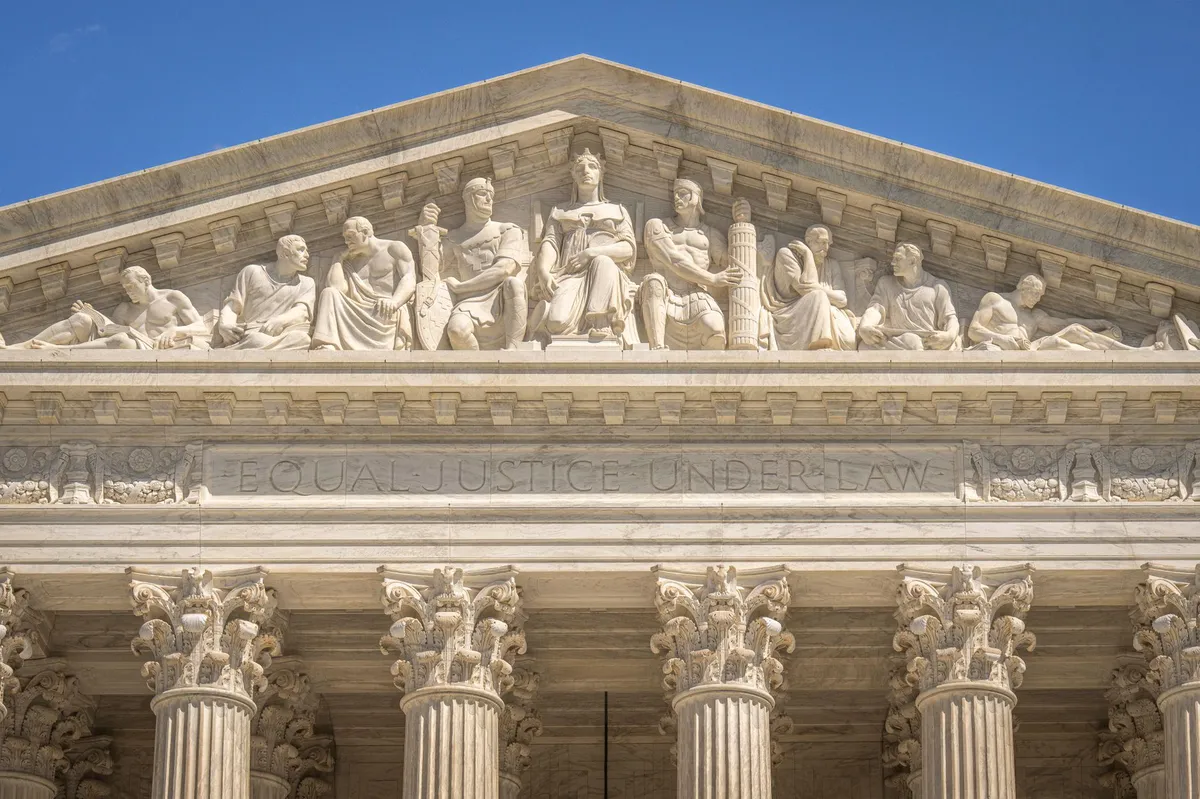
The Idaho Supreme Court recently found itself at the center of a contentious legal battle over the language used in a ballot initiative that could reshape abortion rights in the state. As the November election approaches, advocates for reproductive health are pushing back against what they perceive as misleading descriptions of the Reproductive Freedom and Privacy Act, an initiative set forth by Idahoans United for Women and Families. This legal skirmish underscores the critical nature of ballot language, not only for clarity but also for its potential influence on voter decision-making.
At the heart of this dispute is the language proposed by Idaho Secretary of State Phil McGrane and Attorney General Raul Labrador. The advocacy group claims that the officials have mischaracterized their initiative, which aims to safeguard fundamental rights related to reproductive healthcare and personal medical decision-making. If passed, the initiative would establish legal rights to abortion prior to fetal viability and in medical emergencies, while also allowing for private consultations with healthcare providers regarding reproductive health.
Legal Framework Governing Ballot Language
Under Idaho law, the language used in ballot measures must be clear and concise, providing voters with a straightforward understanding of the implications of their votes. This requirement is critical, as voters rely on this information to make informed decisions. The language prepared by McGrane and Labrador states that a yes vote would create reproductive rights, including access to abortion before a fetus can survive outside the womb, while a no vote would maintain the status quo, which allows limited access to abortion under specific circumstances.
The plaintiffs in this case argue that the statements provided by the state fail to adequately inform voters about the current legal landscape surrounding abortion in Idaho. They contend that the existing law imposes criminal prohibitions on abortion, punishable by prison time and the potential revocation of a medical provider's license. Furthermore, they assert that the language used in the 'no' statement misrepresents the legal exceptions that currently exist, suggesting a protective measure for the life of the mother that is more nuanced than what is articulated.
The Role of the Courts in Voter Information
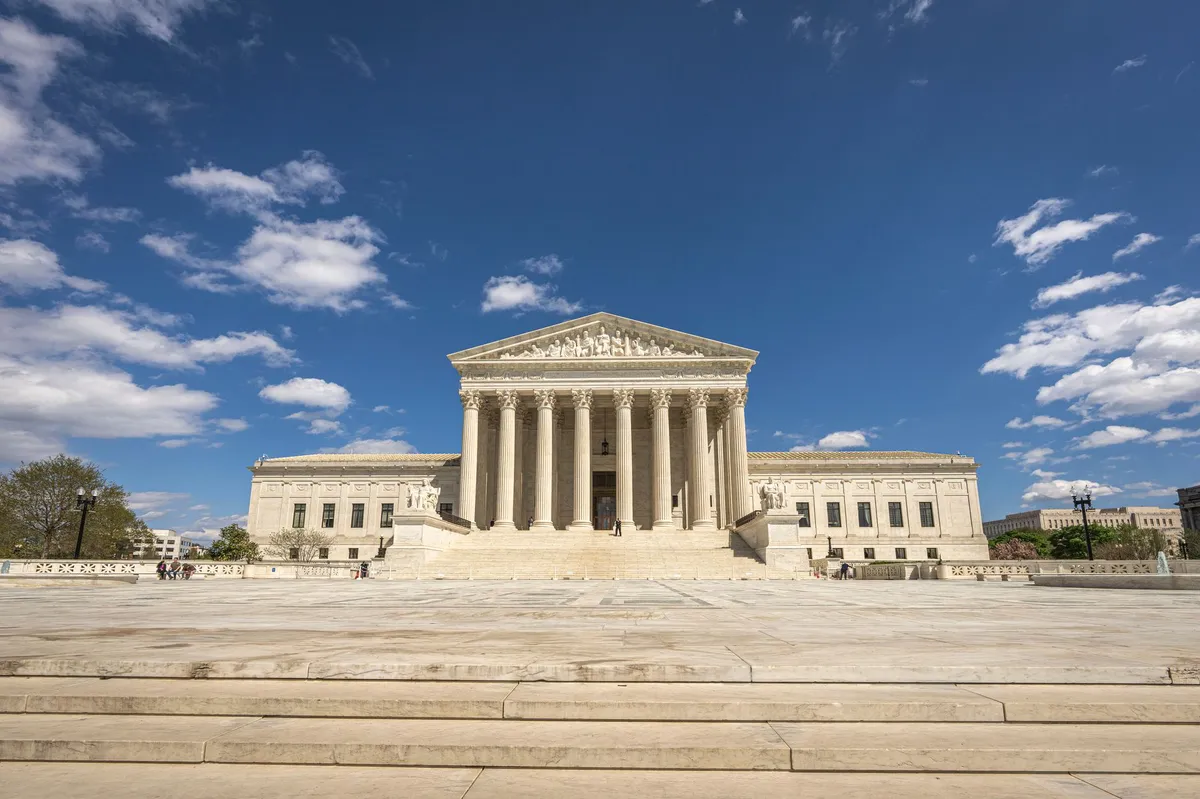
The Idaho Supreme Court's involvement in this matter raises important questions about the role of the judiciary in ensuring that voters have access to accurate and comprehensive information. Justice Gregory Moeller expressed skepticism over whether a simplified binary statement—indicating merely that a yes vote would pass the proposition and a no vote would leave current laws unchanged—would fulfill the statutory requirements. His comments highlight the potential pitfalls of oversimplifying complex legal issues that require voters to understand the nuances of the law.
Justice Colleen Zahn further emphasized the importance of focusing on the implications of the vote rather than merely the act of voting itself. This perspective underscores the need for clarity and transparency in ballot language, particularly when it pertains to sensitive and consequential issues such as abortion rights.
Arguments from Both Sides
The advocates for the initiative are seeking a more straightforward statement that conveys the essence of the vote without unnecessary characterization. They propose a simplified yes/no statement: “A YES vote means Proposition One will become state law” and “a NO vote means state law regarding abortion will remain unchanged.” The intention behind this approach is to allow voters to make decisions based on their own understanding and beliefs about the initiative.
Conversely, the state argues that it has a duty to ensure voters are fully informed about the potential consequences of their votes. Yvonne Dunbar from the Idaho Attorney General’s Office contended that the plaintiffs' proposed language would dilute the informational value of the statements, reducing them to mere procedural affirmations without substantive content. This raises a critical point about the balance between clarity and comprehensiveness in voter information.

Implications for Reproductive Rights in Idaho
The outcome of this legal dispute carries significant implications for reproductive rights in Idaho and potentially sets a precedent for how ballot initiatives are framed in the future. If the court sides with the advocacy group, it could lead to a more straightforward presentation of ballot measures, enabling voters to engage with complex issues on their own terms. On the other hand, if the court upholds the state's language, it may reinforce the existing legal framework, which many advocates view as restrictive.
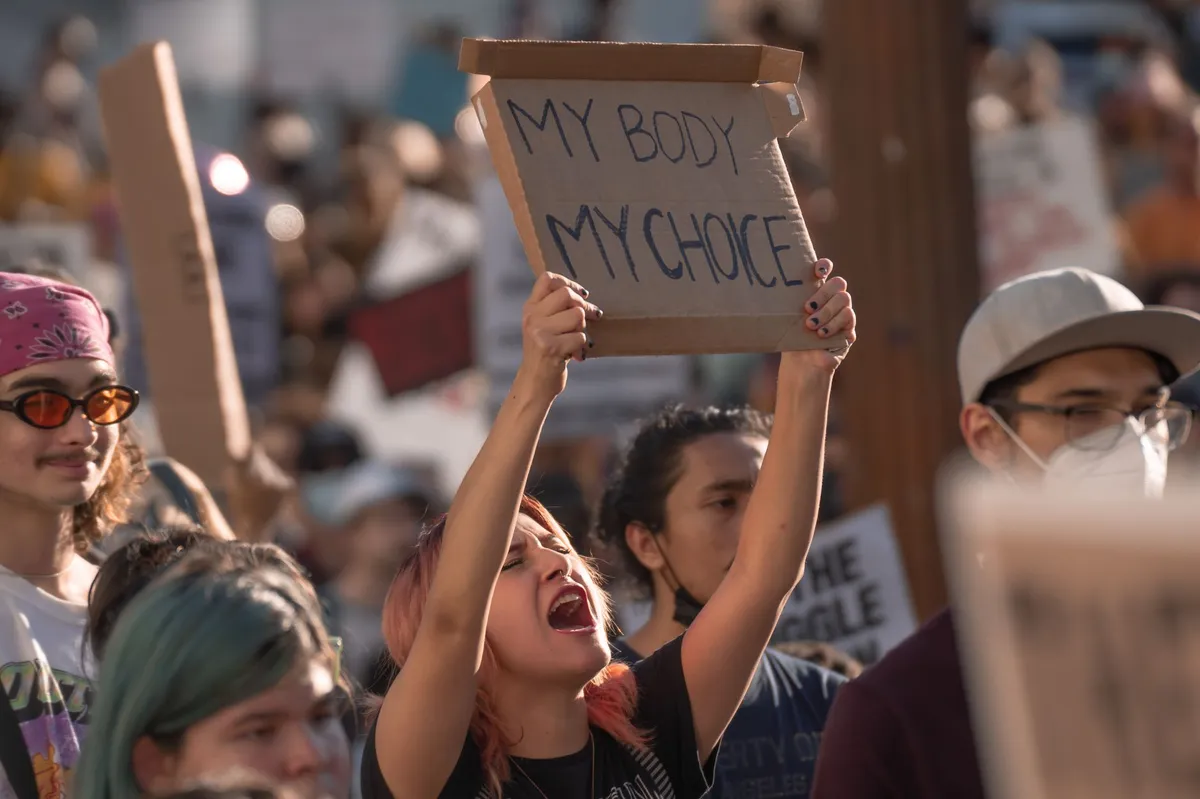
Moreover, the broader implications of this case extend beyond Idaho, reflecting a national trend of increasing scrutiny over reproductive rights and the legislative language that governs them. As states across the country grapple with similar issues, the decisions made by the Idaho Supreme Court could inform future legal battles and initiatives in other jurisdictions.
Key Takeaways
- Abortion Access Debate: The Idaho Supreme Court is reviewing language for an abortion rights ballot initiative, highlighting the contentious nature of reproductive rights.
- Legal Clarity: The court's decision will address how clearly ballot measures must communicate their implications to voters.
- Impacts Beyond Idaho: The ruling may set a precedent influencing similar initiatives and legal battles across the United States.
- Voter Education: The outcome emphasizes the importance of clear communication in electoral processes, particularly on sensitive issues.
Frequently Asked Questions
What is the Reproductive Freedom and Privacy Act?
The Reproductive Freedom and Privacy Act is an initiative proposed by Idahoans United for Women and Families aimed at safeguarding rights related to reproductive healthcare. If enacted, it would establish legal rights to abortion prior to fetal viability and in cases of medical emergencies, while allowing for private consultations between patients and healthcare providers.
Why is the language on the ballot so important?
The language on the ballot is crucial because it informs voters about the implications of their choices. Clarity in ballot measures ensures that voters can make informed decisions based on their understanding of the laws being proposed or amended. Misleading or ambiguous language can lead to confusion and potentially affect the outcome of the vote.
What are the potential consequences of the court's ruling?
The court's ruling could significantly impact the upcoming election by determining how ballot language is structured and presented to voters. A decision in favor of clearer language could empower voters with more straightforward information, while a ruling supporting the state's language may maintain the status quo surrounding abortion laws in Idaho.
How does this case reflect broader trends in reproductive rights?
This case illustrates the ongoing national debate regarding reproductive rights and the legislative language that governs them. As states grapple with varying degrees of access to abortion and reproductive healthcare, the Idaho Supreme Court's decision may serve as a bellwether for future legal confrontations and initiatives in other states.
This content is general information and not legal advice.
Comments
Oura Ring Faces Class Action Lawsuit Over Sleep Tracking Claims
A proposed class action lawsuit against Oura claims its smart ring does not deliver on its promises of accurate sleep tracking. This legal challenge raises significant questions about the reliability of wearable health technology.

Related articles





Popular in Personal Injury
- Hawaii Supreme Court Overturns 36-Year-Old Rape Conviction Due to Forensic Flaws
- The Impact of Pro Bono Work by BigLaw Firms in 2025
- Albertsons Faces Trial Over Role in Washington's Opioid Crisis
- The Hidden Dangers of Open Manholes in New York City
- Historic $81 Million Verdict in Utah Pedestrian Wrongful Death Case