Texas vs. Pfizer: A Deep Dive into the Covid-19 Vaccine Legal Battle
The ongoing legal battle between Texas and Pfizer over the Covid-19 vaccine raises significant questions about jurisdiction, liability, and public health. As the Fifth Circuit considers reviving the case, its implications could resonate across the nation.
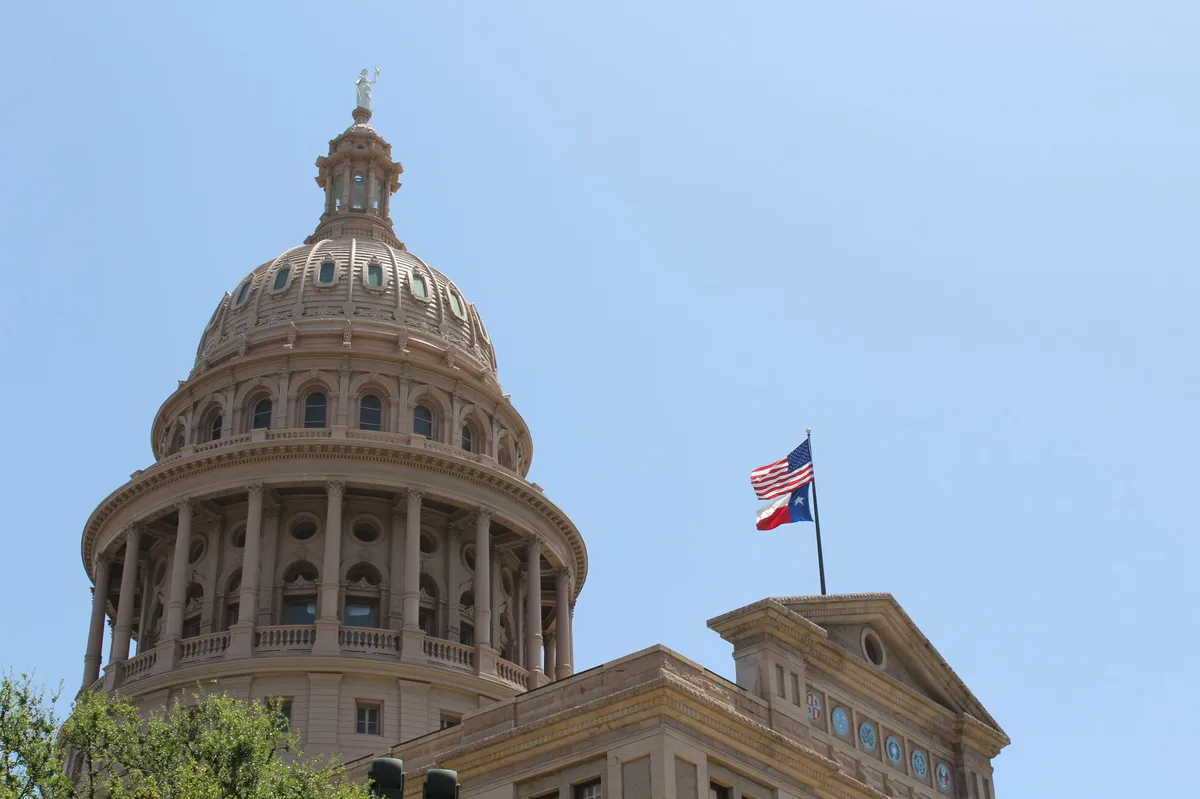
The legal landscape surrounding the Covid-19 pandemic continues to evolve, particularly as state governments grapple with the implications of vaccine distribution and efficacy. In Texas, Attorney General Ken Paxton has reignited a legal battle against pharmaceutical giant Pfizer, alleging that the company misrepresented the efficacy of its Covid-19 vaccine. As the case makes its way through the Fifth Circuit Court of Appeals, questions of jurisdiction and liability are at the forefront, not only affecting the parties involved but potentially setting precedents for future lawsuits.
At the heart of this case is Paxton's assertion that Pfizer violated the Texas Deceptive Trade Practices Act (DTPA) by misleading the public about its vaccine’s effectiveness while simultaneously attempting to suppress dissenting opinions. This legal action could have significant ramifications for how pharmaceutical companies communicate about their products, especially in the context of public health emergencies.
The Basis of the Lawsuit
In late 2024, Senior U.S. District Judge Sam Cummings dismissed Paxton’s lawsuit, citing Pfizer's immunity under the federal Public Readiness and Emergency Preparedness (PREP) Act. This federal law was designed to encourage the rapid production of vaccines and other medical countermeasures during public health emergencies, providing manufacturers with legal protections against lawsuits related to their products. However, Paxton is challenging this dismissal, arguing that the case should be resolved in state court.
Understanding the PREP Act
Under the PREP Act, the Secretary of Health and Human Services can issue declarations granting manufacturers immunity from lawsuits arising from the use of covered countermeasures. For example, in March 2020, the HHS Secretary declared that Covid-19 vaccines were covered countermeasures under this Act. This means that manufacturers like Pfizer are generally shielded from liability for losses resulting from the administration of their vaccines.
The Role of the Fifth Circuit
As the Fifth Circuit reviews the case, judges are exploring whether Judge Cummings had the proper jurisdiction to dismiss the lawsuit. U.S. Circuit Judge Leslie Southwick highlighted the importance of jurisdiction, stating, “You can’t concede jurisdiction.” If the judges determine that the case was improperly removed to federal court, it could be sent back to the Texas state court, potentially reopening the door for Paxton's claims against Pfizer.

The Jurisdictional Debate
Pfizer's legal team, led by attorney Kannon Shanmugam, argues that the federal officer removal statute applies in this case. This statute allows lawsuits against federal officials and contractors to be moved to federal court. Pfizer contends that its contract with the federal government to produce the Covid-19 vaccine justifies this removal, supported by a recent U.S. Supreme Court ruling in Chevron USA Inc. v. Plaquemines Parish.
In this ruling, the Supreme Court upheld that Chevron could remove a lawsuit related to its oil production, affirming that historical contracts with the federal government were relevant to the case. Conversely, Judge Edith Jones pointed out that the Supreme Court distinguished cases based on the timing of the contracts and the alleged misrepresentations. Shanmugam contends that Pfizer's situation is different because the claims against the company are directly tied to its obligations under the federal contract.
Implications for Consumers and Pfizer
The outcomes of this case could have far-reaching implications for how pharmaceutical companies manage their public relations and the legal liabilities they face during public health crises. If Paxton's lawsuit is allowed to proceed, it could set a precedent for future claims against vaccine manufacturers, fundamentally altering the landscape of pharmaceutical liability.
The Impact on Public Trust
Public trust in vaccines is paramount, especially in the wake of the Covid-19 pandemic. Misleading statements about vaccine efficacy could deter individuals from getting vaccinated, which could undermine public health efforts. If Paxton is successful in his claims, it could compel Pfizer and other manufacturers to adopt more transparent communication strategies regarding their products, thereby fostering greater consumer trust.

Potential Consequences of the Lawsuit
Should the Fifth Circuit ultimately decide in favor of reviving Paxton's lawsuit, it may lead to the following consequences:
- Increased Scrutiny on Pharmaceutical Marketing: Vaccine manufacturers may be held to stricter standards regarding how they advertise and communicate about their products.
- Legal Precedents: A ruling favoring Texas could pave the way for other states to pursue similar lawsuits against vaccine manufacturers.
- Public Health Implications: Greater transparency could lead to improved public health outcomes by enhancing consumer confidence in vaccines.
- Financial Repercussions: If Pfizer is found liable, it could face substantial financial penalties, affecting its operations and potentially leading to increased vaccine prices.
Key Takeaways
- The Texas lawsuit against Pfizer raises significant questions about vaccine marketing and liability.
- Jurisdiction issues are central to whether the case can proceed in state court.
- The outcome may influence public trust in vaccines and shape future pharmaceutical liability cases.
- Pfizer's immunity under the PREP Act is a crucial factor in the ongoing legal debate.
Frequently Asked Questions
What is the Texas Deceptive Trade Practices Act (DTPA)?
The Texas Deceptive Trade Practices Act is a consumer protection law designed to prevent businesses from engaging in false, misleading, or deceptive acts or practices in the conduct of any trade or commerce. Under this law, consumers can seek remedies for damages caused by such practices, which may include civil penalties, damages, and attorney fees. In this case, Paxton alleges that Pfizer's misleading claims about its vaccine's efficacy fall under this statute.
How does the PREP Act protect vaccine manufacturers?
The PREP Act provides vaccine manufacturers with immunity from lawsuits related to the use of their products during public health emergencies. This immunity applies to claims for losses arising from the administration of covered countermeasures, allowing manufacturers to focus on rapid production and distribution without the fear of extensive litigation. However, this protection can be challenged, as seen in the Texas lawsuit, which seeks to clarify the boundaries of the PREP Act's applicability.
What happens if the Fifth Circuit revives the lawsuit?
If the Fifth Circuit court finds that the Texas lawsuit against Pfizer was improperly removed to federal court, it could send the case back to state court. This would allow Paxton to pursue his claims under the DTPA, potentially leading to a trial and the possibility of penalties against Pfizer. Such a ruling could also influence how other states approach similar lawsuits against pharmaceutical companies.
What is the potential impact on public health if the lawsuit is successful?
A successful lawsuit against Pfizer may encourage greater transparency in how vaccines are marketed and communicated to the public. It could also bolster consumer confidence in vaccines if individuals feel that they are being provided with accurate information about the products they are considering. Conversely, if the lawsuit results in negative publicity for vaccines, it could deter individuals from getting vaccinated, potentially undermining public health efforts.
This article is for informational purposes only and does not constitute legal advice.
Comments
Mastering Personal Injury Law: Insights from a Former Prosecutor
Explore how a former prosecutor approaches personal injury cases, emphasizing the importance of thorough preparation and understanding the unique challenges of civil litigation. This detailed analysis reveals strategies for maximizing case outcomes.
Related articles





Popular in Personal Injury
- Hawaii Supreme Court Overturns 36-Year-Old Rape Conviction Due to Forensic Flaws
- The Impact of Pro Bono Work by BigLaw Firms in 2025
- Albertsons Faces Trial Over Role in Washington's Opioid Crisis
- The Hidden Dangers of Open Manholes in New York City
- Historic $81 Million Verdict in Utah Pedestrian Wrongful Death Case