LAPD's Troubling Legacy: $6.6 Million Jury Award Highlights Abuse Claims
A recent jury verdict against the LAPD reveals systemic issues within the department, emphasizing the need for accountability in law enforcement practices. This case underscores the ongoing struggles faced by individuals, particularly veterans, when engaging with police, illustrating the intersection of mental health crises and law enforcement responses.
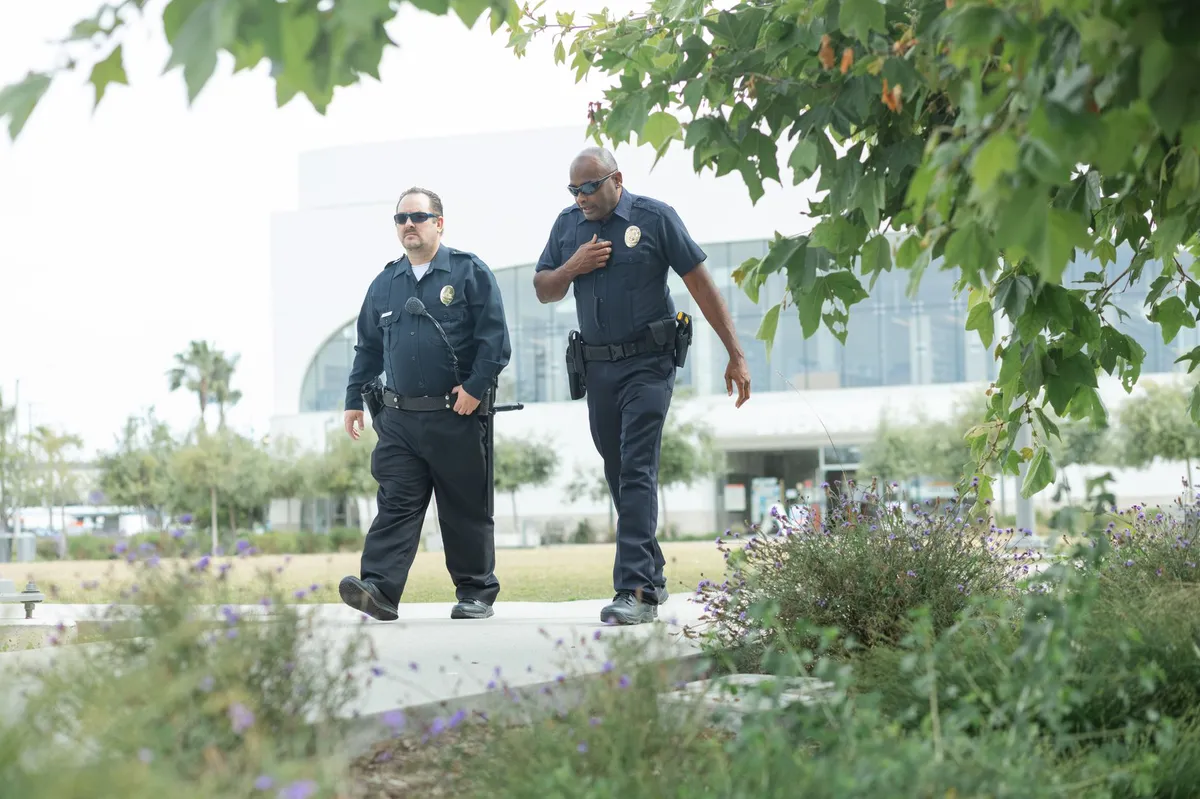
In a significant ruling that has reignited discussions about police accountability and civil rights, a federal jury awarded $6.6 million to Slade Douglas, a veteran who alleges he was subjected to abusive treatment by Los Angeles Police Department (LAPD) officers. The case highlights a troubling narrative surrounding law enforcement's approach to mental health crises and raises critical questions about the culture within the LAPD and its impact on community safety.
The incident that led to this verdict unfolded on August 27, 2019, when Douglas, a middle-aged Black man, contacted the Department of Veterans Affairs (VA) crisis hotline. Frustrated by the operator's interruptions, he warned her that he would hang up. Instead of providing support, the operator called the LAPD to conduct a welfare check, setting off a chain of events that would culminate in a contentious legal battle and a significant financial judgment against the city.
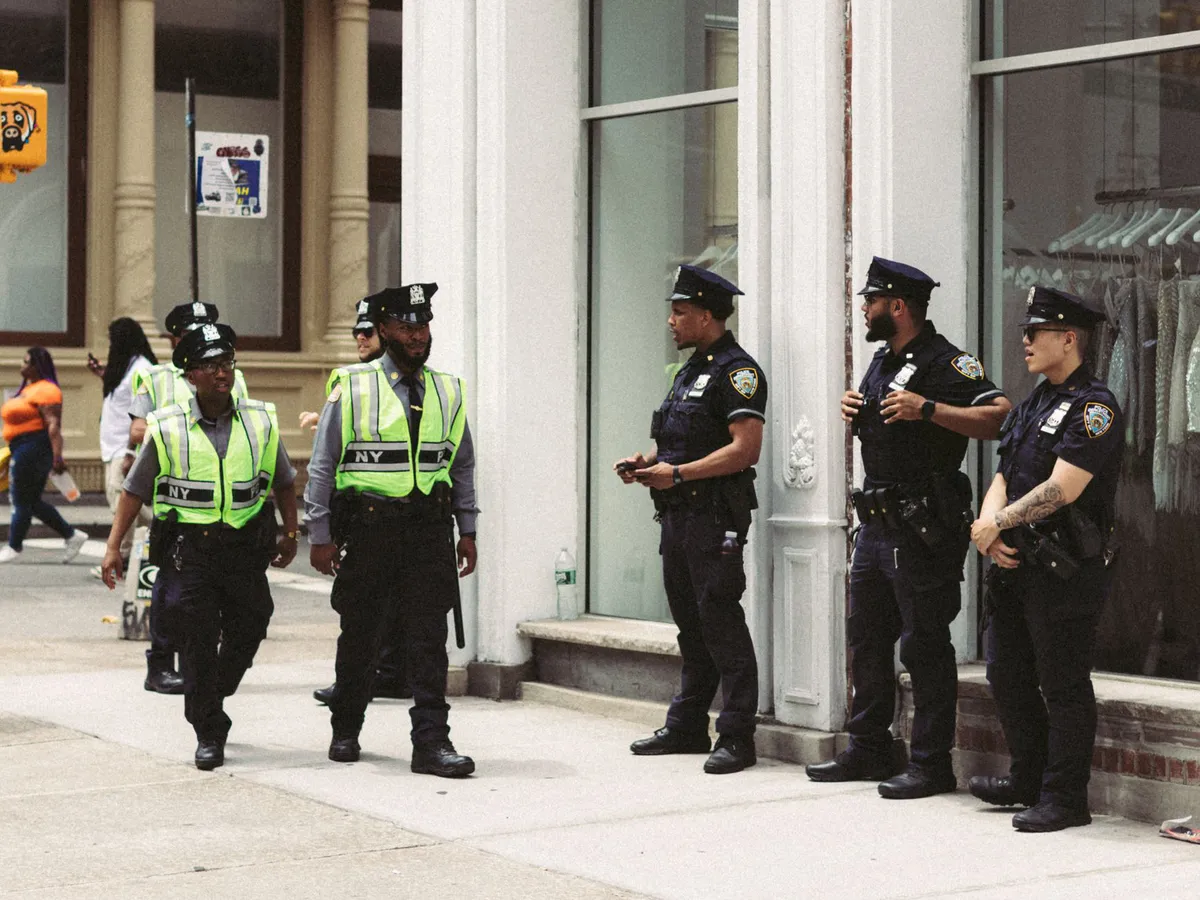
The Incident: A Welfare Check Gone Wrong
Upon the arrival of officers Jeffrey Yabana and Jeremy Wheeler at Douglas's home, the situation quickly escalated. Despite Douglas's assurances that he was not a danger to himself or others, he claims the officers dismissed his statements and instead engaged in condescending behavior. When Douglas requested the officers to leave his home, they refused, leading to a confrontation that would exacerbate his distress.
In a moment of desperation, Douglas called 911 to report the officers' conduct. This action, however, resulted in further escalation. Instead of responding to his concerns, Yabana and Wheeler detained Douglas, subjected him to mockery, and searched his home without consent. The culmination of this experience saw Douglas forcibly restrained and transported to a hospital, where he was injected with sedatives and underwent bodily sample extractions against his will.

The Legal Battle: Claims of Negligence and Abuse
Douglas's lawsuit against the city of Los Angeles and the officers revolved around claims of civil rights violations, including negligent supervision. U.S. District Judge Maame Ewusi-Mensah Frimpong recently upheld the jury's $6.6 million damages award, dismissing the city’s arguments for a retrial or a reduction in damages. The judge found substantial evidence supporting Douglas's claims of negligence and ruled that the jury's verdict was consistent with the facts presented during the trial.
Of particular note was the revelation that Officer Wheeler had undisclosed substance abuse issues, which had been known to the city prior to the incident involving Douglas. This aspect of the case highlighted systemic failures within the LAPD to manage officer conduct and ensure public safety.

Implications of the Verdict: A Call for Accountability
The jury's verdict and the judge's ruling serve as a powerful statement regarding the LAPD's accountability, especially when it comes to the treatment of vulnerable individuals. Attorney Paul Hoffman, who represented Douglas, emphasized the city's failure to prioritize public safety over protecting officers with known issues. Such narratives have resonated deeply within communities that have long faced challenges in their interactions with law enforcement.
The implications of this case extend beyond just monetary damages. It raises critical questions about the protocols followed by police during welfare checks, particularly regarding individuals experiencing mental health crises. As veterans like Douglas navigate complex interactions with law enforcement, this case underscores the need for comprehensive reforms in police training and departmental policies.
The Broader Context: Mental Health and Law Enforcement
Historically, the intersection of mental health and law enforcement has been fraught with challenges. Many individuals experiencing mental health crises are often met with punitive responses rather than compassionate care. The Douglas case exemplifies this troubling trend, where a veteran seeking help instead found himself the target of police intervention, leading to traumatic experiences and lasting consequences.
Experts argue that police departments need to adopt new strategies that prioritize mental health support, including specialized training for officers on how to handle crisis situations effectively. Programs that incorporate mental health professionals into law enforcement responses have shown promise in reducing tensions and improving outcomes for individuals in distress.
- Increased Training: Police officers should receive extensive training on mental health issues, including de-escalation techniques and crisis intervention strategies.
- Community Programs: Implementing community-based mental health programs that work in tandem with law enforcement can provide necessary support to individuals in crisis.
- Policy Reforms: Cities should reevaluate their policies regarding welfare checks and the use of force to ensure that officers prioritize the well-being of individuals.
- Accountability Measures: Establishing clear accountability mechanisms for officers involved in incidents of misconduct can foster public trust and improve community relations.
Key Takeaways
- The LAPD was found liable for civil rights violations leading to a $6.6 million verdict.
- The case highlights systemic issues within law enforcement regarding mental health interventions.
- The ruling emphasizes the importance of accountability and transparency in police practices.
- Reforms in police training and crisis intervention strategies are urgently needed.
Frequently Asked Questions
What led to the police intervention in Slade Douglas's case?
The police intervention was initiated after Douglas contacted the VA crisis hotline for assistance. His frustration with the operator's interruptions prompted him to hang up, leading her to call the LAPD for a welfare check, which escalated into a distressing encounter with officers.
What were the main claims in Douglas's lawsuit against the LAPD?
Douglas's lawsuit included claims of civil rights violations, negligent supervision, and excessive force. He alleged that the officers' actions during the welfare check were abusive and unjustified, resulting in both physical and emotional harm.
How does this case reflect broader issues within law enforcement?
This case underscores the systemic failures in police departments when handling mental health crises. It highlights the necessity for training and policies that prioritize mental health support, as well as the importance of accountability for officer conduct to prevent similar incidents in the future.
What steps can be taken to improve police responses to mental health crises?
Improving police responses to mental health crises can involve several strategies, including specialized training for officers, implementing community mental health programs, and establishing clear accountability measures for misconduct. Such reforms can help ensure that individuals in crisis receive the support and care they need rather than punitive responses.
This article is for informational purposes only and does not constitute legal advice.
Comments
Mastering Personal Injury Law: Insights from a Former Prosecutor
Explore how a former prosecutor approaches personal injury cases, emphasizing the importance of thorough preparation and understanding the unique challenges of civil litigation. This detailed analysis reveals strategies for maximizing case outcomes.

Related articles





Popular in Personal Injury
- Hawaii Supreme Court Overturns 36-Year-Old Rape Conviction Due to Forensic Flaws
- The Impact of Pro Bono Work by BigLaw Firms in 2025
- Albertsons Faces Trial Over Role in Washington's Opioid Crisis
- The Hidden Dangers of Open Manholes in New York City
- Historic $81 Million Verdict in Utah Pedestrian Wrongful Death Case