Texas Court Denies Extradition Request for ICE Agent Amid Controversy
A Texas federal judge recently rejected Minnesota's request to extradite an ICE agent charged with shooting a Venezuelan man. This ruling raises important questions about extradition processes and inter-state legal cooperation.
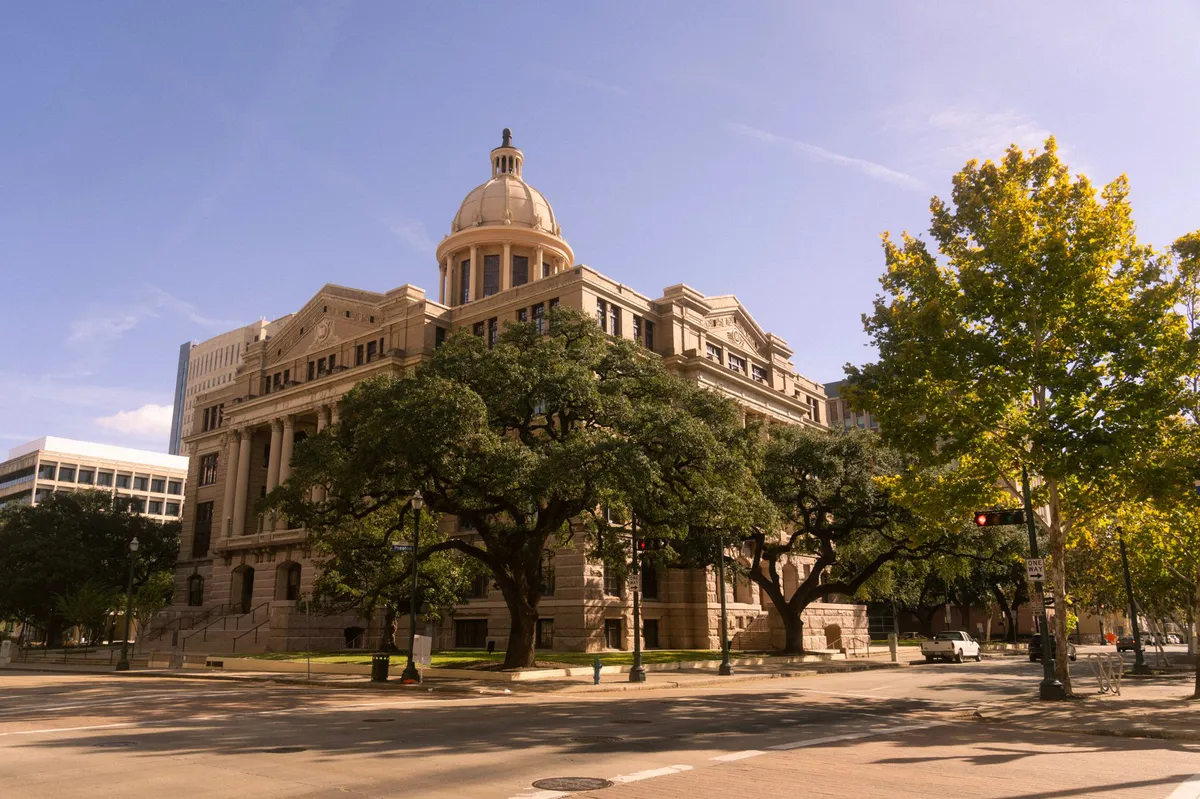
In a significant legal development, a Texas federal judge has denied a request from the state of Minnesota to extradite an ICE agent, Christian Castro, who faces criminal charges stemming from a controversial shooting incident in Minneapolis. This ruling not only highlights the complexities surrounding extradition requests but also raises broader concerns regarding the interplay of state and federal law, the responsibilities of state governors, and the implications for public safety and accountability.
U.S. District Judge Fernando Rodriguez Jr. ruled that he did not have jurisdiction to order Texas Governor Greg Abbott to approve the extradition of Castro. The ruling comes amid accusations from Minnesota officials that Abbott has been unconstitutionally delaying the extradition process. In their view, this inaction violates both the U.S. Constitution's extradition clause and Texas law, which mandates timely responses to such requests. The case underscores a critical tension between state sovereignty and the need for inter-state cooperation in law enforcement.
The Background of the Case
The incident at the heart of this legal dispute occurred in January 2026, when Castro allegedly fired his service weapon through the front door of a home in north Minneapolis during an immigration operation, injuring Venezuelan immigrant Julio Cesar Sosa-Celis. Following the shooting, Castro reportedly claimed that Sosa-Celis and another individual had attacked an ICE officer, assertions that were later contradicted by surveillance footage. This evidence led the federal prosecutors to drop charges against the two men involved in the altercation.
In May 2026, Minnesota prosecutors charged Castro with multiple counts of second-degree assault and one count of falsely reporting a crime. He was subsequently arrested in Harlingen, Texas, leading to the formal extradition request from Minnesota Governor Tim Walz to Governor Abbott.

Legal Framework for Extradition
The U.S. Constitution, specifically Article IV, Section 2, mandates that a person charged with a crime in one state who flees to another state must be returned to the state with jurisdiction over the crime upon the request of the state's governor. This legal framework is further supported by the federal Extradition Act and state-specific laws, such as Texas' Uniform Criminal Extradition Act.
In this case, Minnesota's legal team argued that Abbott's delay—exceeding three months—constituted a violation of these laws. However, Judge Rodriguez ruled that there is no specific timeline mandated for the governor's decision-making process regarding extradition. He emphasized that without direct evidence of intentional delay on Abbott's part, the court could not intervene.
The Extradition Process
The extradition process typically involves several steps:
- Request Submission: The state seeking extradition submits a formal request to the governor of the state where the suspect is located.
- Governor's Review: The receiving governor reviews the request, considering legal and factual elements of the case.
- Decision: The governor can approve or deny the request, potentially seeking further investigation.
- Judicial Oversight: If approved, the case may proceed to court for judicial review and enforcement of the extradition.
This process is intended to ensure that rights are upheld, but it can also lead to significant delays, as seen in this case.

The Political Implications
The decision has ignited a political firestorm, particularly regarding Governor Abbott's actions and motivations. In a letter to the Texas Secretary of State, Abbott expressed “serious doubts” about whether the prerequisites for extradition had been met, citing concerns that Castro was compelled to return to Texas on federal orders, which could potentially exempt him from being classified as a fugitive from justice.
Critics of Abbott, including Minnesota Attorney General Keith Ellison, have condemned this interpretation as a dangerous precedent that could allow governors to selectively enforce extradition based on political considerations. Ellison stated, “If a governor can delay extraditions and cherry-pick cases according to their political tastes, then no state will be able to hold fugitive criminals accountable.” This sentiment reflects broader anxieties about state autonomy versus the necessity of cooperation in law enforcement across state lines.
Public Safety Concerns and Accountability
The ramifications of this ruling extend beyond legal technicalities; they touch on vital issues of public safety and accountability in the enforcement of immigration laws. Minnesota officials have raised concerns that Castro could flee to Mexico once released from custody, especially since he is set to be released due to Texas' statutory limits on pre-extradition detention.
Judge Rodriguez ruled against Minnesota's request for a temporary restraining order aimed at keeping Castro detained, emphasizing that the sheriff had acted within the statutory boundaries of Texas law. This decision raises pressing questions about how states manage potentially dangerous individuals who are involved in contentious legal and political circumstances.
Key Takeaways
- A Texas federal judge denied Minnesota's extradition request for ICE agent Christian Castro, citing jurisdictional limits.
- The ruling highlights tensions between state sovereignty and the need for inter-state cooperation.
- Political implications abound, as accusations arise regarding selective extradition based on political motivations.
- Public safety concerns are heightened with fears that Castro could flee after his release.
Frequently Asked Questions
What are the implications of the ruling for extradition law?
The ruling emphasizes the importance of jurisdictional issues and state discretion concerning extradition. It indicates that while the U.S. Constitution mandates cooperation between states, governors have wide latitude in reviewing extradition requests, which can lead to significant delays and selective enforcement based on political motivations.
How does the extradition process work in the U.S.?
The extradition process typically involves a formal request from one state's governor to another, followed by a review of the legal basis for extradition. The receiving governor is not bound by a strict timeline to respond, which can lead to delays, as seen in this case. Judicial oversight can occur if there are disputes about the extradition decision.
What are the broader implications for public safety?
The case raises critical questions about how states handle individuals accused of serious crimes, particularly those with potential ties to immigration enforcement. Delays in extradition can pose risks to public safety, especially if individuals are perceived to be a flight risk or if their release could lead to further criminal behavior.
What should states consider when handling extradition requests?
States should balance the legal obligations of the extradition process with considerations of public safety and accountability. Clear communication and cooperation between states are essential to ensure that individuals facing serious charges are held accountable while respecting the legal rights and processes established under U.S. law.
Disclaimer: This content is general information and not legal advice.
Comments
Tupac Shakur Murder Trial: Key Developments and Implications
The trial of Duane 'Keffe D' Davis for the murder of Tupac Shakur has reached a pivotal moment, with prosecutors resting their case. This article delves into the trial's proceedings, the implications for justice, and the legacy of Tupac Shakur in American culture.

Related articles


Popular in Personal Injury
- Hawaii Supreme Court Overturns 36-Year-Old Rape Conviction Due to Forensic Flaws
- The Impact of Pro Bono Work by BigLaw Firms in 2025
- Albertsons Faces Trial Over Role in Washington's Opioid Crisis
- The Hidden Dangers of Open Manholes in New York City
- Historic $81 Million Verdict in Utah Pedestrian Wrongful Death Case