Kratom Derivatives Banned: What It Means for Industry and Users
The federal government has banned three potent kratom derivatives, raising concerns about safety and regulation in the kratom industry. This article delves into the implications of this ban and the ongoing debate within the industry.

The recent decision by the federal government to ban three potent derivatives of kratom has sent shockwaves through the industry, igniting both concern and celebration among its stakeholders. While the Justice Department announced the prohibition of mitragynine pseudoindoxyl (MGPI), MGM-15, and MGM-16, it simultaneously indicated that it would exercise enforcement discretion regarding certain products. This dual approach has left many in the kratom community both relieved and apprehensive about the future of their industry.
Kratom, a tree native to Southeast Asia, has gained a significant following in the United States, with advocates touting its potential for pain relief and as a means to alleviate opioid withdrawal symptoms. However, the plant's psychoactive properties and potential for addiction have sparked serious health concerns and numerous wrongful death lawsuits. As the world of kratom continues to evolve, the recent federal actions raise critical questions about safety, regulation, and the ongoing divide within the industry.
Understanding Kratom and Its Derivatives
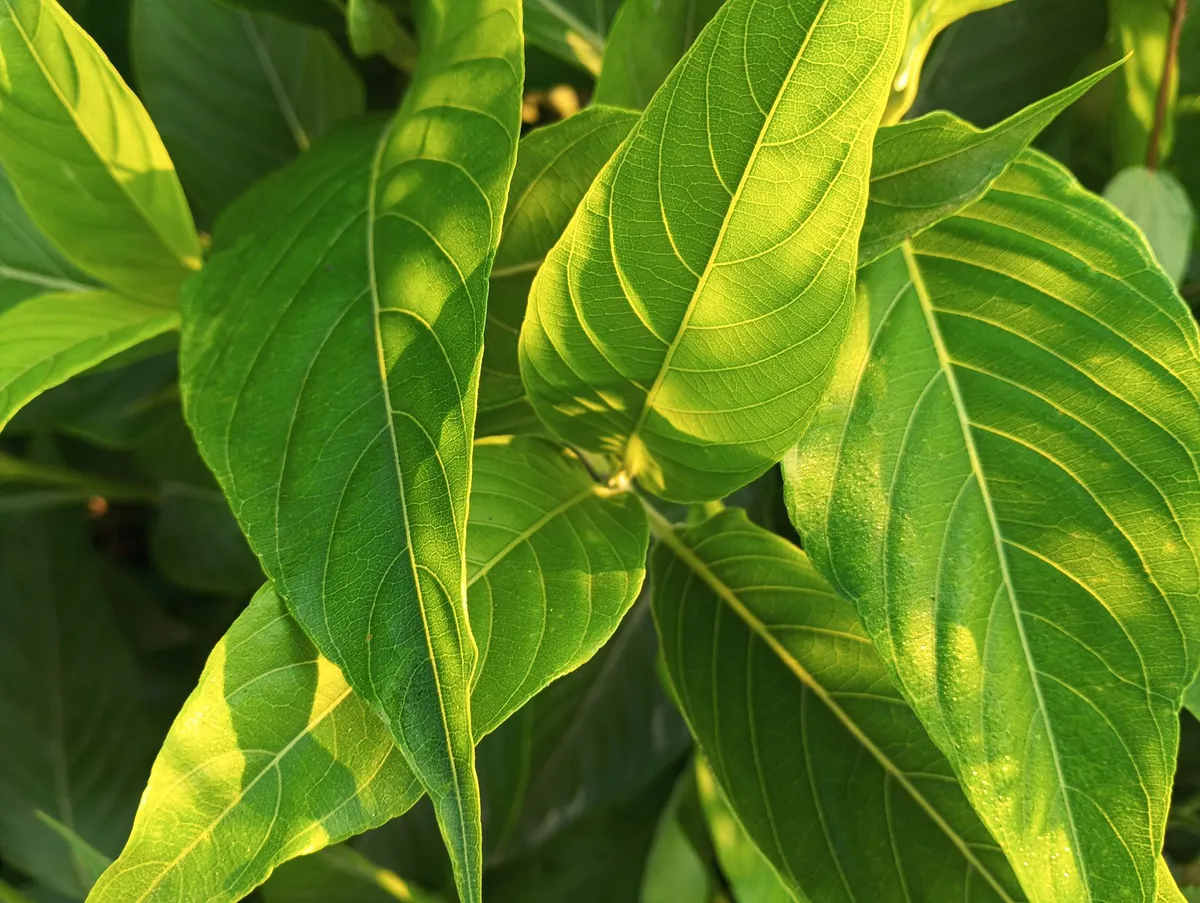
Kratom (Mitragyna speciosa) is a tropical evergreen tree belonging to the coffee family. Its leaves contain various alkaloids, including mitragynine and 7-hydroxymitragynine (7-OH). These compounds interact with opioid receptors in the brain, producing effects that can resemble both stimulants and sedatives, depending on the dosage.
The Banned Derivatives
The recent federal ban specifically targets three derivatives:
- Mitragynine pseudoindoxyl (MGPI): A synthetic derivative reportedly 20 times stronger than morphine.
- MGM-15: Another potent derivative with unclear long-term effects on users.
- MGM-16: Similar to MGM-15, its effects and safety profile remain under investigation.
Despite the ban, Attorney General Todd Blanche emphasized that the action was aimed at concentrated and deliberately manufactured opioid products, not traditional kratom in its natural form. This distinction suggests a nuanced approach to regulation, but it raises questions about how to define and enforce what constitutes “natural” kratom.
The Industry's Response to Federal Actions
The kratom industry is characterized by a divide between traditional advocates and those pushing for more refined products. The American Kratom Association (AKA) has championed the cause for “pure leaf” kratom, arguing that traditional forms should not be penalized due to the presence of synthetic derivatives. Mac Haddow, a spokesman for the AKA, welcomed the Justice Department's announcement, asserting that natural kratom should be protected from the fallout of dangerous chemical products.
The Split in the Kratom Community
This division has led to the formation of groups like the 7-HOPE Alliance, which advocates for the legality of 7-OH and urges followers to lobby the FDA against scheduling this compound. Their recent online campaigns have garnered thousands of comments, showing the fervor among supporters to protect their interests.
However, a recent wrongful death lawsuit in Texas has raised serious concerns about the safety of kratom products on the market. Talis Abolins, a lawyer involved in the litigation, highlighted the presence of MGPI in kratom products connected to a death case, suggesting that the distinction between “natural” and “synthetic” kratom may be misleading.

Legal and Health Implications
The legal landscape surrounding kratom is complex and fraught with challenges, particularly as the FDA continues to grapple with how to regulate it. While kratom remains legal for sale and use in most states, the federal government's recent actions could prompt stricter regulations and oversight in the future.
Understanding Liability and Wrongful Death Claims
The presence of potent derivatives like MGPI in kratom products has significant implications for liability and wrongful death claims. If kratom products are found to contain high levels of harmful substances, manufacturers could face serious legal repercussions. This might lead to increased scrutiny of the industry and prompt regulatory bodies to impose stricter guidelines.
As the debate continues, those involved in the kratom community need to be aware of the potential legal ramifications of their products. The distinction between natural and synthetic derivatives may not be as clear-cut as previously thought, leading to potential liability issues for producers of kratom products.
What Consumers Should Know
For consumers, the recent federal ban on kratom derivatives serves as a crucial reminder of the importance of understanding what they are consuming. As the landscape of kratom products evolves, users should take the time to research the products they are considering and ensure they are aware of any potential risks.
Safety Tips for Kratom Users
- Research products thoroughly: Look for third-party lab testing results to verify purity and safety.
- Be cautious of claims: Be wary of products that claim to have miraculous benefits or that are marketed without transparency.
- Stay informed: Follow regulatory developments and legal changes related to kratom to ensure you are aware of the latest information.
As the kratom industry continues to navigate these challenges, consumers must remain vigilant in their choices and be mindful of the potential risks associated with kratom products.

Key Takeaways
- The federal government has banned three potent kratom derivatives but will not enforce this ban on natural kratom products.
- The kratom industry is divided between traditional advocates and those pushing for stronger, refined products.
- Legal implications for manufacturers could increase as more research highlights the risks associated with certain kratom derivatives.
- Consumers should conduct thorough research on kratom products to ensure safety and avoid potential health risks.
Frequently Asked Questions
What is kratom and why is it controversial?
Kratom is a tree native to Southeast Asia, with leaves that contain psychoactive compounds. It has gained popularity in the U.S. for its potential benefits in pain relief and opioid withdrawal. However, its potential for addiction and adverse health effects has led to controversy and numerous legal challenges, prompting regulatory scrutiny.
What are the recent federal actions regarding kratom derivatives?
The federal government has temporarily banned three kratom derivatives, MGPI, MGM-15, and MGM-16, due to concerns over their potency and potential dangers. However, it has indicated that enforcement will focus on deliberately manufactured products rather than natural kratom. This approach aims to protect consumers while addressing safety concerns.
How can consumers protect themselves when using kratom products?
Consumers should prioritize safety by researching products thoroughly, seeking third-party lab testing, and staying informed about regulatory developments. Being aware of potential risks and the legal landscape surrounding kratom can help users make informed decisions and minimize potential health risks.
What are the implications of the industry divide for consumers?
The divide between traditional kratom advocates and those promoting refined products could impact the safety and legality of kratom in the future. As the industry faces increased scrutiny, consumers may need to be cautious about the products they choose to ensure they are safe and effective.
This article is intended for informational purposes only and does not constitute legal advice.
Comments
Tupac Shakur Murder Trial: Key Developments and Implications
The trial of Duane 'Keffe D' Davis for the murder of Tupac Shakur has reached a pivotal moment, with prosecutors resting their case. This article delves into the trial's proceedings, the implications for justice, and the legacy of Tupac Shakur in American culture.

Related articles


Popular in Personal Injury
- Hawaii Supreme Court Overturns 36-Year-Old Rape Conviction Due to Forensic Flaws
- The Impact of Pro Bono Work by BigLaw Firms in 2025
- Albertsons Faces Trial Over Role in Washington's Opioid Crisis
- The Hidden Dangers of Open Manholes in New York City
- Historic $81 Million Verdict in Utah Pedestrian Wrongful Death Case