Alfalfa Sprouts Contamination: A Growing Health Crisis Across 15 States
An alarming outbreak linked to contaminated alfalfa sprouts has sickened over 55 individuals across 15 states, with health officials racing to contain the situation. This article explores the implications of this outbreak, the responsible parties, and the necessary steps for affected consumers.
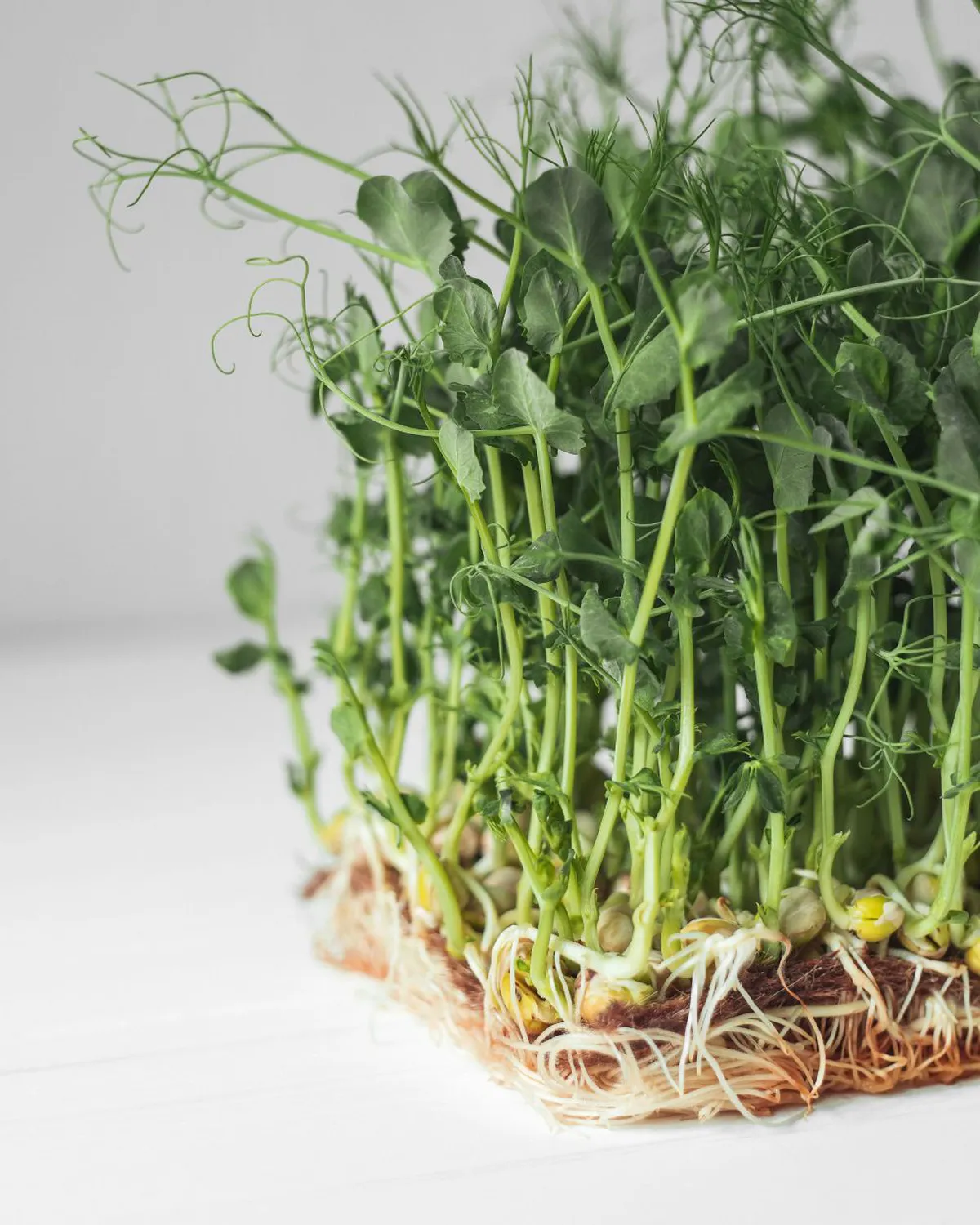
The recent outbreak of foodborne illness linked to contaminated alfalfa sprouts has raised significant concerns across the United States. Since the first reports emerged, health officials have confirmed that at least 55 individuals across 15 states have fallen ill due to the consumption of these sprouts. With four hospitalizations reported, the situation is a stark reminder of the potential dangers lurking in seemingly innocuous foods. Health authorities are currently investigating the source of the contamination, which appears to involve multiple pathogens, including salmonella and Shiga toxin-producing E. coli (STEC), complicating an already serious public health issue.
As health officials scramble to identify the precise source and mitigate further risks, consumers are left to wonder about the safety of their food choices. Alfalfa sprouts, often consumed raw in salads and sandwiches, pose unique challenges due to their cultivation and consumption practices. This article delves into the outbreak, the health implications of the pathogens involved, and the legal considerations for those affected.

The Nature of the Outbreak: Multistate Impact
The outbreak has predominantly affected residents in Minnesota and Wisconsin, where over three dozen cases have been reported. The other states involved include Florida, Indiana, Iowa, Kansas, Michigan, New Hampshire, New York, Pennsylvania, North Carolina, South Carolina, North Dakota, South Dakota, and Washington. This broad geographic spread underscores the challenge of tracing the origin of contaminated food products in a complex supply chain.
Pathogens at Play
Two specific pathogens have been identified in connection with this outbreak: salmonella and STEC. Salmonella infections can lead to symptoms such as diarrhea, fever, vomiting, and abdominal cramps, which can range from mild to severe. Vulnerable populations—including children, the elderly, and those with weakened immune systems—are particularly at risk for severe complications, such as dehydration and hospitalization.
On the other hand, STEC can cause severe gastrointestinal distress, often marked by bloody diarrhea and intense stomach cramps. A serious complication of STEC infection is hemolytic uremic syndrome (HUS), which can result in kidney failure and is especially dangerous for young children and older adults. The combination of these two pathogens in the alfalfa sprouts makes this outbreak particularly concerning, as the health risks are multifaceted and can affect a wide range of individuals in different ways.

Link to Everything Sprouts: A Potential Source
Investigations by the U.S. Food and Drug Administration (FDA) have zeroed in on Everything Sprouts, a Minnesota-based company that produces alfalfa sprouts sold under the Calco and Everything Sprouts labels. The FDA's inquiry follows reports that 26 out of 34 interviewed individuals indicated they had consumed alfalfa sprouts prior to becoming ill. However, at this point, the FDA has not mandated a recall of the sprouts, although the potential for widespread contamination remains a pressing concern.
Inspection Findings and Health Risks
Compounding the issue, the FDA had previously issued warnings regarding unsanitary conditions at Everything Sprouts. An inspection in 2024 revealed serious concerns, including a leaking roof that allowed water to drip onto bean sprouts and workers' clothing. While these findings do not definitively link the current outbreak to these conditions, they certainly add a layer of scrutiny to the company's practices. The fact that alfalfa sprouts are typically consumed raw or lightly cooked makes them particularly susceptible to harboring harmful pathogens, which is a significant factor in the current outbreak.

Legal Ramifications: What Affected Consumers Should Know
The legal landscape surrounding foodborne illness outbreaks can be complex. Consumers who have fallen ill due to contaminated food products may have grounds for legal action against the responsible parties. These cases often hinge on proving that the food was contaminated and that the contamination directly caused their illness.
Steps for Affected Consumers
- Document Your Illness: Keep a record of your symptoms, treatment, and any medical visits related to the illness.
- Identify the Source: If you suspect that your illness is linked to alfalfa sprouts, try to recall where you purchased the product and whether you consumed it.
- Report Your Illness: Contact local health authorities to report your illness, as this can aid in ongoing investigations.
- Consult a Legal Professional: If you believe you have a case, consider speaking with an attorney who specializes in foodborne illness lawsuits.
Legal claims can involve complex issues of liability, particularly when multiple parties are involved in the production, distribution, and sale of the contaminated product. Factors such as negligence, failure to adhere to health standards, and product liability may all come into play.

The Role of Health Authorities
The Centers for Disease Control and Prevention (CDC) and the FDA are actively involved in monitoring the situation. Their ongoing investigations aim to gather more information about the outbreak, track additional cases, and implement necessary measures to protect public health. Consumers are encouraged to stay informed through official channels as the situation develops.
Preventative Measures
In light of the current outbreak, consumers should exercise caution when consuming raw sprouts. Washing vegetables thoroughly and cooking them when possible can significantly reduce the risk of foodborne illness. It is also advisable to stay updated on recalls and advisories from health authorities, especially when it comes to fresh produce.
Key Takeaways
- Over 55 people across 15 states have been reported ill due to contaminated alfalfa sprouts.
- Salmonella and STEC are the pathogens involved, leading to serious health risks.
- Everything Sprouts is under investigation, but no recall has been issued yet.
- Consumers should document their symptoms and consider legal action if affected.
Frequently Asked Questions
What should I do if I suspect I have contracted an illness from alfalfa sprouts?
If you believe you have become ill from consuming contaminated alfalfa sprouts, it is crucial to seek medical attention, especially if your symptoms are severe. Document your symptoms and any healthcare visits, as this information can be vital for public health investigations and potential legal claims. Additionally, report your illness to local health authorities to help with tracking the outbreak.
How can I protect myself from foodborne illnesses in the future?
To reduce your risk of foodborne illnesses, always wash produce thoroughly under running water, even if you plan to peel or cook it. Consider cooking sprouts and similar items to eliminate harmful bacteria. Stay informed about recalls and food safety advisories, and pay attention to news regarding foodborne illness outbreaks.
What legal options do I have if I am affected by this outbreak?
Affected consumers may have several legal options, including filing a personal injury lawsuit against the producer or distributor of the contaminated food. Consulting with an attorney experienced in foodborne illness cases can help you understand your rights and the potential for compensation for medical expenses, lost wages, and pain and suffering.
Is there any ongoing investigation related to the alfalfa sprouts outbreak?
Yes, both the CDC and FDA are actively investigating the outbreak, gathering data from affected individuals, and working to determine the source of the contamination. Health authorities will continue to monitor the situation and update the public as more information becomes available.
This content is general information and not legal advice.
Comments
Walmart Recalls Tomato Bisque Soup Kits Due to Listeria Contamination Risk
Walmart's recent recall of tomato bisque soup kits highlights ongoing food safety concerns. Kettle Cuisine's recall affects thousands of consumers across 29 states due to potential listeria contamination, prompting vital safety measures and awareness.

Related articles





Popular in Personal Injury
- Hawaii Supreme Court Overturns 36-Year-Old Rape Conviction Due to Forensic Flaws
- The Impact of Pro Bono Work by BigLaw Firms in 2025
- Albertsons Faces Trial Over Role in Washington's Opioid Crisis
- The Hidden Dangers of Open Manholes in New York City
- Historic $81 Million Verdict in Utah Pedestrian Wrongful Death Case