BBC Fights Trump’s $10 Billion Defamation Suit: Jurisdiction and Free Speech at Stake
The BBC is challenging jurisdiction in Trump's massive defamation lawsuit, citing free speech protections and the implications for foreign media. This case raises significant questions about defamation law in the digital age.
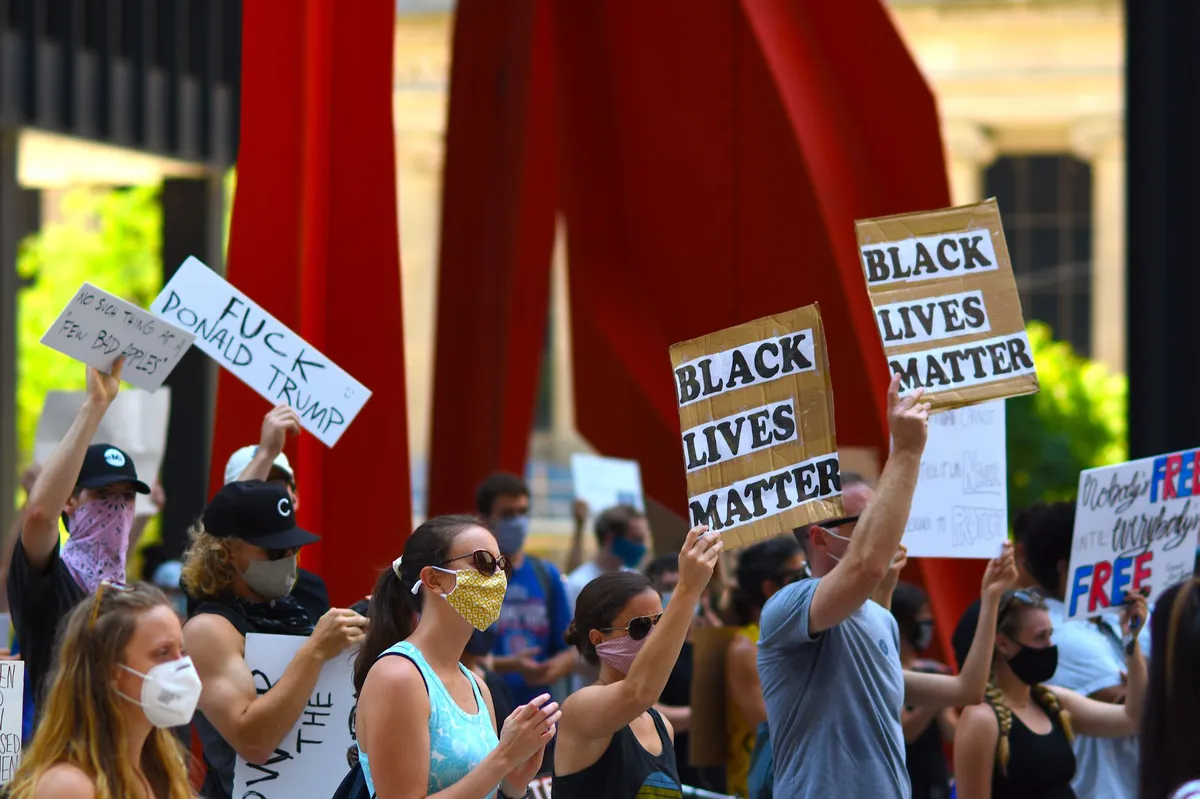
The ongoing legal battle between former President Donald Trump and the British Broadcasting Corporation (BBC) has escalated dramatically, with Trump seeking a staggering $10 billion in damages over allegations of defamation stemming from a documentary aired just before the 2024 presidential election. The BBC’s latest move, aimed at dismissing the lawsuit, raises important questions about jurisdiction, free speech, and the nature of media coverage in a politically charged environment. As the case unfolds, it highlights not only the complexities of U.S. defamation law but also the implications for international media companies operating in the digital age.
In its recent filing, the BBC argues that the federal court in Miami lacks the necessary jurisdiction to hear Trump’s claims. The crux of their defense is that the documentary, which critiques Trump’s actions related to the January 6 Capitol riot, was neither produced in Florida nor aired within the state’s borders. This jurisdictional challenge is pivotal as it underscores the legal principle that the court must have the authority to adjudicate matters involving parties that may not be directly connected to the state.
The Jurisdictional Argument
The BBC contends that Trump's lawsuit fails primarily because he has not demonstrated that any viewers in Florida were exposed to the documentary. In fact, they assert that they took significant measures to limit access to the film in the U.S. through unauthorized streaming channels. The media organization’s legal representatives argue that forcing them to defend the case in Florida would be an undue burden, especially considering that key witnesses, documents, and employees are based in the U.K.
Implications for International Media
This case not only concerns Trump and the BBC; it holds larger implications for foreign companies engaged in online media. Should the court rule in Trump’s favor, it could set a precedent that allows U.S. courts to claim jurisdiction over international entities based solely on their digital presence. Such a development would fundamentally alter the landscape of how foreign media operate in the U.S., raising concerns over free speech and the potential for extensive litigation.
Free Speech and Defamation Law
At the heart of the BBC's defense is a vigorous assertion of First Amendment rights. The BBC argues that the documentary includes protected expressions of opinion, particularly in its portrayal of contentious political events such as the Capitol riots. They assert that Trump’s claims of defamation are unfounded because he cannot prove that the documentary was published with actual malice — a crucial element in defamation suits involving public figures.
In defamation law, actual malice refers to the knowledge that a statement is false or a reckless disregard for the truth. The BBC maintains that the documentary's narrative falls under the umbrella of protected speech, particularly given its focus on events that have been widely debated and litigated. They state, “Even if the documentary is reasonably interpreted to report that plaintiff encouraged the crowd to violently storm the Capitol on January 6, that is an opinion on a matter of public concern, heavily protected under defamation law.”
Context of the Documentary
The documentary that sparked this lawsuit aired just a week before the election and featured edited portions of Trump’s speech before the January 6 riots. Trump has claimed that the film misrepresented his words, which he argues incited violence. He specifically points to phrases like, “we’re going to walk down to the Capitol” and “we fight like hell,” suggesting these statements were taken out of context to paint him in a negative light.
The BBC counters that their intention was to provide a comprehensive understanding of Trump’s rhetoric as interpreted by his supporters. They argue that the documentary aimed to explain the bases for his support among certain voters, which they believe is a valid journalistic pursuit. This highlights the delicate balance that media entities must maintain when covering politically sensitive topics, especially in an era where misinformation can spread rapidly.
Legal Maneuvering and Financial Disclosure
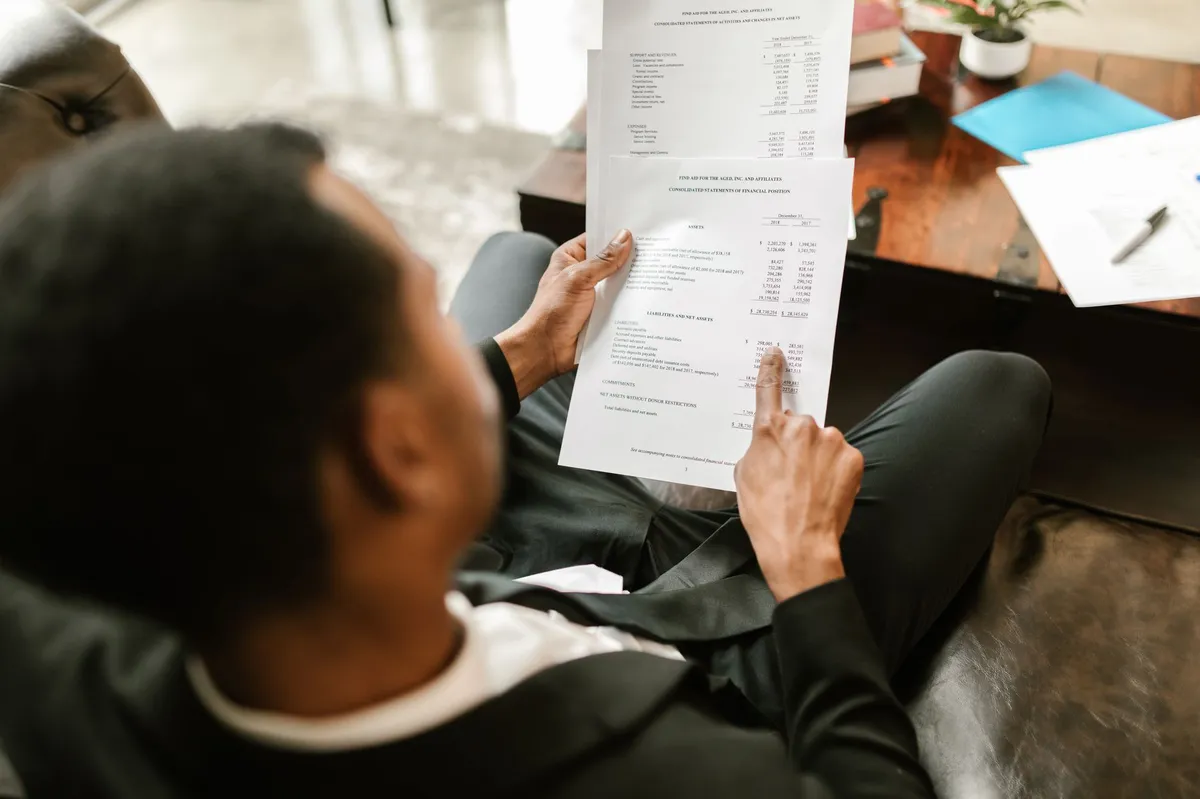
As the case progresses, Trump has been facing additional legal challenges, including a recent court order requiring him to disclose extensive financial information from the Donald J. Trump Revocable Trust. This trust reportedly contains at least 400 business entities, and the order seeks access to tax returns, property listings, and other assets. The request for financial disclosure is significant as it may reveal not only Trump's financial status but also potential motivations behind his lawsuit.
Public Reaction and Political Ramifications
The public and political response to the ongoing litigation has been polarized. Supporters of Trump view the lawsuit as a necessary step to combat what they perceive as a biased media landscape, while critics argue it represents a troubling trend of using litigation to silence dissenting voices. BBC Chairman Samir Shah even issued an apology soon after the documentary's release, acknowledging that including the controversial clip was an “error of judgment.” However, Trump’s decision to pursue a $10 billion lawsuit suggests that he is determined to hold media outlets accountable for their portrayals of him.
Key Takeaways
- The BBC is challenging jurisdiction in Trump’s defamation lawsuit, arguing it lacks ties to Florida.
- First Amendment protections are central to the BBC’s defense, emphasizing the importance of free speech in media coverage.
- Financial disclosure requirements are complicating Trump’s legal strategy as he navigates various legal battles.
- The case could set a precedent for how international media are treated in U.S. courts.
Frequently Asked Questions
What are the potential outcomes of the lawsuit?
The lawsuit could either be dismissed based on jurisdictional issues, or it could proceed to trial if the court finds sufficient grounds for Trump’s claims. If dismissed, it would reinforce the notion that foreign entities cannot easily be brought into U.S. courts based solely on online activity. Conversely, if the case proceeds, it might set a significant precedent for future defamation claims involving media coverage of political figures.
How does defamation law protect public figures like Trump?
Defamation law provides specific protections for public figures, requiring them to demonstrate actual malice in cases against media outlets. This means they must prove that the reporting was knowingly false or done with reckless disregard for the truth. This higher standard aims to safeguard freedom of speech and the press, allowing journalists to report on public figures without the constant fear of litigation.
What does this case mean for media companies?
This case is significant for media companies, particularly those based outside the U.S., as it raises questions about jurisdiction and accountability. A ruling in favor of Trump could lead to increased litigation against foreign media entities, potentially chilling journalistic freedom and stifling critical reporting on political figures. Media outlets will need to navigate these complexities carefully to avoid legal repercussions.
What role does public opinion play in this lawsuit?
Public opinion can significantly influence the dynamics of high-profile legal battles like this one. As the case unfolds, it will likely attract media attention and public scrutiny, which can impact the parties involved. For Trump, public support may bolster his claims of defamation, while for the BBC, public perception of their journalistic integrity can be crucial in defending against the lawsuit.
This content is general information and not legal advice.
Comments
Alfalfa Sprouts Contamination: A Growing Health Crisis Across 15 States
An alarming outbreak linked to contaminated alfalfa sprouts has sickened over 55 individuals across 15 states, with health officials racing to contain the situation. This article explores the implications of this outbreak, the responsible parties, and the necessary steps for affected consumers.

Related articles




Popular in Personal Injury
- Hawaii Supreme Court Overturns 36-Year-Old Rape Conviction Due to Forensic Flaws
- The Impact of Pro Bono Work by BigLaw Firms in 2025
- Albertsons Faces Trial Over Role in Washington's Opioid Crisis
- The Hidden Dangers of Open Manholes in New York City
- Historic $81 Million Verdict in Utah Pedestrian Wrongful Death Case